By using MoodChangeMedicine.com, you agree to accept this website’s terms of use, which can be viewed here.
April 21, 2024
By Joie Meissner ND, BCB-L
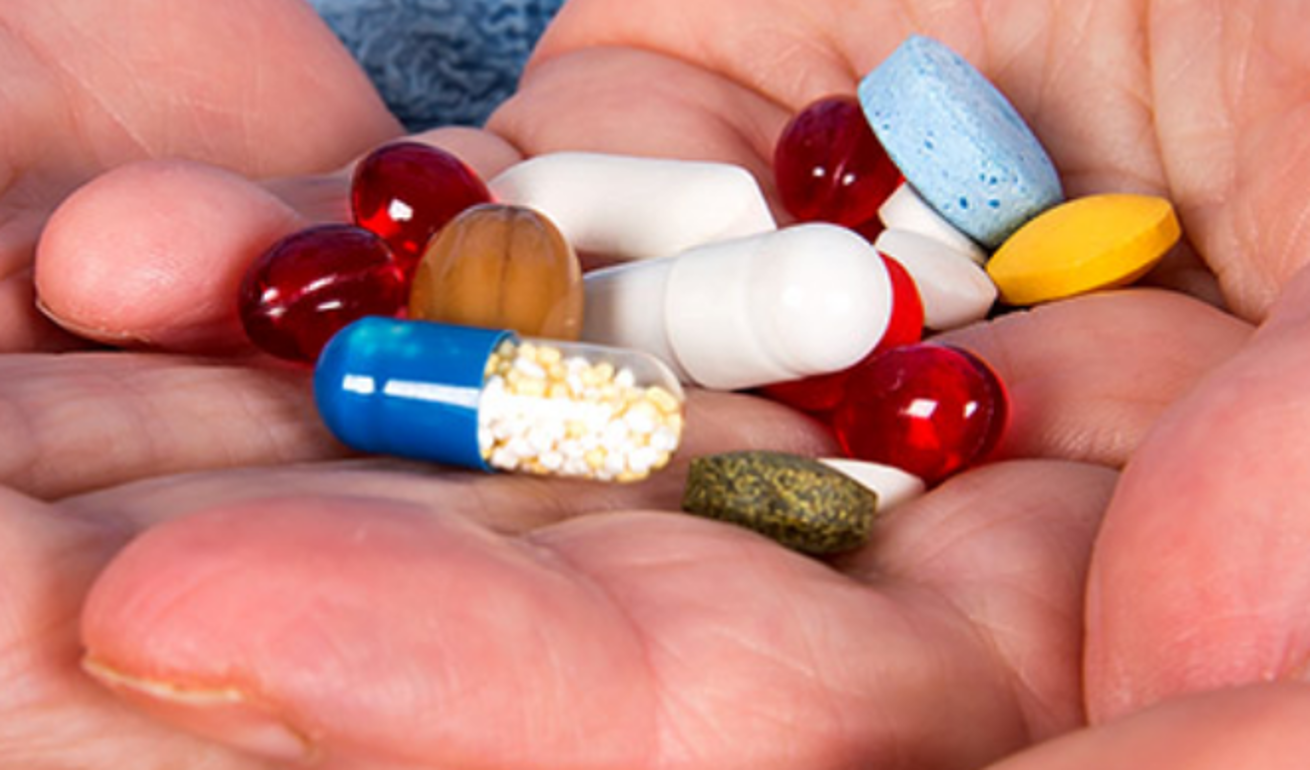
The use of sleeping pills such a prescription drugs like Ambien “is associated with an increased risk of mortality and shortened life expectancy,” according to a 2023 study. “Regular users should be aware of potential harms from sleeping pills,” concluded the researchers who followed 484,916 Taiwanese adults living in the community from 1994 to 2011.
“Sleep medications can be associated with serious adverse effects,” American College of Physicians former President, Wayne J. Riley, MD, MPH warned as early as 2016. 1
The possibility that prescription sleeping pills might shorten your life is not the only drawback of the drugs.
Many sedatives can lead to dependence when used long-term. Going cold turkey on sedative hypnotic meds could lead to distressing side-effects and can result in dangerous, even fatal seizures.
Common, over-the-counter medication we might think of as safe like Unisom SleepGels, Sominex, ZzzQuil and Benadryl (as of February 2024) contain an ingredient linked to increased risk of dementia. University of Washington researchers found that dementia risk increased with the dose of such meds. The UW researchers found a 54% greater risk of dementia among almost 3,500 Group Health patients who took a drug of this type for three years or more.
In 2020, the U.S. Food and Drug Administration warned that taking higher than recommended doses of diphenhydramine—the active ingredient in common with the aforementioned over-the-counter sleep-aid formulations—can lead to serious heart problems, seizures, coma, or even death.
With all the risks associated with pharmaceuticals, it’s no wonder there’s a market for natural sleep aids.
What’s the Difference?
In contrast to pharmaceutical insomnia medications, “sleep aids based on plant extracts are generally safe and well tolerated by the population,” researchers concluded in a 2020 peer-reviewed, systematic review of oral plant extracts for sleep disorders. But there are exceptions to that rule.
Just like drugs, some supplements can have benefit for insomnia, but can be risky. Some supplements may not carry much risk, but may not be that beneficial. And some carry a lot of risk for modest benefits. And then there’s everything in between.

A main difference between supplements and pharmaceutical drugs is that most of what we know about the vast majority of supplements comes from traditional use or research that was not reviewed by the U.S. Food and Drug Administration (FDA).
Once a dietary supplement is on the market, the FDA tracks side effects reported by consumers, supplement companies, and others. The FDA can take action against adulterated or misbranded dietary supplements only after the product is on the market.
Some dietary supplements have undergone very little study. While others have been studied quite a bit. In general, supplements tend not to be studied in certain populations and hence there is greater level of risk for certain people who may be considering taking supplements. These populations include pregnant or breastfeeding women, infants and children.
Combinations & Interactions
For people already taking medications or supplements, there’s risk in adding either another pharmaceutical drug or another supplement. They can interact with what you’ve already been taking. Such interactions can be more frequent in older people or those with decreased kidney or liver function.
All medications, supplements, and even some foods like grapefruit can interfere with the metabolism of other drugs and supplements being taken, which may lead to serious side effects or reduce the efficacy of critically important meds such as chemotherapy or organ transplant rejection drugs. Even routine maintenance drugs like birth control pills, anti-diabetic or blood pressure meds can be thrown off if combined with certain pharmaceuticals or supplements.
Always talk to your prescribing physician and/or pharmacist. Some supplements are much less likely to interact than others, such as valerian root. Some are notorious for their potential to interact with medications, such as St. John’s wort.

Some supplements work best when combined with other supplements. The safety of plant -based medicines—when combined with other botanicals or supplements like vitamins—must be judged separately based on the safety data of each individual component of the combination, its dose and a patient’s specific medical situation. It’s important to consult a physician or pharmacist with training in herbal medicine and nutrients to know if a specific supplement or a combination of supplements are safe for you.
Another aspect to consider is that unlike most drugs, many supplements require other nutritional cofactors and healthy gut flora in order to work properly. As we will see, the sleep aid tryptophan is a great example of a supplement that can be ineffective when the gut microbiota and dietary nutrients are inadequate.
Buyer Beware
Because supplements aren’t regulated, they don’t have to prove that what’s on the label is what’s in the bottle. And there are a number of manufacturers who have been caught selling supplements that contain none or too little of what is supposed to be in the bottle. Some have been found to contain harmful impurities.
But that doesn’t mean that all supplements are bogus. Some companies do third-party testing to ensure purity and potency. Reputable companies have strict quality-control standards, test raw materials, as well as batches of finished product for medicinal identity, purity, potency and consistency. They use standardization methods that allow one to know how much their products contain of the various constituents.
Some companies provide certificates of analysis (CoA) from third-party labs that test their products before they come to market. Some distributors even require CoAs. Thus, in a buyer-beware market, if you do your homework, you can obtain supplements from companies that offer high quality-control standards. Quality control comes at a price. That’s why buying a cheap supplement isn’t always a bargain.
In our pill-based culture, we often forget that treatments that don’t use tablets or capsules can be more effective than those that do. For example, Cognitive Behavioral Therapy for Insomnia (CBT-I) is far more effective for insomnia than any drug or supplement you can buy.
Foods & Supplements Commonly Taken for Insomnia:
- Melatonin
- Cannabis (Cannabinoids & CBD)
- Kava kava root (Piper methysticum)
- St. John’s wort (Hypericum perforatum)
- Valerian root (Valeriana officinalis)
- 5-HTP (5-hydroxytryptophan)
- Tryptophan (L-Tryptophan)
- Tart cherries (Prunus cerasus)
Information on this website is not a substitute for medical advice. Always consult a qualified healthcare provider for medical advice.
Links to Info on Specific Foods & Supplements Commonly Taken for Insomnia:
Melatonin:
Cannabis:
Tryptophan:
5-HTP (5-Hydroxytryptophan):
St. John’s Wort:
Valerian Root:
Kava:
Tart Cherries:
Care informed by the understanding that emotional and physical wellbeing are deeply connected
To learn more about how Mood Change Medicine helps people with insomnia, click links below:
Citation
- “ACP Recommends Cognitive Behavioral Therapy as Initial Treatment forChronic Insomnia.” ACP Newsroom. May 3, 2016. Accessed July 2024. ↩︎
By using MoodChangeMedicine.com, you agree to accept this website’s terms of use, which can be viewed here.

 Mood Change Medicine
Discussion
No comments yet.