By using MoodChangeMedicine.com, you agree to accept this website’s terms of use, which can be viewed here
May 16, 2024
By Joie Meissner ND, BCB-L
Theoretically melatonin might interact with the following medications:
- Anticoagulants/Blood thinners including Warfarin (coumadin) – might increase risk of bleeding
- Antiseizure drugs – might lower their effectiveness
- Antidepressants, Bupropion, bronchodilators, opioid and NSAID pain medications or other medications that lower seizure threshold – might increase risk of seizures.
- Blood pressure medication – might increase or decrease their blood pressure effects
- Caffeine – may increase or decrease natural endogenous levels of melatonin 1
- Sleeping pills and anti-anxiety medications might increase the sedative effects of sleep meds like Zolpidem (Ambien) and benzodiazepines like Xanax.
- Contraceptives – might increase the side-effects of melatonin
- Immunosuppressants and anti-organ rejection drugs – might interfere with drugs to suppress the immune system
- Methamphetamine – might exacerbate the side effects of these ADHD medications and weight loss drugs
- Nifedipine GITS – might reduce the effects of Procardia XL
This is not an exhaustive list of all medications that may interact with melatonin. Always consult a physician before taking any new supplement.
Links to more information on melatonin:

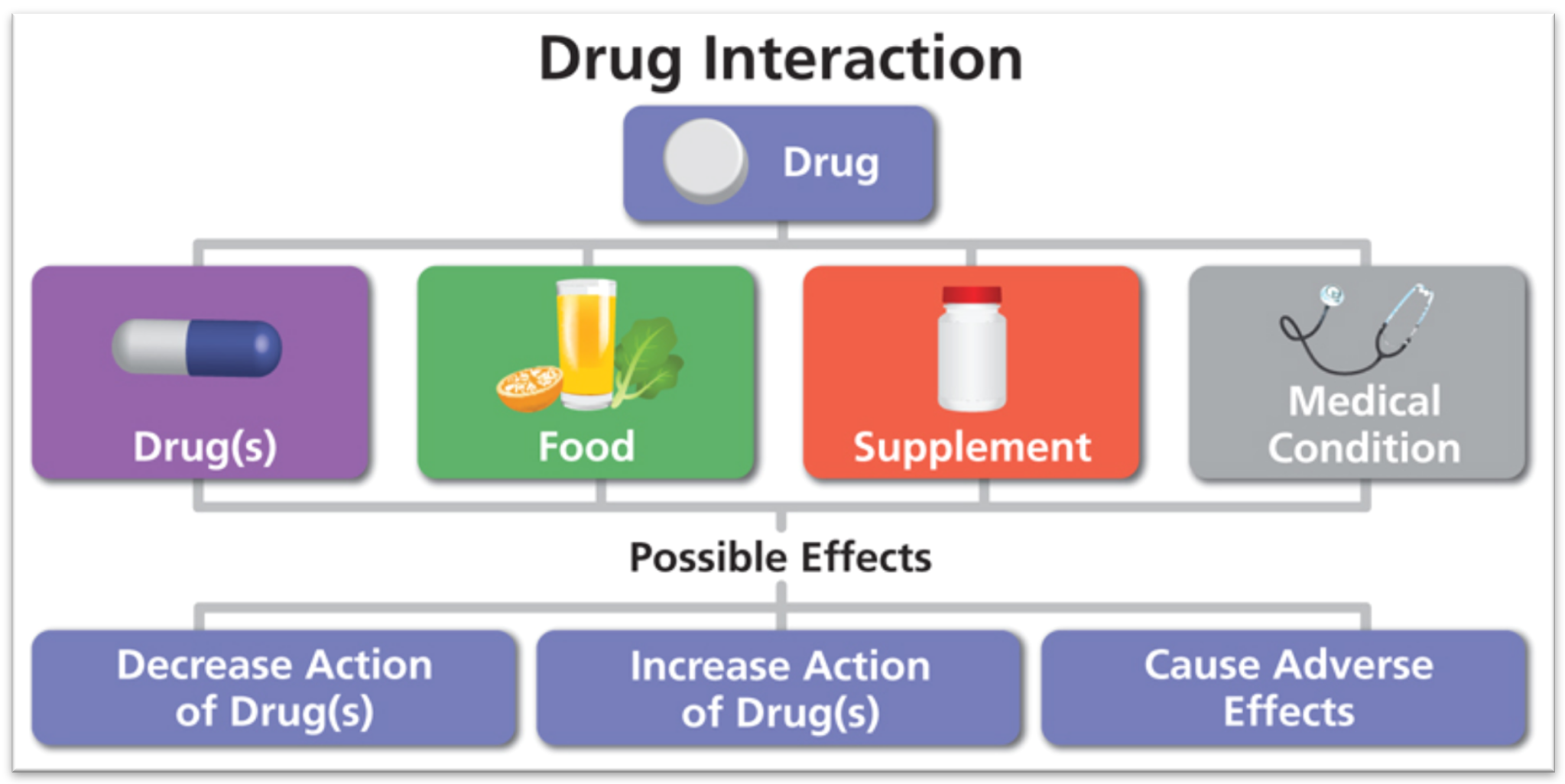
Melatonin can also interact with other supplements, foods, beverages and substances.
Theoretically, melatonin might increase the effect of blood thinning herbs and might theoretically increase the risk of bleeding in some people.
There are numerous supplements, beverages, spices and substances that might have blood thinning effects. Some examples of these are:
- Beer
- Bromelain (from pineapple)
- Caffeine
- Cannabis
- Cumin
- Eicosapentaenoic Acid (EPA) and Fish Oil
- Magnesium
- Turmeric
- Vitamin E
Theoretically, taking melatonin with herbs and supplements with blood sugar lowering capability might increase the risk of low blood sugar.
There are numerous supplements, beverages, spices and substances that might have blood sugar lowering effects. Some examples of these are:
- Ashwagandha
- Black Pepper
- Black Seed
- Blueberry
- Cabbage
- Cinnamon
- Dandelion
- Milk Thistle
- Rhodiola
- Turmeric
- Wheatgrass
Theoretically, taking melatonin with herbs and supplements with blood pressure lowering effects might increase the risk of low blood pressure in some individuals.
There are numerous supplements, beverages, spices and substances that might have blood pressure lowering effects. Some examples 2 of these are:
- Potassium
- Magnesium
- L‐arginine
- Vitamin C
- Cocoa flavonoids
- Beetroot juice
- Coenzyme Q10/Ubiquinol
- Aged garlic extract
Theoretically, patients taking supplements that also lower the seizure threshold might be at greater risk.
There are numerous supplements, beverages, spices and substances that might have seizure lowering effects. Some examples of these are:
- Black Tea
- Caffeine
- Cocoa
- Coffee
- Cola Nut
- Evening Primrose
- Folic Acid
- Glutamine
- Green Tea
- Kombucha
- L-Carnitine
- Yerba Mate
The above are just examples of supplements and substances that might lower blood pressure, blood sugar or have seizure lowering or blood thinning effects. Always consult a qualified healthcare provider before taking any new supplements.
The herbal supplement, vitex agnus-castus can alter endogenous melatonin levels.
Taking melatonin with supplements that have sedative properties might enhance the sedative effects.
Botanical medicines, bio-identical hormones and nutritional supplements with sedating properties include but are not limited to:
- Ashwagandha
- Bacopa
- Black seed
- California poppy
- Cannabis
- Chamomile
- Gotu kola
- Hops
- 5-HTP (5-hydroxytryptophan)
- Jamaican dogwood
- Kava kava
- L-tryptophan
- Lavender
- Lemon balm
- Magnolia
- Passion flower
- Progesterone-based products
- Rhodiola
- Saffron
- Skullcap
- Valerian
- Wild cherry
- Wormwood
- Tianeptine (a dangerous drug sold as a nutritional supplement)
The above is not an all-inclusive list of supplements and substance with the potential for sedative effects.
All medications and supplements potentially can interact with each other. It is important to make sure that medication interactions don’t alter the effects of the drugs you take. Always consult a physician or qualified healthcare provider before starting or stopping any medication or supplement.
Precautions
Melatonin, at typical supplement levels, causes drowsiness which is what most people take it for. Unless directed by your doctor, don’t take melatonin during the daytime. Drowsy driving is a risk if you take melatonin. DO NOT drive or use machinery while sedated by melatonin.
“Because of its potential for causing daytime sleepiness, people should not drive or use machinery for 4-5 hours after taking melatonin,” warns experts at Natmed Pro. 3
Melatonin can increase the sedative effects of other drugs like sleeping pills such as Ambien (zolpidem) and anti-anxiety medications (benzodiazepines) like Xanax.
Doses as low as 3 mg may increase fall risk in healthy adults ages 60-71 years. 4
The above is not an all-inclusive list of adverse events related to melatonin supplementation. Always consult a physician or qualified healthcare provider before starting or stopping any medication or supplement.
To find out about potential impurities or lack of potency in melatonin supplements, click link below:

Care informed by the understanding that emotional and physical wellbeing are deeply connected
________________________________________________________________________________________________________________
By using MoodChangeMedicine.com, you agree to accept this website’s terms of use, which can be viewed here
Citations
- Ursing, C., Wikner, J., Brismar, K., and Rojdmark, S. “Caffeine raises the serum melatonin level in healthy subjects: an indication of melatonin metabolism by cytochrome P450(CYP)1A2.” J.Endocrinol.Invest. 2003;26(5):403-406. View abstract. ↩︎
- Borghi C, Cicero AF. “Nutraceuticals with a clinically detectable blood pressure-lowering effect: a review of available randomized clinical trials and their meta-analyses.” Br J Clin Pharmacol. 2017 Jan;83(1):163-171. doi: 10.1111/bcp.12902. Epub 2016 Mar 15. PMID: 26852373; PMCID: PMC5338151 ↩︎
- “Melatonin Monograph” NatMed Pro Therapeutic Research Center database 3/8/2024. Last modified on 3/7/2024, accessed April 2024. ↩︎
- Lui MFG, Chow HKD, Wong WMK, Tsang WNW. “Melatonin affects postural control in community-dwelling older adults while dual-tasking: a randomized observation study.” J Aging Phys Act. 2018 May 29:1-24. View abstract. ↩︎

 Mood Change Medicine
Discussion
No comments yet.