By using MoodChangeMedicine.com, you agree to accept this website’s terms of use, which can be viewed here
May 18, 2024
By Joie Meissner ND, BCB-L

Natural melatonin has a strong impact on sleep, while melatonin supplements have just a modest impact for most people. That’s why the most potent way to get the sleep-promoting benefits of melatonin is to not to buy it off a store shelf.
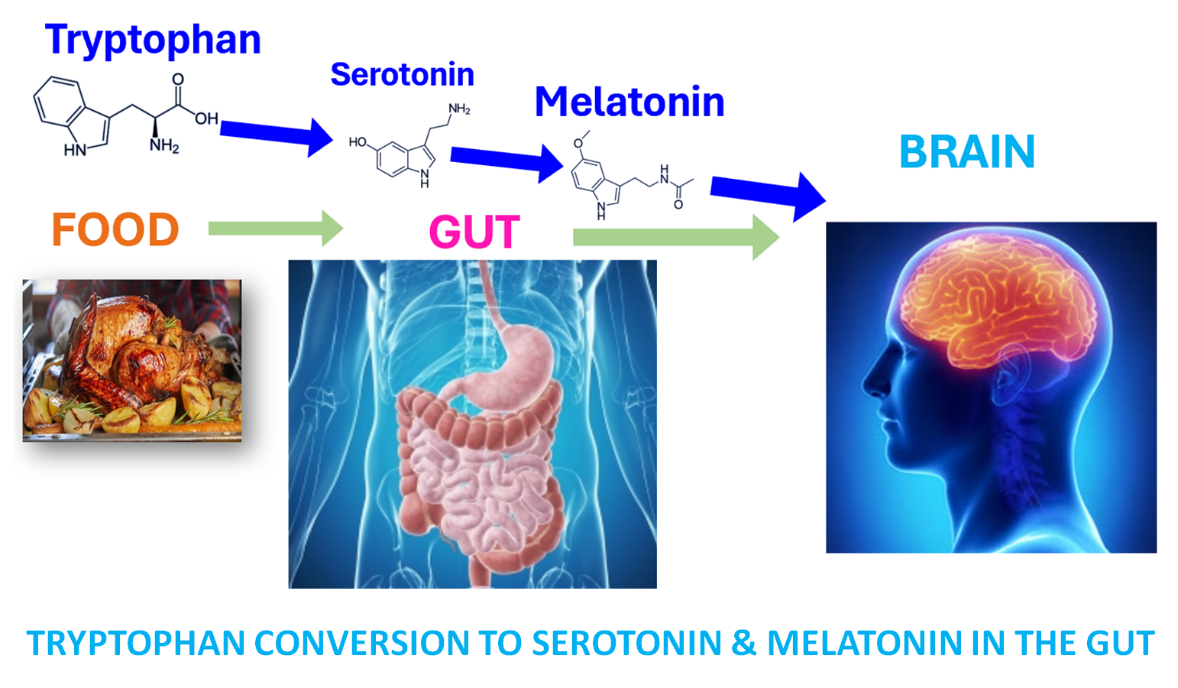
Natural melatonin is what our bodies make from the foods we eat. Melatonin is made from the amino acid tryptophan found in food. Tryptophan is an essential amino acid used by the body to make proteins, serotonin, melatonin and vitamin B3. 1 It must be obtained from food. It’s found in abundance in foods like turkey, soybeans, egg whites, chicken, pumpkin seeds, spinach, and bananas.

The main route of melatonin manufacture is one in which tryptophan that has traveled from the gut to the brain, is converted into serotonin and then to melatonin by enzymes located in the brain structure called the pineal gland. Both melatonin and serotonin play a role in sleep. Serotonin plays many roles in the body but it is most well-known for its role in regulating mood.

The aftermath of a splendid thanksgiving turkey feast—that sleepy feeling—suggests that tryptophan might be a helpful sleep aid. Indeed, limited scientific literature supports modest efficacy for some people with insomnia. But no matter how much turkey one eats, that good night’s sleep one hopes to have might not happen if there’s not enough other nutrients—nutrients that are needed to convert tryptophan into serotonin and melatonin.
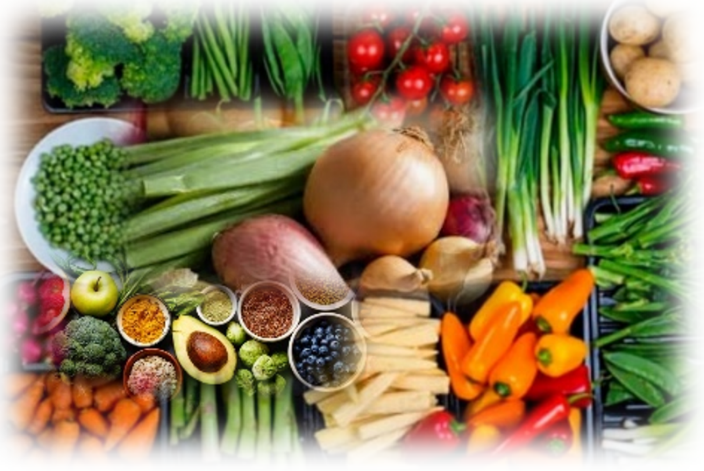
Diet is the best way to get the micronutrients required to turn tryptophan-containing food into serotonin and melatonin. The nutrients include iron, magnesium, calcium, vitamin B6 and folic acid (B9), niacin, Vitamin C and likely zinc. Vitamin D and the omega-3 fatty acids control serotonin synthesis. 2 Some nutrients like magnesium and vitamin D may be harder to get from food.
An often over looked route of melatonin manufacture is one in which tryptophan is converted by enzymes in GI tract to serotonin and then to melatonin. Melatonin travels to the brain from the gut. Melatonin that is created in the GI tract, as well as that found in foods, may also play a role in sleep.
The question of the extent to which gut-derived melatonin impacts sleep and circadian rhythms is currently under investigation. The circadian sleep-awake clock is largely controlled in the brain, where it’s under the regulation of brain-derived melatonin. Such melatonin production is controlled by the daily cycle of daytime light and the darkness of night.
A drop in tryptophan dramatically inhibits serotonin synthesis and reduces tryptophan concentrations in the brain, resulting in a decrease in brain levels of serotonin in both humans and animals, according to researchers. 3
But no matter the route the body uses—melatonin made in the GI tract or in the brain—all melatonin production is driven by dietary tryptophan intake and the availability of key nutrients. 4
The lack of certain dietary nutrients can defeat the process of turning tryptophan into serotonin and serotonin into melatonin. It can deprive the body of the cofactors required for enzymatic reactions that transform tryptophan into these neurochemicals. It can also divert production away from serotonin and melatonin into making other substances.
Tryptophan is also used in the process of making structural proteins that form the scaffolding of our bodies. Instead of making serotonin and melatonin, tryptophan can be shunted into making vitamin B3 (niacin) or protein. These processes are affected by diet and exercise.
Another overlooked part of the process of turning tryptophan into serotonin and melatonin is the fact that no matter how much tryptophan-rich food one eats, if the body doesn’t absorb tryptophan, it can’t be used to make anything including melatonin.
To unlock the keys to tryptophan we have to look to the gut and more specifically the bacteria that colonize the GI tract—the microbiota.
Bacteria that colonize the GI tract determine how much tryptophan is absorbed and available for the manufacture of serotonin and melatonin, key mood and sleep-regulating substances. If the microbiota is compromised, it impacts the absorption and availability of tryptophan—how much serotonin and melatonin are manufactured both in the gut and in the brain. 5
The composition of the gut microbiota influences how much tryptophan we can absorb and may determine how much is available to use for serotonin manufacture. 6, 7, 8
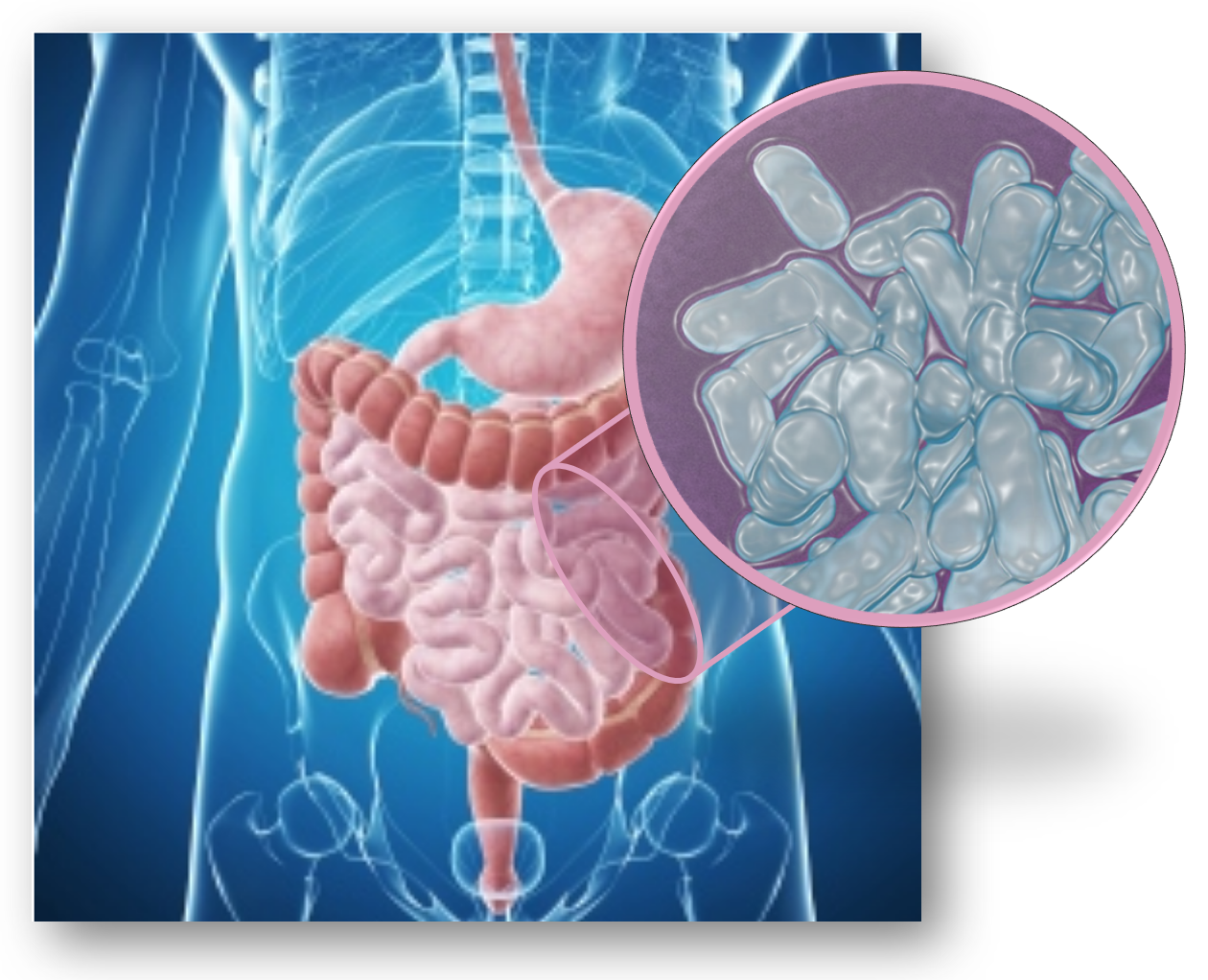
If there’s any disturbances in the microbiota, it can reduce the availability of tryptophan to produce melatonin.
The gut microbiota is profoundly affected by what we eat, 9 including the amount and type of starches, sugars, and fats. What we eat has a pivotal impact on how microbes in the GI tract metabolize tryptophan and therefore how much is circulating in the blood and brain.
The gut microbiota can increase tryptophan levels based on the amount of fats we eat or decrease them based on our carbohydrate consumption. Diet may also trigger changes in the microbiota that diminish or enhance synthesis of serotonin in the gut. 10, 11
Combining good nutrition, stress management with exposure to blue light from the early morning sun is optimal for maximizing melatonin.
A study found that eating a tryptophan-rich breakfast combined with early-morning light exposure boosts evening melatonin levels. 12
Stress also plays a role in how tryptophan is broken down in the body, shifting the balance of neuroprotective versus neurotoxic metabolites that can impact mental health. 13
It’s not an exaggeration to say that food and stress are drivers of mood. One can consume large amounts of tryptophan that is optimally absorbed, but if one is stressed that tryptophan could be broken down into neurotoxic metabolites that may negatively impact mood.
Food to Feed a Mood-Boosting MicroBiota
Establishing and maintaining a healthy gut microbiota is essential for health and well-being, not just for making serotonin and melatonin. Consuming ample amounts of probiotic and prebiotic foods help maintain an optimal number of robust gut bugs. Supplementation may be needed in the case of frequent antibiotic use.

Evidence suggests that our gut microbiota has an enormous influence over our mental-emotional state. 14, 15 Based on their antidepressant and anxiolytic effects, gut bacteria beneficial to mental health have been called psychobiotics. 16
There’s evidence that probiotic supplements might boost tryptophan levels, decrease inflammation, reduce anxiety and improve mood.
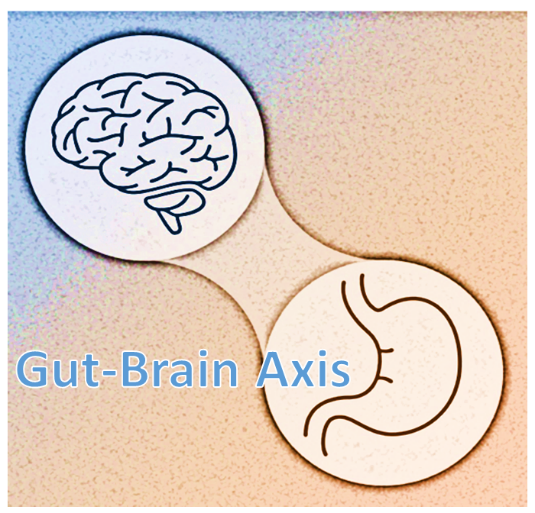
Researchers found that a probiotic decreased production of inflammatory proteins and increased circulating levels of tryptophan and concentrations of a neuroprotective tryptophan metabolite in animal recipients. 17 The balance of various bacterial species inhabiting our gut has an important influence on our psychological health via its effect on the gut-brain axis, a biochemical communication pathway. 18
“Probiotics can alter brain regions that control central processing of emotion and sensation,” according to research published in the journal Gastroenterology. 19
Patients who received probiotics had significantly improved symptoms of depression, a 2023 systematic review of 13 randomized controlled trials (RCTs) with 786 participants concluded. 20
Researchers analyzing data from 34 studies concluded: “Probiotics yielded small but significant effects for depression and anxiety.” 21
Always consult a qualified health care provider before stopping or starting supplements or medications.
To find out how more on how to improve sleep, click link below:
Care informed by the understanding that emotional and physical wellbeing are deeply connected
________________________________________________________________________________________________________________
By using MoodChangeMedicine.com, you agree to accept this website’s terms of use, which can be viewed here
Citations
- Hiratsuka C, Fukuwatari T, Sano M, Saito K, Sasaki S, Shibata K. “Supplementing healthy women with up to 5.0 g/d of L-tryptophan has no adverse effects.” J Nutr. 2013. Jun;143(6):859-66. View abstract. ↩︎
- Peuhkuri K, Sihvola N, Korpela R. “Dietary factors and fluctuating levels of melatonin.” Food Nutr Res. 2012;56. doi: 10.3402/fnr.v56i0.17252. ↩︎
- Wang Z, Liu S, Xu X, Xiao Y, Yang M, Zhao X, Jin C, Hu F, Yang S, Tang B, Song C, Wang T. “Gut Microbiota Associated With Effectiveness And Responsiveness to Mindfulness-Based Cognitive Therapy in Improving Trait Anxiety.” Front Cell Infect Microbiol. 2022. Feb 24;12:719829. doi: 10.3389/fcimb.2022.719829. PMID: 35281444; PMCID: PMC8908961. ↩︎
- Chen CQ, Fichna J, Bashashati M, Li YY, Storr M. “Distribution, function and physiological role of melatonin in the lower gut.” World J Gastroenterol. 2011. Sep 14;17(34):3888-98. doi: 10.3748/wjg.v17.i34.3888. PMID: 22025877; PMCID: PMC3198018. ↩︎
- O’Farrell K, Harkin A. “Stress-related regulation of the kynurenine pathway: relevance to neuropsychiatric and degenerative disorders.” Neuropharmacology. 2017. 112 (Pt B), pp. 307-323 ↩︎
- Gao K, Pi Y, Mu CL, Farzi A, Liu Z, Zhu WY. “Increasing carbohydrate availability in the hindgut promotes hypothalamic neurotransmitter synthesis: aromatic amino acids linking the microbiota-brain axis.” J Neurochem. 2019.149 (5), pp. 641-659 ↩︎
- Gao K, Pi Y, Mu CL, Peng Y, Huang Z, Zhu WY. “Antibiotics-induced modulation of large intestinal microbiota altered aromatic amino acid profile and expression of neurotransmitters in the hypothalamus of piglets.” J Neurochem. 2018.146 (3), pp. 219-234 ↩︎
- Marcobal A, Kashyap PC, Nelson TA, Aronov PA, Donia MS, Spormann A, Fischbach MA, Sonnenburg JL. “A metabolomic view of how the human gut microbiota impacts the host metabolome using humanized and gnotobiotic mice.” ISME J. 2013. 7 (10), pp. 1933-1943 ↩︎
- Kashyap PC, Marcobal A, Ursell LK, Larauche M, Duboc H, Earle KA, Sonnenburg ED, Ferreyra JA, Higginbottom SK, Million M, et al. “Complex interactions among diet, gastrointestinal transit, and gut microbiota in humanized mice.” Gastroenterology. 2013. 144 (5), pp. 967-977 ↩︎
- Zelante T, Iannitti RG, Cunha C, De Luca A, Giovannini G, Pieraccini G, Zecchi R, D’Angelo C, Massi-Benedetti C, Fallarino F, et al. “Tryptophan catabolites from microbiota engage aryl hydrocarbon receptor and balance mucosal reactivity via interleukin-22.” Immunity. 2013. 39 (2), pp. 372-385 ↩︎
- Kashyap PC, Marcobal A, Ursell LK, Larauche M, Duboc H, Earle KA, Sonnenburg ED, Ferreyra JA, Higginbottom SK, Million M, et al. “Complex interactions among diet, gastrointestinal transit, and gut microbiota in humanized mice.” Gastroenterology. 2013. 144 (5), pp. 967-977 ↩︎
- Fukushige H, Fukuda Y, Tanaka M, Inami K, Wada K, Tsumura Y, Kondo M, Harada T, Wakamura T, Morita T. “Effects of tryptophan-rich breakfast and light exposure during the daytime on melatonin secretion at night.” J Physiol Anthropol. 2014 Nov 19;33(1):33. doi: 10.1186/1880-6805-33-33. PMID: 25407790; PMCID: PMC4247643. ↩︎
- Cowen PJ, Browning M. “What has serotonin to do with depression?” World Psychiatry. 2015 Jun;14(2):158-60. doi: 10.1002/wps.20229. PMID: 26043325; PMCID: PMC4471964. ↩︎
- Carabotti M, Scirocco A, Maselli MA, Severi C. “The gut-brain axis: Interactions between enteric microbiota, central and enteric nervous systems.” Ann Gastroenterol. 2015;28(2):203-209. [PMC free article] [PubMed] [Google Scholar] ↩︎
- Mayer EA, Savidge T, Shulman RJ. “Brain-gut microbiota interactions and functional bowel disorders.” Gastroenterology. 2014;146:1500-1512. [PMC free article] [PubMed] [Google Scholar] ↩︎
- Cheng, L.-H., Liu, Y.-W., Wu, C.-C., Wang, S., & Tsai, Y.-C. “Psychobiotics in mental health, neurodegenerative and neurodevelopmental disorders.” Journal of Food and Drug Analysis. 2019. 27(3), 632–648. doi.org/10.1016/j.jfda.2019.01.002 ↩︎
- Desbonnet L, Garrett L, Clarke G, Bienenstock J, Dinan TG. “The probiotic Bifidobacteria infantis: an assessment of potential antidepressant properties in the rat.” J Psychiatr Res. 2008. 43 (2), pp. 164-174 ↩︎
- Martin CR, Osadchiy V, Kalani A, Mayer EA. “The brain-gut-microbiota axis.” Cell Mol Gastroenterol Hepatol. 2018. 6 (2), pp. 133-148 ↩︎
- Tillisch K, Labus J, Kilpatrick L et al. “Consumption of fermented milk product with probiotic modulates brain activity.” Gastroenterology. 2013; 144: 1394–401.e4.View PubMed Google Scholar ↩︎
- Zhang, Q., Chen, B., Zhang, J. et al. “Effect of prebiotics, probiotics, synbiotics on depression: results from a meta-analysis.” BMC Psychiatry. 2023. 23, 477. doi.org/10.1186/s12888-023-04963-x . bmcpsychiatry ↩︎
- Richard T. Liu, Rachel F.L. Walsh, Ana E. Sheehan. “Prebiotics and probiotics for depression and anxiety: A systematic review and meta-analysis of controlled clinical trials.” Neuroscience & Biobehavioral Reviews. 2019. Vol. 102, 2019, Pages 13-23, ISSN 0149-7634, https://doi.org/10.1016/j.neubiorev.2019.03.023.
(sciencedirect) ↩︎

 Mood Change Medicine
Discussion
No comments yet.