By using MoodChangeMedicine.com, you agree to accept this website’s terms of use, which can be viewed here.
May 18, 2024
By Joie Meissner ND, BCB-L
Cannabinoids are naturally occurring constituents in the cannabis plant, also known as marijuana. There are over 100 types of cannabinoids found in the cannabis plant—delta-9 tetrahydrocannabinol (THC) and cannabidiol (CBD) are two major cannabinoids. 1
CANNABINOIDS SNAP SHOT

- Evidence for CBD reducing social anxiety disorder is promising. If you are opting to take something long-term to address social anxiety, CBD might provide a safer option than the pharmaceutical antidepressants and benzodiazepines like Xanax, which are often prescribed for anxiety. But long-term, safety data for CBD are lacking.
- There is still a lack of evidence to conclude that cannabinoids—mixtures containing both CBD and THC—are effective for the range of anxiety disorders. Side-effect risk rises with any cannabinoid product containing THC as its dose rises.
- Products containing mixtures of THC, CBD and other cannabinoids might help insomnia for the short-term, but there’s not enough evidence to make that determination. And there’s evidence showing that long-term and particularly daily use of THC-containing products can harm sleep.
- Cannabinoid use for depression is far from supported by existing evidence. And use of cannabinoids containing a CBD-THC combination are linked to an increased risk of suicide.
- The research literature gives precious little guidance of what constitutes a “safe” dose of THC or a THC-CBD combination. When it comes to prolonged or high doses of THC, caution is warranted because serious side effects have been reported.
- While cannabinoids might provide temporary help, they don’t usually make a permanent change in anxiety or insomnia.
- Talk therapies like Cognitive Behavioral Therapy supported by integrative approaches including biofeedback, mindfulness-based stress reduction, hypnosis, diet and nutrient therapy and treatment for insomnia with Cognitive Behavioral Therapy for Insomnia can make a lasting difference and carry no safety concerns.
Cannabinoids: Anxiety, Depression & Sleep
The medicinal effects of cannabis are being intensely studied, though research on cannabinoids is in its infancy.
Botanical cannabinoid extracts might help to reduce anxiety and improve sleep, a small number of studies suggest. Many people take cannabinoids like CBD for depression. 2
But there are very few studies on the use of cannabinoids for the treatment of depression and its efficacy for depression is not proven. Cannabis use has been linked to suicide and lowered motivation. 3, 4, 5
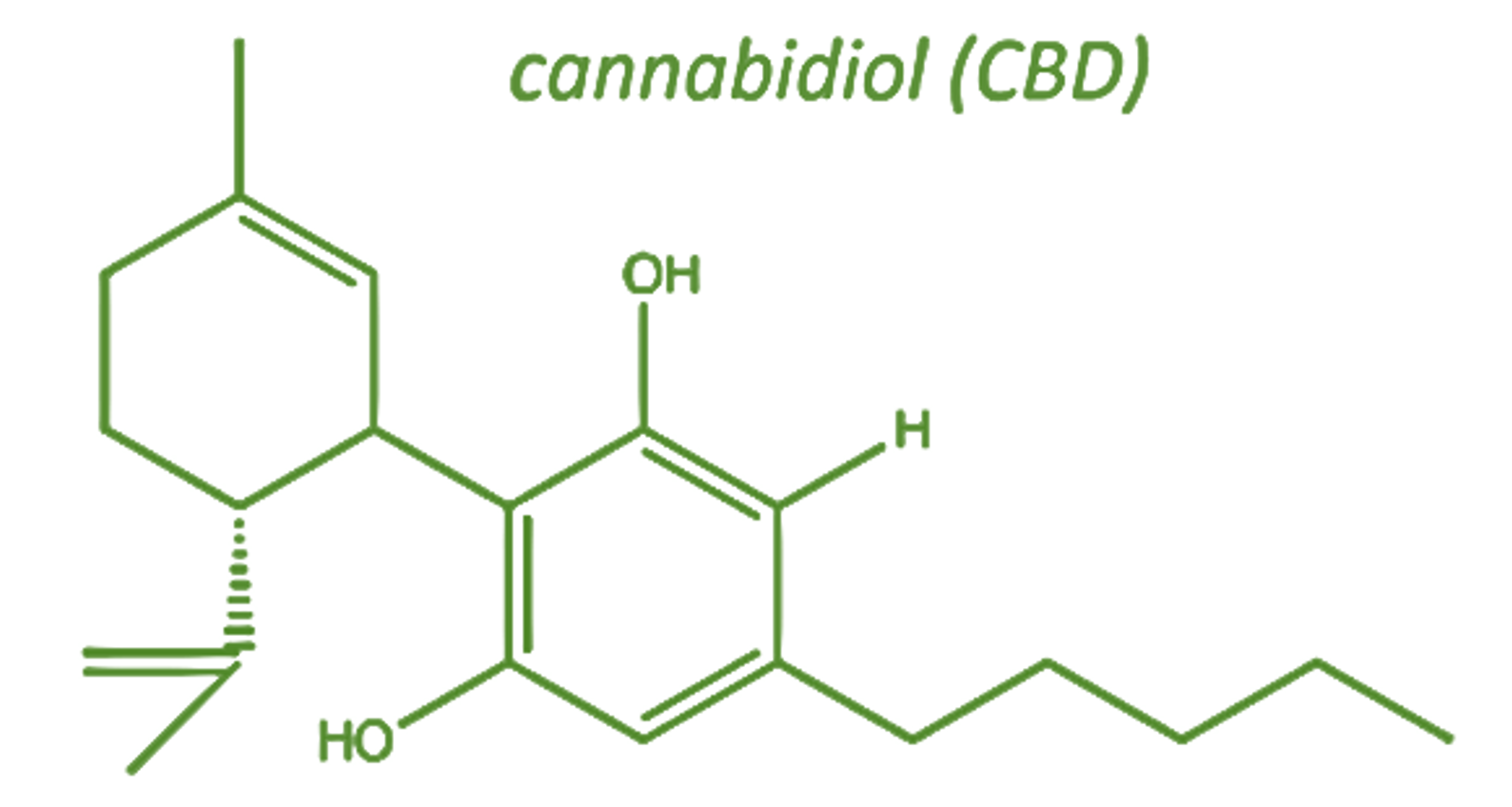
Importantly, there is a lack of long-term safety data on CBD. THC carries significant safety risks. Smoking or vaping any cannabinoid is unsafe.
Pure CBD is likely safer than many sedatives and anti-anxiety drugs in the benzodiazepines classification such as Valium.
If you’re taking cannabinoids for insomnia, you need to be aware that no medication or supplement even comes close to being as safe as cognitive behavioral therapy for insomnia (CBT-I), which can provide a lasting cure rather than a quick fix.
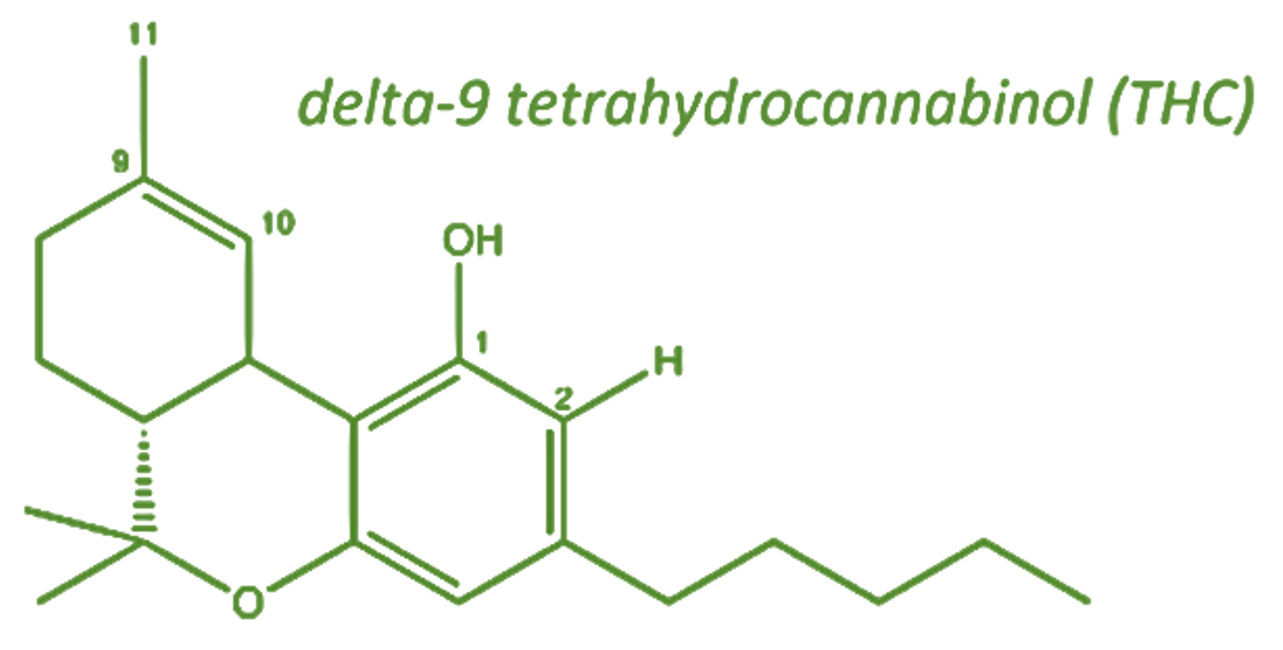
THC is responsible for the “high” of marijuana and carries risk of dependence and withdrawal symptoms upon discontinuation of daily use. It also has more side-effects than other cannabinoids. CBD is not mind-altering, intoxicating or habit forming.
Cannabis also contains other constituents such as essential oils, flavonoids and a plethora of molecules called terpenes.

CBD products come in different forms. True full-spectrum CBD products you can find on store shelves contain a mixture of CBD, essential oils, terpenes, and other cannabinoids found in the plant. Such products include THC at various doses. Products labeled as “CBD isolate” should contain only CBD.
Each constituent might have different effects on insomnia, anxiety, mood, pain and other ailments.
Cannabinoids including CBD and THC can have a different impact on sleep depending on the proportions of each taken. 6
CBD also has a different effect on anxiety at different dosages. 7 THC may decrease anxiety at lower doses and increase anxiety at higher doses. 8, 9
Cannabinoids can interact with each other. The effect of one type of cannabinoid may modulate the effect of another constituent. For example, CBD may attenuate some of the mind-altering effects of THC.
A number of sources point to synergistic effects among the multiple constituents of the cannabis plant. For example, other constituents in the plant can interact with cannabinoids. The so-called “entourage effect” is proposed to augment purported mood-enhancing effects of cannabinoids like THC or CBD due to the inclusion of the wide variety of terpenes and flavonoids found in cannabis. 10, 11, 12
The information provided on this site is for educational purposes only; it is not medical advice and should not be substituted for professional medical advice. Always consult a qualified health care provider before stopping or starting any medications, supplements or cannabinoid products.
To find out if cannabinoids can be helpful for anxiety, click link below:
To find out if cannabinoids can be helpful for depression, click link below:
To find out if cannabinoids can be helpful for insomnia, click link below:
Links to more information on cannabinoids (CBD & THC):
Are cannabinoids effective for sleep?
Are cannabinoids effective for anxiety?
Cannabinoids: Depression & Inflammation
How Safe are Inhaled Cannabinoids?
Side Effects, Drug & Supplement Interactions
CBD: Precautions & Drug Interactions
CBD: Is there a sweet spot for dosing?
Care informed by the understanding that emotional and physical wellbeing are deeply connected
________________________________________________________________________________________________________________
By using MoodChangeMedicine.com, you agree to accept this website’s terms of use, which can be viewed here
Citations
- Robbers JE, Speedie MK, Tyler VE. “Pharmacognosy and Pharmacobiotechnology.” Baltimore, MD: Williams & Wilkins. 1996. ↩︎
- Wieckiewicz G, Stokłosa I, Stokłosa M, Gorczyca P, Pudlo R. “Cannabidiol (CBD) in the Self-Treatment of Depression-Exploratory Study and a New Phenomenon of Concern for Psychiatrists.” Front Psychiatry. 2022. Mar 22;13:837946. doi: 10.3389/fpsyt.2022.837946. PMID: 35392393; PMCID: PMC8980587. ↩︎
- Han B, Compton WM, Einstein EB, Volkow ND. “Associations of Suicidality Trends With Cannabis Use as a Function of Sex and Depression Status.” JAMA Network Open. 2021. DOI: 10.1001/jamanetworkopen.2021.13025. ↩︎
- Hancock-Allen JB, Barker L, VanDyke M, Holmes DB. “Notes from the Field: Death Following Ingestion of an Edible Marijuana Product—Colorado, March 2014.” MMWR Morb Mortal Wkly Rep. 2015;64(28):771-2. View abstract. ↩︎
- Murray CH, Glazer JE, Lee R, Nusslock R, de Wit H. “Δ-9-THC reduces reward-related brain activity in healthy adults.” Psychopharmacology. 2022;239(9):2829-2840. View abstract. ↩︎
- Kaul M, Zee PC, Sahni AS. “Effects of Cannabinoids on Sleep and their Therapeutic Potential for Sleep Disorders.” Neurotherapeutics. 2021. Jan;18(1):217-227. doi: 10.1007/s13311-021-01013-w. Epub 2021 Feb 12. PMID: 33580483; PMCID: PMC8116407 ↩︎
- Zuardi AW, Rodrigues NP, Silva AL, Bernardo SA, Hallak JEC, Guimarães FS, Crippa JAS “Inverted U-Shaped Dose-Response Curve of the Anxiolytic Effect of Cannabidiol during Public Speaking in Real Life” Front Pharmacol. May, 2017. ↩︎
- Kaul M, Zee PC, Sahni AS. “Effects of Cannabinoids on Sleep and their Therapeutic Potential for Sleep Disorders. Neurotherapeutics.” 2021. Jan;18(1):217-227. doi: 10.1007/s13311-021-01013-w. Epub 2021 Feb 12. PMID: 33580483; PMCID: PMC8116407 ↩︎
- Mullins MF. “Cannabis dabbing: An emerging trend.” Nursing. 2021;51(5):46-50. View abstract. ↩︎
- Ferber SG, Namdar D, Hen-Shoval D, Eger G, Koltai H, Shoval G, Shbiro L, Weller A. “The ” ‘Entourage Effect’: Terpenes Coupled with Cannabinoids for the Treatment of Mood Disorders and Anxiety Disorders.” Curr Neuropharmacol. 2020;18(2):87-96. doi: 10.2174/1570159X17666190903103923. PMID: 31481004; PMCID: PMC7324885. ↩︎
- Pamplona FA, da Silva LR, Coan AC. “Potential clinical benefits of CBD-rich cannabis extracts over purified CBD in treatment-resistant epilepsy: observational data meta-analysis.” Front. Neurol. 2018; 9:759. doi: 10.3389/fneur.2018.00759. [PMC free article] [PubMed] [CrossRef] [Google Scholar] ↩︎
- Russo EB. “The case for the entourage effect and conventional breeding of clinical cannabis: No ‘Strain,’ No Gain.” Front. Plant Sci. 2018; 9:1969. doi: 10.3389/fpls.2018.01969. [PMC free article] [PubMed] [CrossRef] [Google Scholar] ↩︎

 Mood Change Medicine
Discussion
No comments yet.