By using MoodChangeMedicine.com, you agree to accept this website’s terms of use, which can be viewed here.
May 20, 2024
By Joie Meissner ND, BCB-L
Cannabinoids are naturally occurring constituents in the cannabis plant, also known as marijuana. There are over 100 types of cannabinoids found in the cannabis plant—delta-9 tetrahydrocannabinol (THC) and cannabidiol (CBD) are two major cannabinoids. THC and CBD each have their own potential therapeutic benefits and safety issues.
SNAP SHOT ON THC SAFETY

- The scientific literature does not speak with one voice on the safety of THC, taken either alone or in combination with CBD.
- Several research studies raise caution about THC increasing the risk of side effects, including serious ones. Other studies found that the chances of a serious side effect are rare.
- Non-serious side-effects are common, with about one out of every five people getting such side effects.
- When it comes to high doses of THC, caution is warranted. Though there is a lack of studies to determine the long-term safety of cannabinoids, it appears that prolonged use and high dosages of THC-containing formulations can cause potentially serious side-effects.
- Importantly, the level of increased risk has been found to be directly related to the size of the THC dose. In other words, the more THC one takes, the greater the risk of an adverse event.
- The research literature gives precious little guidance of what constitutes a “safe” dose of THC or a THC-CBD combination. For example, young adults who smoked high potency cannabis were more likely to have anxiety as compared to people smoking less potent pot. 1
- Adverse reactions to cannabis are related not only to dose, but also to frequency and duration of use, with 47% of regular users facing withdrawal symptoms upon cessation. 2
- Smoking or vaping cannabinoids carries increased risk of adverse effects including on the respiratory, cardiovascular and central nervous systems.
- Cannabinoids are dangerous for pregnant women and children.
- THC can result in intoxication and drowsiness, which pose a risk when driving or operating machinery. THC might have additive effects when used with sedating medications or other products with sedative properties.
- Cannabis use has been linked to aggravated symptoms in people with mental disorders including depression, bipolar disorder and psychosis. Cannabis use has been associated with increased risks of suicidal thoughts and suicide attempts. 3
- Higher doses of cannabis might increase blood pressure and heart rate and alter heart rhythms.
- Cannabinoids have been found to have potentially hazardous interactions with blood-thinning medications, anesthetics and some other drugs.
The snap shot above is not an exhaustive list of all possible safety risks associated with THC/cannabinoid consumption. Always consult your prescribing physician before starting or stopping medications or supplements.
SNAP SHOT ON CBD SAFETY

- CBD “seems to be well tolerated” when taken orally and serious side effects are rare. 4
- Taking CBD for a limited time frame resulted in few adverse effects and when taken for 4 to 6 week time periods adverse effects were mild to moderate. 5
- However, there is a lack of long-term safety data on CBD.
- CBD does not cause intoxicating effects and doesn’t appear to cause withdrawal symptoms.
- When CBD is burned, such as in a vaping pen, it can be converted into THC.
- The consumption of CBD while pregnant or breastfeeding carries risk, with potential negative effects on developing fetuses.
- CBD has numerous drug-herb interaction. When used in combination with other substances like medications, caffeine and other supplements CBD can change blood levels of these other substances including blood-thining and anti-seizure drugs. 6
- CBD can act as a sedative and like other sedatives, it might cause sleepiness. Use of sedatives can make it hazardous to drive or operate machinery. Theoretically, CBD might have additive effects when used with sedating products.
The snap shot above is not an exhaustive list of all possible safety risks associated with CBD consumption. Always consult your prescribing physician before starting or stopping medications or supplements.
Few FDA-Approved Cannabinoids
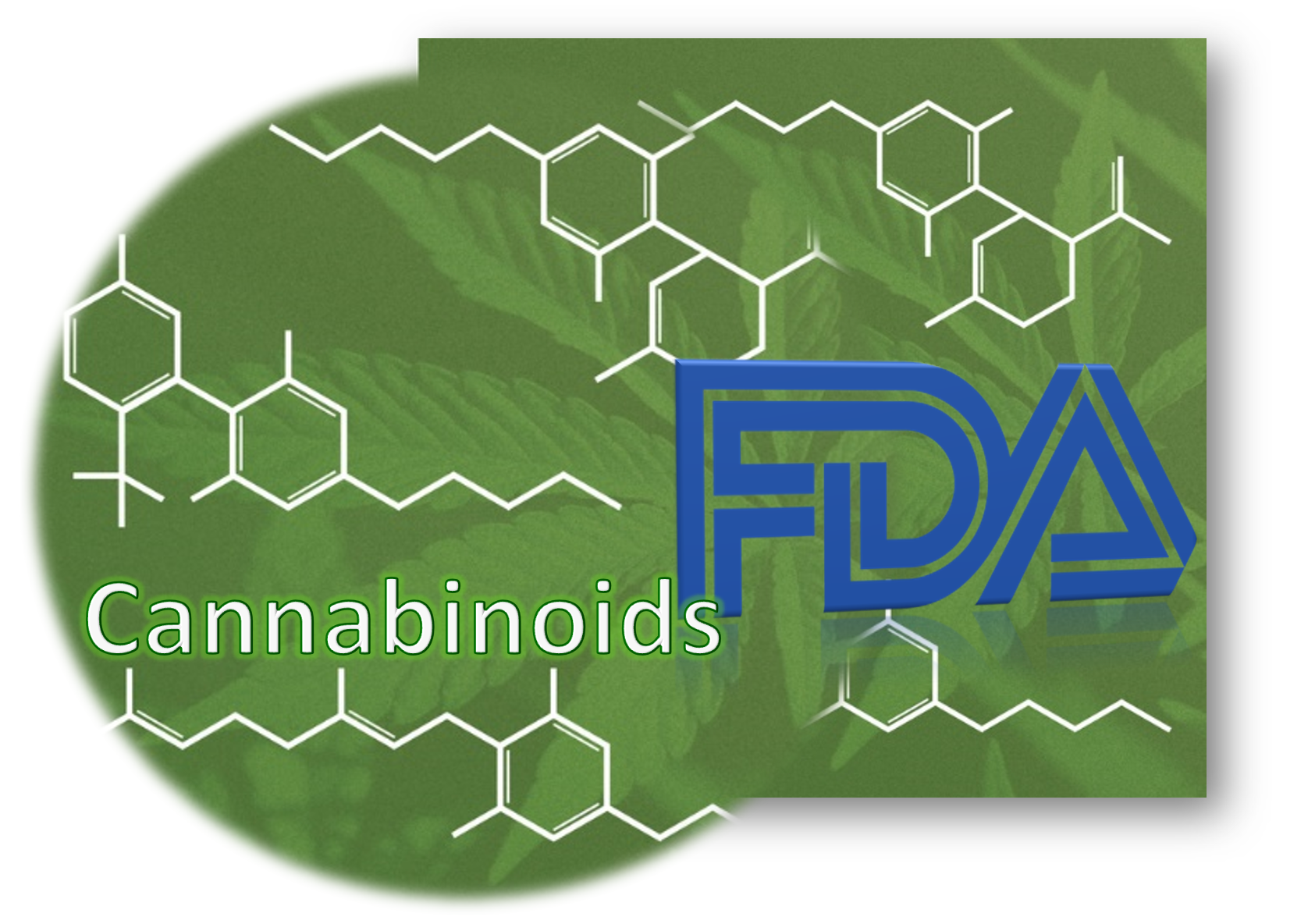
Two synthetic THC-type drugs, nabilone and dronabinol, were approved by the US Food and Drug Administration (FDA) in 1985 for treatment of chemotherapy-induced nausea and vomiting. Nabilone, also known as Cesamet, is a synthetic cannabinoid that is very similar to THC. Dronabinol, sold under the names Marinol and Syndros, is synthetic THC.
The drug Epidiolex is purified CBD. It was the first plant-derived, purified, pharmaceutical-grade cannabidiol (CBD) oil that received FDA-approval in 2018 as a medication for the treatment of seizure in a couple of rare forms of epilepsy (Lennox-Gastaut syndrome or Dravet syndrome) seen in children.
Except for the drug Epidiolex, CBD-containing products, including supplements, aren’t regulated by the FDA. No supplement containing a concentration of THC of more than 0.3 percent is legal under federal law (as of 5/21/24) and they also aren’t regulated by the FDA.
Nabiximols is a cannabis extract marketed as Sativex, a prescription drug in the UK and Canada for the treatment of spasticity in MS patients who have not responded adequately to other anti-spasticity medication. Nabiximols is an investigational new drug not yet FDA-approved for general use in the US. In the US, it is currently being used in clinical trials to investigate its safety and efficacy.
How Safe are THC & CBD/THC Combinations?
The scientific literature does not speak with one voice on the safety of THC, taken either alone or in combination with CBD.
An analysis of 79 studies including 6462 participants asserts that the chance of serious adverse events (side effects) was increased by 41% from taking either a THC, THC synthetic or THC-CBD combination medication as compared to taking an inert placebo. 7
Several other studies say the chances of a serious side effect are rare. 8, 9, 10, 11
For example, a 2021 analysis and review of 46 studies including 6,216 participants found that “THC alone or in combination with CBD did not increase the risk of serious adverse events or of death compared to controls.” 12
But a large number of studies found that non-serious side-effects are common. 13, 14, 15, 16, 17, 18 About one out of every five subjects taking the cannabinoids got non-serious side effects, a 2018 systematic review of 16 studies found. 19
The chances of non-serious side effects from taking either a THC, THC synthetic or THC-CBD combination medication was increased by 200% as compared to controls, a 2015 review of 79 studies reported. 20
Non-serious side effects from THC-containing products are relatively common, but Cannabinoid-based medicines (CBMs) as generally safe, according to the aforementioned 2021 analysis. “Although THC-containing CBMs are associated with side effects in those aged 50 years and over, in general, CBMs are safe and acceptable treatments in older adults.” 21
Taking THC alone carries a risk of side effects. That not true for CBD, which did not raise the risk of side effects, according to the writers of the 2021 analysis. But the risk increases over and above that of THC alone when it is taken in combination with CBD. 22
Importantly, the level of increased risk was found to be directly related to the size of the THC dose. In other words, the more THC one takes, the greater the risk of an adverse event. This was true whether taking THC alone or in combination with CBD. 23
The research literature gives precious little guidance of what constitutes a “safe” dose of THC or a THC-CBD combination.
An expert panel with the NatMed Pro database came to the conclusion that a pharmaceutical oral spray for multiple sclerosis patients called Sativex containing 2.7 milligrams of THC and 2.5 mg of CBD is “Possibly Safe” for up to two years. 24
That means this specific THC-CBD mixture appears to be safe for MS patients under the close supervision of a neurologist.
How this safety green light applies to people who go to their local pot shop looking to buy a THC-CBD tincture blend is nebulous, to say the least.
“A specific oromucosal spray containing cannabis extract (Sativex) seems to be well tolerated when used appropriately,” NatMed Pro went on to say. 25
The phrase “when used appropriately” is equally nebulous when applied to consumers shopping for tinctures, sprays or edibles in the retail market. Such consumers have a wide range of target health conditions and are not acting under the supervision of a neurologist.
But the phrase “when used appropriately” points to the fact that the data show some people run into potentially very unpleasant side effects when they use too much, for too long a period of time, and in the wrong proportions of THC and CBD.
When it comes to high doses of THC, caution is warranted. Though there is a lack of studies to determine the long-term safety of cannabinoids, it appears that prolonged use and high dosages of THC-containing formulations can cause potentially serious side-effects.
THC combinations with CBD are more likely to cause adverse effects than CBD products with low amounts of THC. Healthy adults consuming cannabis brownies containing 20 mg THC of THC plus 640 mg of CBD increases feelings of anxiety, paranoia, and irritability, when compared to eating brownies containing only 20 mg of THC and no added CBD, a 2023 study found. 26
A 2021 analysis and review of numerous studies found that a “significantly higher risk of withdrawal related to AEs [adverse events/side-effects] was noted on average for studies using THC: CBD combination, though this was not observed in studies that used THC without CBD.” 27
In an apparent contrary conclusion, a 2015 analysis of numerous studies asserted that there was no clear evidence that the type of cannabinoid made a difference in either benefits or harmful side-effects. 28
When used orally or inhaled in large amounts or for extended periods of time, edible cannabis products containing at least 50 mg of THC have resulted in cases of anxiety, psychosis, myocardial infarction, and ventricular arrhythmia, a 2019 study in the Annals of Internal Medicine concluded. 29 But that doesn’t mean that taking 45 mg doses, or 35 mg or 30 mg doses are necessarily safe.
Too much THC, over too long a time period, used too frequently puts consumers at risk for serious side-effects. And there’s a lack of long-term studies to determine the safety of cannabinoids at any dose.
The NatMed Pro expert panel struck this sobering note: “Excessive and prolonged use of cannabis containing THC, either by smoking and/or oral use, can lead to cannabinoid hyperemesis syndrome (CHS).” That’s out-of-control vomiting. “This condition is characterized by severe, repeat bouts of nausea and vomiting that cannot be alleviated by conventional antiemetics. In several cases, CHS has been linked to severe complications resulting in death.” 30
“THC has also been associated with seizures, cognitive impairment, and mood disturbances,” NatMed Pro continued. And the expert panel noted that stopping regular use of cannabis or another THC product can cause cannabis withdrawal syndrome, with the severity depending on how often and how much was consumed prior to cessation. Common symptoms include anxiety, irritability, anger, aggression, sleep disturbances, loss of appetite and depressed mood. Physical symptoms are less common and include headaches, chills, and stomach pain. 31
A 2021 review of 38 studies gave cannabis pharmaceuticals relatively high marks for safety. “Cannabinoid-based medications were generally safe and acceptable to adults aged over 50 years,” the researchers concluded, but noted that the underlining studies lacked the scientific rigor of control groups. 32
The above is descriptions do not include all possible safety risks associated with cannabinoid consumption. Always consult your prescribing physician before starting or stopping medications or supplements.
Links to more information on cannabinoids (CBD & THC):
Anxiety, Depression, Sleep & Cannabinoids
Are cannabinoids effective for sleep?
Are cannabinoids effective for anxiety?
Cannabinoids: Depression & Inflammation
How Safe are Inhaled Cannabinoids?
For further details on cannabinoid safety, click link: cannabis
How Safe Is CBD?
When taken “orally, cannabidiol seems to be well tolerated,” according to an expert, peer-reviewed report from NatMed Pro. Serious side-effect are rare when taken orally. 33
The highest-quality evidence evaluating CBD safety is from clinical drug trials on the epilepsy medication Epidiolex. Because children in the trials were also receiving other drugs carrying significant side effects like liver toxicity, and because the dosages involved are much higher than that typically consumed with over-the-counter CBD products, this evidence may not apply to such products.
FDA’s review of four randomized, placebo-controlled trials of Epidiolex describes these side effects: sleepiness (18%; 3% is severe), mental symptoms such as agitation and sedation (1-4%), decreased appetite (16%), diarrhea (9%), and decreased weight (3%).
The FDA noted that children in the clinical trials had elevated liver enzymes and that there was a risk of up to 0.4% of the patients sustaining severe liver injury. However, no cases of such injury were reported in the trials. EPA also noted that it is likely that these children will eventually get “cannabidiol-induced adverse reactions,” but that these side effects “would be expected to be detectable by patients and/or caregivers, self-limited, and reversible.” 34
For more complete safety information on Epidiolex click link: Epidiolex
The FDA notes that its evaluation of Epidiolex may not apply to adults or to healthy people. Indeed, a National Institutes of Health publication called LiverTox said: “The lower doses of cannabidiol found typically in over-the-counter CBD products are generally well tolerated without evidence of liver injury.” 35
Studies of over-the-counter CBD in daily doses of less than 400 mg have generally found few beneficial effects, but also few adverse events except for mild somnolence and dizziness according to LiverTox: Clinical and Research Information on Drug-Induced Liver Injury’s last update in February 16, 2023.
“Cannabidiol doses up to 200 mg daily have been used with apparent safety for up to 13 weeks,” according to an expert, peer-reviewed report from NatMed Pro. 36, 37, 38 “Doses of 700 mg daily for up to 6 weeks and 1200 mg daily for up to 4 weeks have been used with apparent safety.” 39, 40, 41
The lack of long-term safety data is also noted by FDA. 42
Systematic analyses of randomized controlled trials of CBD reported few serious adverse events. “The most common adverse effects are mild and moderate, and serious adverse effects are rare and have been only reported in epilepsy studies, with concomitant use of CBD with antiepileptic drugs,” a 2022 review found. 43
There were 454 participants who used CBD in the trials, some healthy and others with a wide range of physical or mental health conditions. The most common side effects of CBD “were mild or moderate and included gastrointestinal symptoms (59.5%), somnolence (16.7%), and loss of appetite (16.5%),” the review said. The gastrointestinal symptoms included diarrhea, nausea, vomiting, abdominal pain, abdominal distention, and constipation. Serious side effects were seen when CBD was used as an add-on therapy with potent anti-epilepsy pharmaceuticals and included elevation of liver enzymes, seizures and rash. 44
Recent randomized controlled trials “involving oral CBD administration for at least a week suggest that CBD has a good safety and tolerability profile, confirming previous data. However, it can potentially interact with other drugs and its use should be monitored, especially at the beginning of treatment.” 45
The review does not provide safety information on long-term use of CBD. 46
A systematic review of 22 CBD studies involving 927 patients 72 concluded that “regarding safety issues, most studies reported no AEs (adverse events) with acute administration and mild to moderate adverse effects with chronic administration,” the review said. “In comparison to other drugs, a better side effect profile was presented.” 47
But the reviewers pointed out that most of the included studies only gave CBD for a period of 4 to 6 weeks. “There is a need for longer term safety data and systematic/uniform reporting of AEs to better weight benefit and harms in future reviews.” 48
A 2017 update on the safety of CBD stated that the often-described favorable safety profile of CBD in humans was confirmed and extended by the reviewed research. “The most commonly reported side effects were tiredness, diarrhea, and changes of appetite/weight. In comparison with other drugs, used for the treatment of these medical conditions, CBD has a better side effect profile.” But the reviews concluded that there is more work to do on the potential toxicological effects of CBD, for example its potential impact on hormones. 49
“Additionally, more clinical trials with a greater number of participants and longer chronic CBD administration are still lacking.” 50
Other studies report additional side effects with CBD including dry mouth, dizziness, and agitation, according to NatMed Pro. 51 (see links below for more information on side effects.)
Cannabidiol doesn’t appear to have withdrawal symptoms like the commonly prescribed anti-anxiety drugs, benzodiazepines, such as Xanax. 52
Unlike THC (delta-9-THC, delta-8-THC), CBD (cannabidiol) does not activate the cannabinoid receptors that are thought to cause THC’s hallucinogenic effects. 53
However, when CBD is exposed to temperatures typically occurring in e-cigarettes, it can be converted to both delta-9-THC and delta-8-THC, as well as other cannabinoids. 54 E-cigarettes refers to a device used to inhale (or vape) tobacco or cannabinoid substances. Vaping CBD thus may have some hallucinogenic effects.
There is a potential for alteration in the effects of other drugs taken with CBD. That could potentially lead to a decrease in the medication’s effectiveness to treat the condition for which it was prescribed or to increasing the medication’s potency, leading to increased side-effects. For example, CBD can increase the level of blood thinning medications and thus increase the risk of bleeding.
The above is not an exhaustive list of all possible safety risks associated with CBD consumption. Always consult your prescribing physician before starting or stopping medications or supplements.
Links to more information on CBD (also see cannabinoid links above):
Anxiety, Depression, Sleep & Cannabinoids
Are cannabinoids effective for sleep?
Are cannabinoids effective for anxiety?
Cannabinoids: Depression & Inflammation
How Safe are Inhaled Cannabinoids?
CBD: Precautions & Drug Interactions
Cannabinoid Side Effects & Drug Interactions
Is there a sweet spot for dosing?
Link for more safety information on: CBD
Bottom line:
- Smoking and vaping are unsafe.
- No medication or supplement even comes close to being as safe as cognitive behavioral therapy for insomnia, which can provide a lasting cure of insomnia rather than a quick fix.
- Given the toxicity of typically prescribed sleep medications, cannabinoids might provide a safer alternative, but long-term safety studies are lacking. And in products combining THC with CBD, risk goes up with increases in the dose of THC.
- Cannabinoids are not proven to be effective for anxiety. Psychotherapy has been proven to be effective. So have SSRIs and SNRIs—like Prozac and Lexapro—but they have significant side effects including rebound anxiety when you stop taking them. CBD for social anxiety shows promise and might provide a safer option then SSRIs and SNRIs, and possibly much safer than benzodiazepines. But long-term, CBD safety data are lacking.
- The constituents of cannabis—CBD, THC, terpenes etc.—have different effects. The proportions of each constituent, the combination and the dosage all have the potential to alter the affects. Higher levels of THC in a product combined with higher dosing can trigger anxiety rather than lower it. THC carries more risk than other constituents. Using a combination cannabinoid product containing THC, raises the risk of side effects as the dose rises. THC is known to cause anxiety that can increase with increasing doses and as THC’s proportion to the other cannabinoid constituents increases.
- Psychotherapy has long-term benefits that endure after discontinuing therapy. But with cannabinoids as well as SSRIs, benzodiazepines or other sedatives, anxiety can return as soon as the medication wears off.
- For people with depression, the potential harms may outweigh the benefits, particularly because cannabis use has been linked to increased risk of suicide.
- Cannabinoids can interact with pharmaceutical medications and might not be safe for certain individuals. Some cannabinoid products can be intoxicating and mind-altering leading to unpredictable affects.
This article is not a substitute for medical advice. Before taking any cannabinoid product consult with a physician or qualified healthcare professional.
To find out about the purity and potency of cannabinoids on store shelves versus what’s on their labels, click link below:
To find out how more about our services, click link below:
Care informed by the understanding that emotional and physical wellbeing are deeply connected
________________________________________________________________________________________________________________
By using MoodChangeMedicine.com, you agree to accept this website’s terms of use, which can be viewed here
Citations
- Hines LA, Freeman TP, Gage SH, et al. “Association of High-Potency Cannabis Use With Mental Health and Substance Use in Adolescence.” JAMA Psychiatry. 2020;77(10):1044-1051. View abstract. ↩︎
- “Cannabis Monograph” NatMed Pro Therapeutic Research Center database Jan. 31, 2024. Last modified on 10/13/2023, accessed March 2024 ↩︎
- Han B, Compton WM, Einstein EB, Volkow ND. “Associations of Suicidality Trends With Cannabis Use as a Function of Sex and Depression Status.” JAMA Network Open. 2021. DOI: 10.1001/jamanetworkopen.2021.13025. ↩︎
- “Cannabis Monograph” NatMed Pro Therapeutic Research Center database Jan. 31, 2024. Last modified on 10/13/2023, accessed March 2024 ↩︎
- Larsen C, Shahinas J. “Dosage, Efficacy and Safety of Cannabidiol Administration in Adults: A Systematic Review of Human Trials.” J Clin Med Res. 2020. Mar;12(3):129-141. doi: 10.14740/jocmr4090. Epub 2020 Mar 2. PMID: 32231748; PMCID: PMC7092763. ↩︎
- Klotz KA, Hirsch M, Heers M, Schulze-Bonhage A, Jacobs J. “Effects of cannabidiol on brivaracetam plasma levels.” Epilepsia. 2019;60(7):e74-e77. View abstract. ↩︎
- Whiting PF, Wolff RF, Deshpande S, et al. “Cannabinoids for Medical Use: A Systematic Review and Meta-analysis.” JAMA. 2015;313(24):2456–2473. doi:10.1001/jama.2015.6358 PubMed 26103030. ↩︎
- Velayudhan L, McGoohan K, Bhattacharyya S. “Safety and tolerability of natural and synthetic cannabinoids in adults aged over 50 years: A systematic review and meta-analysis.” PLoS Med. 2021;18(3):e1003524. View abstract. ↩︎
- Mücke M, Phillips T, Radbruch L, Petzke F, Häuser W. “Cannabis‐based medicines for chronic neuropathic pain in adults.” Cochrane Database of Systematic Reviews. 2018, Issue 3. Art. No.: CD012182. DOI: 10.1002/14651858.CD012182.pub2. PubMed: 29513392. [cochranelibrary] Accessed 05 February 2024. ↩︎
- Wang T, Collet JP, Shapiro S, Ware MA. “Adverse effects of medical cannabinoids: a systematic review.” Cmaj. 2008;178(13):1669–78. Epub 2008/06/19. 10.1503/cmaj.071178 [PMC free article] [PubMed] [CrossRef] [Google Scholar] ↩︎
- van den Elsen GA, Ahmed AI, Lammers M, Kramers C, Verkes RJ, van der Marck MA, et al. “Efficacy and safety of medical cannabinoids in older subjects: a systematic review.” Ageing Res Rev. 2014;14:56–64. Epub 2014/02/11. 10.1016/j.arr.2014.01.007. [PubMed] [CrossRef] [Google Scholar] ↩︎
- Velayudhan L, McGoohan K, Bhattacharyya S. “Safety and tolerability of natural and synthetic cannabinoids in adults aged over 50 years: A systematic review and meta-analysis.” PLoS Med. 2021;18(3):e1003524. View abstract. ↩︎
- Velayudhan L, McGoohan K, Bhattacharyya S. “Safety and tolerability of natural and synthetic cannabinoids in adults aged over 50 years: A systematic review and meta-analysis.” PLoS Med. 2021;18(3):e1003524. View abstract. ↩︎
- Mücke M, Phillips T, Radbruch L, Petzke F, Häuser W. “Cannabis‐based medicines for chronic neuropathic pain in adults.” Cochrane Database of Systematic Reviews. 2018, Issue 3. Art. No.: CD012182. DOI: 10.1002/14651858.CD012182.pub2. PubMed: 29513392. [cochranelibrary] Accessed 05 February 2024. ↩︎
- Whiting PF, Wolff RF, Deshpande S, et al. “Cannabinoids for Medical Use: A Systematic Review and Meta-analysis.” JAMA. 2015;313(24):2456–2473. doi:10.1001/jama.2015.6358 PubMed 26103030. ↩︎
- Stockings E, Campbell G, Hall WD, et al. “Cannabis and cannabinoids for the treatment of people with chronic noncancer pain conditions: a systematic review and meta-analysis of controlled and observational studies.” Pain. 2018;159(10):1932-1954. ↩︎
- Wang T, Collet JP, Shapiro S, Ware MA. “Adverse effects of medical cannabinoids: a systematic review.” Cmaj. 2008;178(13):1669–78. Epub 2008/06/19. 10.1503/cmaj.071178 [PMC free article] [PubMed] [CrossRef] [Google Scholar] ↩︎
- van den Elsen GA, Ahmed AI, Lammers M, Kramers C, Verkes RJ, van der Marck MA, et al. “Efficacy and safety of medical cannabinoids in older subjects: a systematic review.” Ageing Res Rev. 2014;14:56–64. Epub 2014/02/11. 10.1016/j.arr.2014.01.007. [PubMed] [CrossRef] [Google Scholar] ↩︎
- Mücke M, Phillips T, Radbruch L, Petzke F, Häuser W. “Cannabis‐based medicines for chronic neuropathic pain in adults.” Cochrane Database of Systematic Reviews. 2018, Issue 3. Art. No.: CD012182. DOI: 10.1002/14651858.CD012182.pub2. PubMed: 29513392. [cochranelibrary] Accessed 05 February 2024. ↩︎
- Whiting PF, Wolff RF, Deshpande S, et al. “Cannabinoids for Medical Use: A Systematic Review and Meta-analysis.” JAMA. 2015;313(24):2456–2473. doi:10.1001/jama.2015.6358 PubMed 26103030. ↩︎
- Velayudhan L, McGoohan K, Bhattacharyya S. “Safety and tolerability of natural and synthetic cannabinoids in adults aged over 50 years: A systematic review and meta-analysis.” PLoS Med. 2021;18(3):e1003524. View abstract. ↩︎
- Velayudhan L, McGoohan K, Bhattacharyya S. “Safety and tolerability of natural and synthetic cannabinoids in adults aged over 50 years: A systematic review and meta-analysis.” PLoS Med. 2021;18(3):e1003524. View abstract. ↩︎
- Velayudhan L, McGoohan K, Bhattacharyya S. “Safety and tolerability of natural and synthetic cannabinoids in adults aged over 50 years: A systematic review and meta-analysis.” PLoS Med. 2021;18(3):e1003524. View abstract. ↩︎
- “Cannabis Monograph” NatMed Pro Therapeutic Research Center database Jan. 31, 2024. Last modified on 10/13/2023, accessed March 2024 ↩︎
- “Cannabis Monograph” NatMed Pro Therapeutic Research Center database Jan. 31, 2024. Last modified on 10/13/2023, accessed March 2024 ↩︎
- Zamarripa CA, Spindle TR, Surujunarain R, et al. “Assessment of orally administered ∆9-tetrahydrocannabinol when coadministered with cannabidiol on ∆9-tetrahydrocannabinol pharmacokinetics and pharmacodynamics in healthy adults: A randomized clinical trial.” JAMA Netw Open. 2023;6(2):e2254752. View abstract. ↩︎
- Velayudhan L, McGoohan K, Bhattacharyya S. “Safety and tolerability of natural and synthetic cannabinoids in adults aged over 50 years: A systematic review and meta-analysis.” PLoS Med. 2021;18(3):e1003524. View abstract. ↩︎
- Whiting PF, Wolff RF, Deshpande S, et al. “Cannabinoids for Medical Use: A Systematic Review and Meta-analysis.” JAMA. 2015;313(24):2456–2473. doi:10.1001/jama.2015.6358 PubMed 26103030. ↩︎
- Monte AA, K Shelton SK, Mills E. “Acute Illness Associated With Cannabis Use, by Route of Exposure: An Observational Study.” Ann Intern Med. 2019 Apr 16;170(8):531-537. View abstract. ↩︎
- “Cannabis Monograph” NatMed Pro Therapeutic Research Center database Jan. 31, 2024. Last modified on 10/13/2023, accessed March 2024 ↩︎
- “Cannabis Monograph” NatMed Pro Therapeutic Research Center database Jan. 31, 2024. Last modified on 10/13/2023, accessed March 2024 ↩︎
- Pisani S, McGoohan K, Velayudhan L, Bhattacharyya S. “Safety and Tolerability of Natural and Synthetic Cannabinoids in Older Adults: A Systematic Review and Meta-Analysis of Open-Label Trials and Observational Studies”. Drugs Aging. 2021;38(10):887-910. View abstract. ↩︎
- “Cannabidiol (CBD) Monograph” NatMed Pro Therapeutic Research Center database current through: Jan 31, 2024. Last modified Sept. 30, 2023. accessed March 2024 ↩︎
- Safety of CBD in Humans –A Literature Review (As of December 12, 2019) cited “FDA Concludes that Existing Regulatory Frameworks for Foods and Supplements are Not Appropriate for Cannabidiol, Will Work with Congress on a New Way Forward” FDA Statement January 2023. Woodcock, Janet M.D. Principal Deputy Commissioner of FDA. ↩︎
- LiverTox: Clinical and Research Information on Drug-Induced Liver Injury’s last update in February 16, 2023 ↩︎
- Jadoon KA, Ratcliffe SH, Barrett DA, et al. “Efficacy and safety of cannabidiol and tetrahydrocannabivarin on glycemic and lipid parameters in patients with type 2 diabetes: a randomized, double-blind, placebo-controlled, parallel group pilot study.” Diabetes Care. 2016 Oct;39(10):1777-86. View abstract. ↩︎
- Velayudhan L, McGoohan K, Bhattacharyya S. “Safety and tolerability of natural and synthetic cannabinoids in adults aged over 50 years: A systematic review and meta-analysis.” PLoS Med. 2021;18(3):e1003524. View abstract. ↩︎
- “Cannabidiol (CBD) Monograph” NatMed Pro Therapeutic Research Center database current through Jan 31, 2024. Last modified Sept. 30, 2023. accessed March 2024 ↩︎
- Leweke FM, Piomelli D, Pahlisch F, et al. “Cannabidiol enhances anandamide signaling and alleviates psychotic symptoms of schizophrenia.” Transl Psychiatry. 2012;2:e94. View abstract. ↩︎
- Velayudhan L, McGoohan K, Bhattacharyya S. “Safety and tolerability of natural and synthetic cannabinoids in adults aged over 50 years: A systematic review and meta-analysis.” PLoS Med. 2021;18(3):e1003524. View abstract ↩︎
- “Cannabidiol (CBD) Monograph” NatMed Pro Therapeutic Research Center database current through Jan 31, 2024. Last modified Sept. 30, 2023. accessed March 2024 ↩︎
- Safety of CBD in Humans –A Literature Review (As of December 12, 2019) cited “FDA Concludes that Existing Regulatory Frameworks for Foods and Supplements are Not Appropriate for Cannabidiol, Will Work with Congress on a New Way Forward” FDA Statement January 2023. Woodcock, Janet M.D. Principal Deputy Commissioner of FDA. ↩︎
- Souza JDR, Pacheco JC, Rossi GN, de-Paulo BO, Zuardi AW, Guimarães FS, Hallak JEC, Crippa JA, Dos Santos RG. “Adverse Effects of Oral Cannabidiol: An Updated Systematic Review of Randomized Controlled Trials (2020-2022).” Pharmaceutics. 2022. Nov 25;14(12):2598. doi: 10.3390/pharmaceutics14122598. PMID: 36559092; PMCID: PMC9782576 . ↩︎
- Souza JDR, Pacheco JC, Rossi GN, de-Paulo BO, Zuardi AW, Guimarães FS, Hallak JEC, Crippa JA, Dos Santos RG. “Adverse Effects of Oral Cannabidiol: An Updated Systematic Review of Randomized Controlled Trials (2020-2022).” Pharmaceutics. 2022. Nov 25;14(12):2598. doi: 10.3390/pharmaceutics14122598. PMID: 36559092; PMCID: PMC9782576 . ↩︎
- Souza JDR, Pacheco JC, Rossi GN, de-Paulo BO, Zuardi AW, Guimarães FS, Hallak JEC, Crippa JA, Dos Santos RG. “Adverse Effects of Oral Cannabidiol: An Updated Systematic Review of Randomized Controlled Trials (2020-2022).” Pharmaceutics. 2022. Nov 25;14(12):2598. doi: 10.3390/pharmaceutics14122598. PMID: 36559092; PMCID: PMC9782576 . ↩︎
- Souza JDR, Pacheco JC, Rossi GN, de-Paulo BO, Zuardi AW, Guimarães FS, Hallak JEC, Crippa JA, Dos Santos RG. “Adverse Effects of Oral Cannabidiol: An Updated Systematic Review of Randomized Controlled Trials (2020-2022).” Pharmaceutics. 2022. Nov 25;14(12):2598. doi: 10.3390/pharmaceutics14122598. PMID: 36559092; PMCID: PMC9782576 . ↩︎
- Larsen C, Shahinas J. “Dosage, Efficacy and Safety of Cannabidiol Administration in Adults: A Systematic Review of Human Trials.” J Clin Med Res. 2020. Mar;12(3):129-141. doi: 10.14740/jocmr4090. Epub 2020 Mar 2. PMID: 32231748; PMCID: PMC7092763. ↩︎
- Larsen C, Shahinas J. “Dosage, Efficacy and Safety of Cannabidiol Administration in Adults: A Systematic Review of Human Trials.” J Clin Med Res. 2020. Mar;12(3):129-141. doi: 10.14740/jocmr4090. Epub 2020 Mar 2. PMID: 32231748; PMCID: PMC7092763. ↩︎
- Iffland K, Grotenhermen F. “An Update on Safety and Side Effects of Cannabidiol: A Review of Clinical Data and Relevant Animal Studies.” Cannabis Cannabinoid Res. 2017;2(1):139–154. doi: 10.1089/can.2016.0034. [PMC free article] [PubMed] [CrossRef] [Google Scholar] ↩︎
- Iffland K, Grotenhermen F. “An Update on Safety and Side Effects of Cannabidiol: A Review of Clinical Data and Relevant Animal Studies.” Cannabis Cannabinoid Res. 2017;2(1):139–154. doi: 10.1089/can.2016.0034. [PMC free article] [PubMed] [CrossRef] [Google Scholar] ↩︎
- “Cannabidiol (CBD) Monograph” NatMed Pro Therapeutic Research Center database current through Jan 31, 2024. Last modified Sept. 30, 2023. accessed March 2024 ↩︎
- Taylor L, Crockett J, Tayo B, Checketts D, Sommerville K. “Abrupt withdrawal of cannabidiol (CBD): A randomized trial.” Epilepsy Behav. 2020;104(Pt A):106938. View abstract. ↩︎
- Pertwee RG. “The diverse CB1 and CB2 receptor pharmacology of three plant cannabinoids: delta9-tetrahydrocannabinol, cannabidiol and delat9-tetrahydrocannabivarin.” Br J Pharmacol. 2008;153:199-215. View abstract. ↩︎
- Czégény Z, Nagy G, Babinszki B, et al. “CBD, a precursor of THC in e-cigarettes.” Sci Rep. 2021;11(1):8951. View abstract. ↩︎

 Mood Change Medicine
Discussion
No comments yet.