By using MoodChangeMedicine.com, you agree to accept this website’s terms of use, which can be viewed here.
May 20, 2024
By Joie Meissner ND, BCB-L
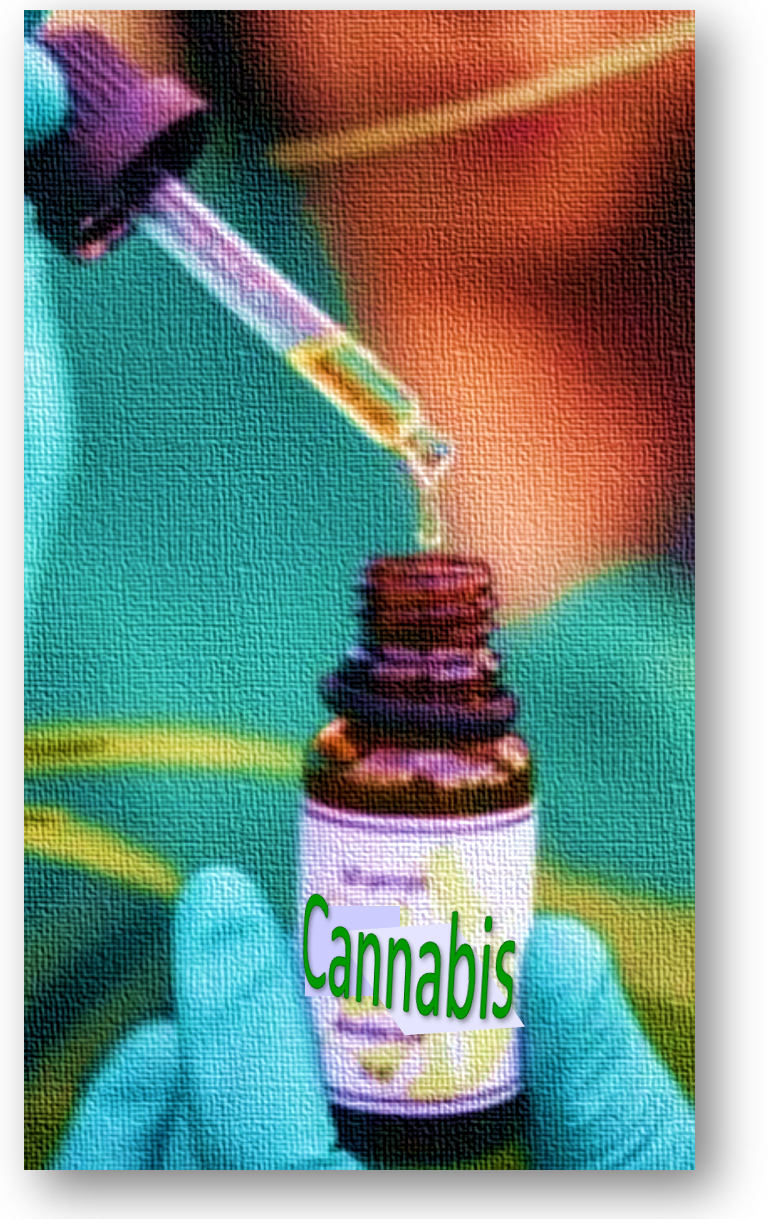
Cannabinoids are naturally occurring constituents in the cannabis plant, also known as marijuana. There are over 100 types of cannabinoids found in the cannabis plant—delta-9 tetrahydrocannabinol (THC) and cannabidiol (CBD) are two major cannabinoids. 1
Full-spectrum CBD products shipped via the United States postal service may contain THC concentration of 0.3 percent or less whereas products sold at the local pot shop may contain much higher levels of THC.
Over-the-counter products might not contain what is listed on the label. CBD products may contain THC in amounts higher than listed on the label. Cannabinoid products might contain contaminants such as pesticides, heavy metals, bacteria, or fungi. 2
When exposed to temperatures typically occurring in e-cigarettes, CBD can be converted into THC and Delta-8 THC, a different form of the psychoactive component in the cannabis plant. 3 Products may not display this ingredient on product labeling.
Edible cannabis product dosing can be very confusing. A young adult who consumed an edible cannabis cookie experienced symptoms including suicidal actions that lead to his death. The products label listed 10 mg of THC per serving, with the serving size being just 1/6th of the cookie. Edible products can take a while to manifest their effects. After the young man didn’t experience effects within 30-60 minutes of the initial dose, he consumed the entire cookie. 4
Any given supplement can contain harmful impurities. Because cannabinoids might contain impurities like heavy metals and persistent organic pollutants (POPs) like dioxin or pesticide or fungal residues, safety-conscious cannabinoid product manufacturers use spectrometry or other scientifically proven methods to batch test their final products for purity and potency.
Some companies also hire third-party laboratories. These labs may do batch testing of raw materials and/or finished products and some may provide certificates of analysis (CoA) to consumers looking to ensure that what is on the label is actually in the tincture bottle.
To find out about the safety of inhaling cannabinoids including vaping CBD and combination products, click link below:
Links to more information on cannabinoids (CBD & THC):
Cannabinoids: Anxiety, Depression & Sleep
Are cannabinoids effective for sleep?
Are cannabinoids effective for anxiety?
Cannabinoids: Depression & Inflammation
How Safe are Inhaled Cannabinoids?
Side Effects, Drug & Supplement Interactions
CBD: Precautions & Drug Interactions

Care informed by the understanding that emotional and physical wellbeing are deeply connected
________________________________________________________________________________________________________________
By using MoodChangeMedicine.com, you agree to accept this website’s terms of use, which can be viewed here.
Citations
- Robbers JE, Speedie MK, Tyler VE. “Pharmacognosy and Pharmacobiotechnology.” Baltimore, MD: Williams & Wilkins. 1996. ↩︎
- Gardener H, Wallin C, Bowen J. “Heavy metal and phthalate contamination and labeling integrity in a large sample of US commercially available cannabidiol (CBD) products.” Sci Total Environ. 2022;851(Pt 1):158110. View abstract. ↩︎
- Czégény Z, Nagy G, Babinszki B, et al. “CBD, a precursor of THC in e-cigarettes.” Sci Rep. 2021;11(1):8951. View abstract. ↩︎
- Hancock-Allen JB, Barker L, VanDyke M, Holmes DB. “Notes from the Field: Death Following Ingestion of an Edible Marijuana Product—Colorado, March 2014. MMWR Morb Mortal Wkly Rep.” 2015;64(28):771-2. View abstract. ↩︎

 Mood Change Medicine
Discussion
No comments yet.