By using MoodChangeMedicine.com, you agree to accept this website’s terms of use, which can be viewed here.
May 21, 2024
By Joie Meissner ND, BCB-L

Cannabinoids are naturally occurring constituents in the cannabis plant, also known as marijuana. There are over 100 types of cannabinoids found in the cannabis plant—delta-9 tetrahydrocannabinol (THC) and cannabidiol (CBD) are two major cannabinoids. 1
Cannabinoids have been found to interact with certain pharmaceuticals and they might also interact with nutritional supplements.
Cannabinoid Combinations with Drugs and Supplements
Theoretically taking cannabinoids with numerous pharmaceutical medications might decrease or increase the blood levels of the drugs or the cannabinoid and thus decrease safety or efficacy. Consult your physician before stopping or starting any cannabinoids or medications.
Cannabinoids could possibly interact with:
- blood thinners like warfarin (Coumadin) could lead to hemorrhaging.
- clot-busting drugs like streptokinase.
- anticoagulant/antiplatelet herbs and supplements like caffeine, wine, fish oil, turmeric and numerous others
- bronchodilator medications like theophylline.
- anti-seizure medications like carbamazepine (Tegretol), topiramate (Topamax), divalproex sodium, valproic acid and numerous others
- immunosuppressive/anti-organ transplant rejection drugs like sirolimus (Rapamune) and tacrolimus (Prograf)
- some chemotherapy drugs
- pain-relieving medications like methadone (Dolophine)
- antidepressants, mood stabilizers such as
- citalopram (Celexa)
- fluoxetine (Prozac)
- lithium
Because CBD affects liver enzymes it theoretically could interact with other drugs not listed above. Drug.com may list a few more potential interactions but it may not list all of potential interactions.
This is not an all-inclusive list of drugs for which cannabinoids might interact with. All possible interactions with cannabinoids are not known. Cannabinoids might dangerously increase or decrease levels of numerous other drugs not listed above.
Cannabinoids including THC and CBD potentially reduces the safety and effectiveness of anesthetics used in surgery and barbiturates, which were used pre-operatively.
Theoretically, cannabinoids including THC and CBD might have additive effects if used with other intoxicating medications and supplements. For example, combinations with alcohol or kava might increase their psychoactive effects.
Theoretically, cannabinoids including THC and CBD might have additive effects if used with other sedating supplements and medications such as sleeping pills and anti-anxiety drugs. Cannabinoids can act as a sedative and like other sedatives, it might cause slowed breathing and sleepiness. Use of sedatives can make it hazardous to drive or operate machinery. Many pharmaceuticals cause sedation—sometimes intentionally, sometimes as a side effect.
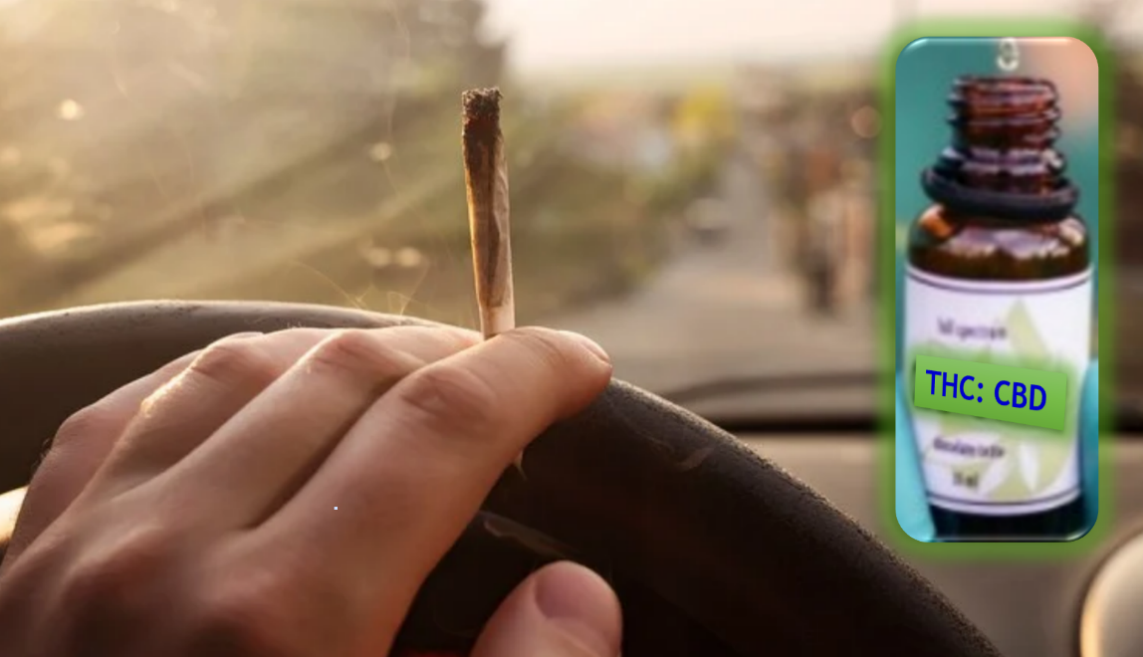
There are numerous other medications that have drowsiness and slowed breathing as a side effect.
Excess sedation is also possible when combining cannabinoids with alcohol—which can also be sedating and cause slow breathing—especially when combined with other sedating products.
The list of supplements that could cause sedation and potentially interact with cannabinoids is very long and includes:
- 5-HTP
- ashwagandha
- bacopa
- black seed
- California poppy
- tryptophan
- chamomile
- gotu kola
- hops
- Jamaican dogwood
- kava kava
- lavender
- lemon balm
- magnolia
- melatonin
- passion flower
- progesterone-based products
- rhodiola
- saffron
- skullcap
- valerian
- wild cherry
- wormwood
- tianeptine (a dangerous drug sold as a supplement).
This is not a complete list of all supplements and substances that can cause sedation.
Taking cannabinoids with any other substance that can cause a sedating effect could negatively impact the ability to drive or operate heavy machinery.
Cannabinoid Side Effects
Common Side Effects
No matter whether smoked, vaped or by mouth, the following are the most common side effects, according to the NatMed Pro expert panel: “Dizziness, dry mouth, fatigue, headache, increased appetite, nausea, paranoid and dissociative thinking, and sedation. Intoxicating doses can impair declarative memory, motor coordination, reaction time, and visual perceptions for up to 8 hours.” 2 When inhaled, upper respiratory symptoms including wheeze and cough are common side effects.
Serious Side Effects
No matter whether smoked, vaped or by mouth, the following are the serious side effects—all of which are rare—according to the NatMed Pro expert panel: “Higher doses of cannabis might cause acute coronary syndrome, arrhythmias, myocarditis, blood pressure changes, cannabinoid hyperemesis syndrome (CHS), hallucinations, pancreatitis, panic, psychosis, and seizures.” 3 When inhaled, it can rarely cause upper respiratory side effects including acute eosinophilic pneumonia and injury to the lungs.
An analysis and review of 79 studies including 6462 participants found common adverse events including: “balance problems, confusion, dizziness, disorientation, diarrhea, euphoria, drowsiness, dry mouth, fatigue, hallucination, nausea, somnolence, and vomiting.” 4 This study did not find differences in side-effects of different cannabinoid combinations.
The researchers could not determine if cannabinoids cause any long-term adverse events (side-effects) because none of the studies in their review looked for long-term side-effects. 5
Different cannabinoid combinations did not result in different side-effect profiles, a 2021 analysis and review of 46 studies including 6,216 participants found. 6
The most commonly reported side-effects of THC-CBD combination studies “suggested significantly higher incidence rate of nausea, vomiting, dry mouth, dizziness/light-headedness, somnolence/drowsiness, disorientation, fatigue, and visual symptoms.” 7
The most commonly reported side effects for THC studies “suggested significantly higher incidence rate of dry mouth, dizziness/light-headedness, mobility/balance/coordination difficulties, somnolence/drowsiness, euphoria, and male impotence.” 8
Based on low-quality studies, “CBD alone did not increase the incidence of all-cause AEs [adverse events]” compared to controls, the study showed. 9
Side Effects Associated with Pure CBD
The most commonly reported side-effects of prescription, pure CBD (Epidiolex) are: “somnolence in up to 30% of patients and diarrhea in up to 24% of patients. Also, decreased appetite, drowsiness, dry mouth, fatigue, pyrexia [elevation of core body temperature], vomiting, and weight loss. Higher doses over 15-20 mg/kg daily are more likely to cause somnolence, decreased appetite, diarrhea, liver enzyme elevations, and weight loss. Pharmacogenetic variation [genetic factors on reactions to drugs] may also affect susceptibility to certain adverse effects, particularly diarrhea, sedation, and abnormal liver enzyme levels,” according to NatMed Pro. 10
Side Effects Associated with Pure THC
There’s limited information on the side effects of pure THC. The side effects of the following two laboratory-produced, pure-THC drugs were analyzed in a systematic review of multiple clinical studies. The most commonly reported side-effects of a synthetic derivation of THC, nabilone, are: drowsiness, vertigo, dry mouth, euphoria, concentration difficulties, and problems with balance and coordination. 11
The most commonly reported side-effects of the synthetic-THC-drug dronabinol are: dizziness, euphoria, nausea, paranoia, sleepiness, abnormal thinking, vomiting and abdominal pain. 12
The above is not a complete list of all possible side effects, drug and supplement interactions of cannabinoids. Always consult a qualified healthcare provider before taking any supplements including those which contain cannabinoids.
Links below provide more details about side effects and other precautions related to prescription cannabinoid drugs:
To find out about drug interactions and precautions of pure CBD, click link below:
To find out more about our services, click link below:
Links to more information on cannabinoids (CBD & THC):
Cannabinoids: Anxiety, Depression & Sleep
Are cannabinoids effective for sleep?
Are cannabinoids effective for anxiety?
Cannabinoid: Depression & Inflammation
How Safe are Inhaled Cannabinoids?
CBD: Precautions & Drug Interactions
CBD: Is there a sweet spot for dosing?
Care informed by the understanding that emotional and physical wellbeing are deeply connected.
________________________________________________________________________________________________________________
By using MoodChangeMedicine.com, you agree to accept this website’s terms of use, which can be viewed here.
Citations
- Robbers JE, Speedie MK, Tyler VE. “Pharmacognosy and Pharmacobiotechnology.” Baltimore, MD: Williams & Wilkins. 1996. ↩︎
- “Cannabidiol (CBD) Monograph” NatMed Pro Therapeutic Research Center database current through: Jan 31, 2024. Last modified Sept. 30, 2023. accessed March 2024 ↩︎
- “Cannabidiol (CBD) Monograph” NatMed Pro Therapeutic Research Center database current through: Jan 31, 2024. Last modified Sept. 30, 2023. accessed March 2024 ↩︎
- Whiting PF, Wolff RF, Deshpande S, et al. “Cannabinoids for Medical Use: A Systematic Review and Meta-analysis.” JAMA. 2015;313(24):2456–2473. doi:10.1001/jama.2015.6358 PubMed 26103030. ↩︎
- Whiting PF, Wolff RF, Deshpande S, et al. “Cannabinoids for Medical Use: A Systematic Review and Meta-analysis.” JAMA. 2015;313(24):2456–2473. doi:10.1001/jama.2015.6358 PubMed 26103030. ↩︎
- Velayudhan L, McGoohan K, Bhattacharyya S. “Safety and tolerability of natural and synthetic cannabinoids in adults aged over 50 years: A systematic review and meta-analysis.” PLoS Med. 2021;18(3):e1003524. View abstract. ↩︎
- Velayudhan L, McGoohan K, Bhattacharyya S. “Safety and tolerability of natural and synthetic cannabinoids in adults aged over 50 years: A systematic review and meta-analysis.” PLoS Med. 2021;18(3):e1003524. View abstract. ↩︎
- Velayudhan L, McGoohan K, Bhattacharyya S. “Safety and tolerability of natural and synthetic cannabinoids in adults aged over 50 years: A systematic review and meta-analysis.” PLoS Med. 2021;18(3):e1003524. View abstract. ↩︎
- Velayudhan L, McGoohan K, Bhattacharyya S. “Safety and tolerability of natural and synthetic cannabinoids in adults aged over 50 years: A systematic review and meta-analysis.” PLoS Med. 2021;18(3):e1003524. View abstract. ↩︎
- “Cannabidiol (CBD) Monograph” NatMed Pro Therapeutic Research Center database current through: Jan 31, 2024. Last modified Sept. 30, 2023. accessed March 2024 ↩︎
- Bajtel Á, Kiss T, Tóth B, Kiss S, Hegyi P, Vörhendi N, Csupor-Löffler B, Gede N, Hohmann J, Csupor D. “The Safety of Dronabinol and Nabilone: A Systematic Review and Meta-Analysis of Clinical Trials.” Pharmaceuticals (Basel). 2022 Jan 14;15(1):100. doi: 10.3390/ph15010100. PMID: 35056154; PMCID: PMC8778752. ↩︎
- Bajtel Á, Kiss T, Tóth B, Kiss S, Hegyi P, Vörhendi N, Csupor-Löffler B, Gede N, Hohmann J, Csupor D. “The Safety of Dronabinol and Nabilone: A Systematic Review and Meta-Analysis of Clinical Trials.” Pharmaceuticals (Basel). 2022 Jan 14;15(1):100. doi: 10.3390/ph15010100. PMID: 35056154; PMCID: PMC8778752. ↩︎

 Mood Change Medicine
Discussion
No comments yet.