By using MoodChangeMedicine.com, you agree to accept this website’s terms of use, which can be viewed here.
May 21, 2024
By Joie Meissner ND, BCB-L
Cannabinoids are naturally occurring constituents in the cannabis plant, also known as marijuana. There are over 100 types of cannabinoids found in the cannabis plant—delta-9 tetrahydrocannabinol (THC) and cannabidiol (CBD) are two major cannabinoids. 1
The National Institutes of Health has published a lengthy list of potential safety concerns surrounding cannabis Including:
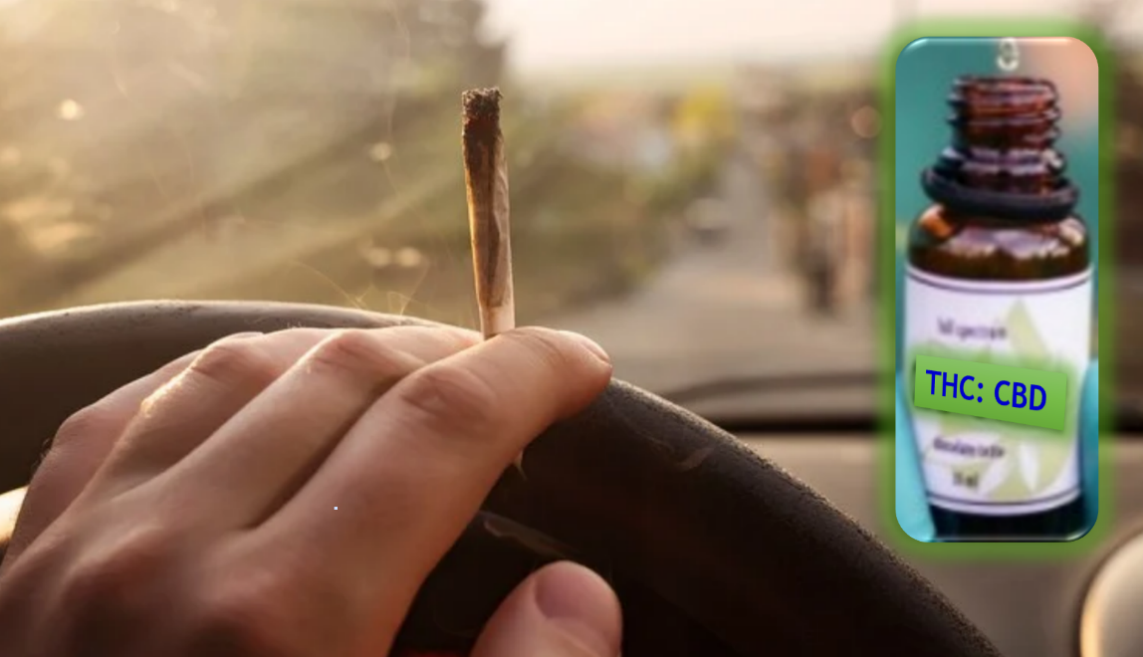
- Increased risk of motor vehicle crashes,
- Dizziness on standing up and possible fainting and falls,
- Cardiovascular effects like altering blood pressure and increasing heart rate,
- A link between smoking cannabis during pregnancy and lower birth weight in babies,
- Increased risk of injury in older adults,
- Use has been linked to a higher risk of developing psychoses in people who are predisposed to such illnesses, including schizophrenia,
- Cannabis can be prepared in candies which poses a risk to children. It is important to store cannabis in a child-proof container, and
- Cannabis use was associated with increased risks of suicidal thoughts and suicide attempts in a 2021 National Institute of Drug Abuse survey of young adults age 18 – 35. 2
Cannabinoids, including THC and CBD, potentially reduce the safety and effectiveness of anesthetics used in surgery and barbiturates used pre-operatively.
In people experiencing psychotic symptoms, THC or a THC/CBD mix could worsen those symptoms. 3 Young adults who smoked high potency cannabis (more than 10% THC) were more likely to have anxiety as compared to people smoking less potent pot, a 2020 observational study found. 4
Higher doses of cannabis might cause acute coronary syndrome, myocarditis, and heart arrhythmias, according to a NatMed Pro expert panel. 5 Such doses might also cause pancreatitis.
Numerous other rare cardiovascular adverse events have been reported in the literature.
Daily cannabis users can experience dependence and withdrawal symptoms.
“Cessation of cannabis may precipitate cannabis withdrawal syndrome in up to 47% of regular users, the severity of which depends on the frequency and quantity of cannabis use prior to cessation, according to experts.” 6, 7
THC-containing products carry a risk of dependence and unpleasant withdrawal effects. The early phase of withdrawal from marijuana is usually characterized by insomnia, irritability, decreased appetite, shakiness and, less often, sweating and chills. These early symptoms are most likely to peak at days 2–6. 8
“Intoxicating doses of cannabis impair reaction time, motor coordination, declarative memory, and visual perceptions, and can also produce panic reactions and other emotional disturbances,” according to the NatMedPro expert panel. “An individual’s driving ability can be impaired for up to 8 hours.” 9
The above is not an exhaustive list of all possible adverse effects of taking cannabinoids. Always consult a qualified healthcare provider before stopping or starting any medications or substances including cannabinoid products.
Cannabinoids Can Interact with Medical Conditions
- Unipolar depression—medical and non-medical cannabis use was found to have an association with worsened depressive symptoms and increase thoughts of suicidal. 10
- Bipolar disorder—cannabis use was found to have an association with worsening manic symptoms, a three-fold increase in the risk of new mania symptoms. 11, 12
- Schizophrenia—cannabis use is associated with 6% to 24% increased risk of psychosis in people with schizophrenia, with those at the highest risk having the highest rates of developing psychotic symptoms. 13 Increased risk of developing psychosis is also linked to persons with family history of schizophrenia. 14
- Cardiovascular diseases—Smoking cannabis “is associated with adverse cardiovascular outcomes, with heavier use (more days per month) associated with higher odds of adverse outcomes,” a 2024 study found. 15
- Diabetes—”There is concern that cannabis can worsen glycemic control and complications of diabetes,” according to the NatMed Pro expert panel. 16
The above is not an exhaustive list of all possible medical conditions that pose risks when taking cannabinoids. Always consult a qualified healthcare provider before taking cannabinoid products.
To find out about some of cannabinoid’s side effects and possible drug and supplement interactions, click link below:
Links to more information on cannabinoids (CBD & THC):
Cannabinoids: Anxiety, Depression & Sleep
Are cannabinoids effective for sleep?
Are cannabinoids effective for anxiety?
Cannabinoid: Depression & Inflammation
How Safe are Inhaled Cannabinoids?
Side Effects, Drug & Supplement Interactions
CBD: Precautions & Drug Interactions
CBD: Is there a sweet spot for dosing?
Care informed by the understanding that emotional and physical wellbeing are deeply connected
________________________________________________________________________________________________________________
By using MoodChangeMedicine.com, you agree to accept this website’s terms of use, which can be viewed here.
Citations
- Robbers JE, Speedie MK, Tyler VE. “Pharmacognosy and Pharmacobiotechnology.” Baltimore, MD: Williams & Wilkins. 1996. ↩︎
- Han B, Compton WM, Einstein EB, Volkow ND. “Associations of Suicidality Trends With Cannabis Use as a Function of Sex and Depression Status.” JAMA Network Open. 2021. DOI: 10.1001/jamanetworkopen.2021.13025. ↩︎
- Schoeler T, Monk A, Sami MB, et al. “Continued versus discontinued cannabis use in patients with psychosis: a systematic review and meta-analysis.” Lancet Psychiatry. 2016;3(3):215-25. View abstract. ↩︎
- Hines LA, Freeman TP, Gage SH, et al. “Association of High-Potency Cannabis Use With Mental Health and Substance Use in Adolescence.” JAMA Psychiatry. 2020;77(10):1044-1051. View abstract. ↩︎
- “Cannabidiol (CBD) Monograph” NatMed Pro Therapeutic Research Center database current through: Jan 31, 2024. Last modified Sept. 30, 2023. accessed March 2024 ↩︎
- “Cannabidiol (CBD) Monograph” NatMed Pro Therapeutic Research Center database current through: Jan 31, 2024. Last modified Sept. 30, 2023. accessed March 2024 ↩︎
- Bahji A, Stephenson C, Tyo R, Hawken ER, Seitz DP. “Prevalence of Cannabis Withdrawal Symptoms Among People With Regular or Dependent Use of Cannabinoids: A Systematic Review and Meta-analysis.” JAMA Netw Open. 2020;3(4):e202370. View abstract. ↩︎
- Connor JP, Stjepanović D, Budney AJ, Le Foll B, Hall WD. “Clinical management of cannabis withdrawal.” Addiction. 2022 Jul;117(7):2075-2095. doi: 10.1111/add.15743. Epub 2022 Jan 10. PMID: 34791767; PMCID: PMC9110555 ↩︎
- “Cannabidiol (CBD) Monograph” NatMed Pro Therapeutic Research Center database current through: Jan 31, 2024. Last modified Sept. 30, 2023. accessed March 2024 ↩︎
- Bahorik AL, Sterling SA, Campbell CI, Weisner C, Ramo D, Satre DD. “Medical and non-medical marijuana use in depression: Longitudinal associations with suicidal ideation, everyday functioning, and psychiatry service utilization.” J Affect Disord. 2018;241:8-14. View abstract. ↩︎
- Gibbs M, Winsper C, Marwaha S, et al. “Cannabis use and mania symptoms: a systematic review and meta-analysis.” J Affect Disord. 2015;171:39-47. View abstract. ↩︎
- Zorrilla I, Aguado J, Haro JM, et al. “Cannabis and bipolar disorder: does quitting cannabis use during manic/mixed episode improve clinical/functional outcomes?” Acta Psychiatr Scand. 2015;131(2):100-10. View abstract. ↩︎
- Henquet C, Krabbendam L, Spauwen J, et al. “Prospective cohort study of cannabis use, predisposition for psychosis, and psychotic symptoms in young people.” BMJ. 2005;330(7481):11. View abstract. ↩︎
- Semple DM, McIntosh AM, Lawrie SM. “Cannabis as a risk factor for psychosis: systematic review.” J Psychopharmacol. 2005;19(2):187-94. View abstract. ↩︎
- Jeffers AM, Glantz S, Byers AL, Keyhani S. “Association of Cannabis Use With Cardiovascular Outcomes Among US Adults.” J Am Heart Assoc. 2024 Mar 5;13(5):e030178. doi: 10.1161/JAHA.123.030178. Epub 2024 Feb 28. PMID: 38415581. ↩︎
- “Cannabidiol (CBD) Monograph” NatMed Pro Therapeutic Research Center database current through: Jan 31, 2024. Last modified Sept. 30, 2023. accessed March 2024 ↩︎

 Mood Change Medicine
Discussion
No comments yet.