By using MoodChangeMedicine.com, you agree to accept this website’s terms of use, which can be viewed here.
May 22, 2024
By Joie Meissner ND, BCB-L
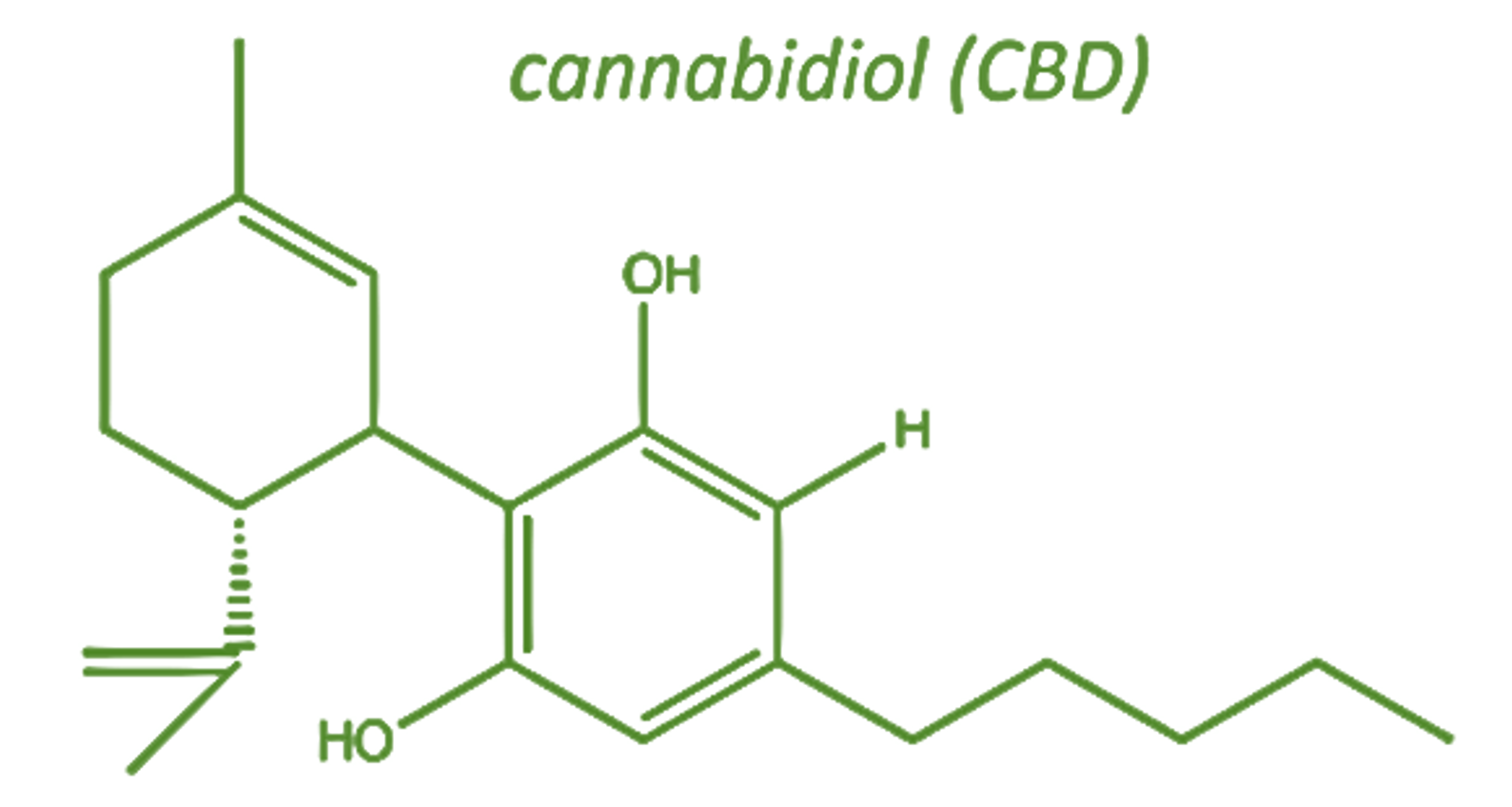
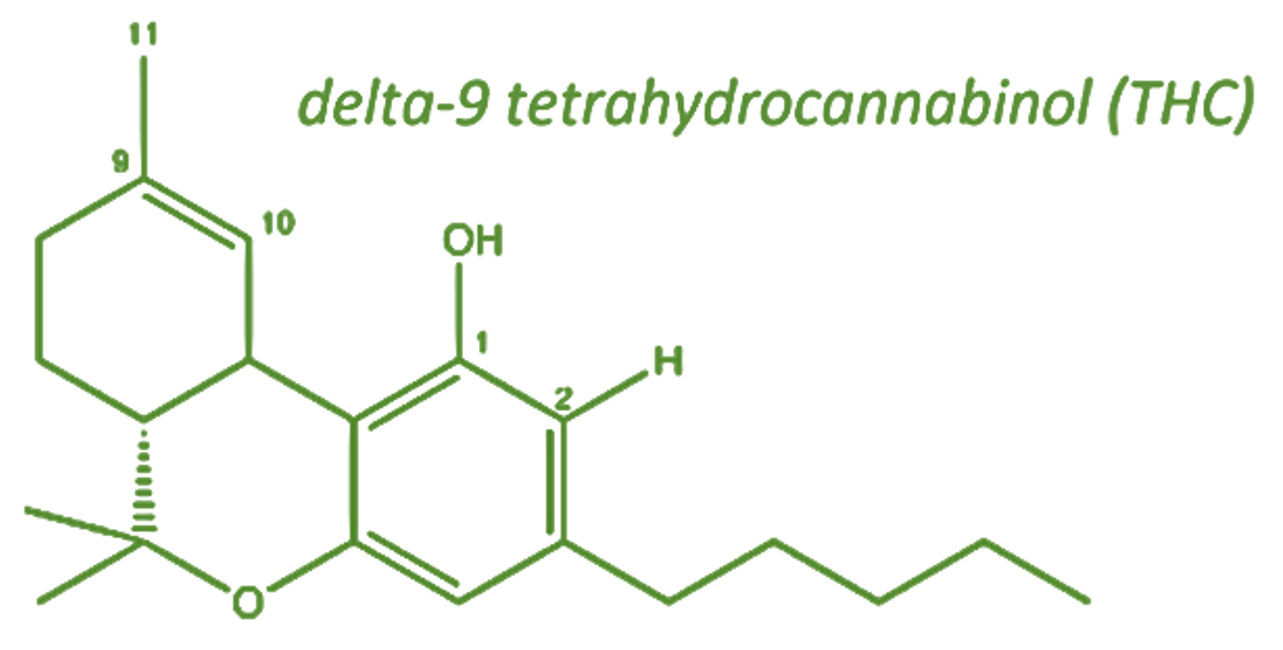
Cannabinoids are naturally occurring constituents in the cannabis plant, also known as marijuana. There are over 100 types of cannabinoids found in the cannabis plant—delta-9 tetrahydrocannabinol (THC) and cannabidiol (CBD) are two major cannabinoids. 1
CBD is marketed in foods, oils, tinctures, capsules, gummies, salves, lotions, cosmetics and inhaled products.
Different products may produce different effects. Full-spectrum CBD products contain all the naturally-occurring compounds found in the cannabis plant. These include THC, other cannabinoids, terpenes, and flavonoids. Retaining all these components of the natural cannabis plant is believed to create a theoretical “entourage effect” enhancing CBD’s potential beneficial effects.
Some products called CBD isolate are essentially pure CBD and contain 99% or more of the compound in isolated form.
Terpenes have strong anti-inflammatory effects. 2, 3, 4 Research in animals is underway investigating how anti-inflammatory terpenes might work to decrease anxiety. 5

CBD might promote an antidepressant effect in animals by boosting a substance called brain-derived neurotrophic factor (BDNF)—a substance linked to better mental health that helps restore inflammatory damage and enhance neuroplasticity, a 2019 scientific review found. 6
Some full-spectrum CBD products can contain a lot of THC per dropper and some contain a low dose that might not even produce a “high.” CBD products which contain THC may be hazardous when operating machinery or driving.
Some other CBD products also contain a broad array of other cannabinoids, terpenes, flavonoids and essential oils, but no THC. They are sometimes referred to as “broad spectrum” or “wide spectrum.”
Different dosing regimens and different forms may produce different results. For example, it can take edible products 1 to 3 hours or more after consumption to take effect, which may last 6 to 8 hours or longer. Sublingual dosing of tinctures or oils, which bypass the digestive system, generally taking effect in about 15 to 45 minutes or more.
Careful attention needs to be paid to dosing which varies from individual to individual. Special cautions are warranted in the dosing of edible products, not only because of the delay in the manifestation of their effects but also because of confusing labeling of cannabis products.
This information about CBD products marketed to consumers is not a substitute for medical advice. Always consult a qualified healthcare provider before taking CBD or other supplements and for any other medical advice.
To find out how more about our services, click link below:
Links to more information on cannabinoids (CBD & THC):
Cannabinoids: Anxiety, Depression & Sleep
Are cannabinoids effective for sleep?
Are cannabinoids effective for anxiety?
Cannabinoid: Depression & Inflammation
How Safe are Inhaled Cannabinoids?
Side Effects & Drug Interactions
CBD: Precautions & Drug Interactions
Care informed by the understanding that emotional and physical wellbeing are deeply connected
________________________________________________________________________________________________________________
By using MoodChangeMedicine.com, you agree to accept this website’s terms of use, which can be viewed here.
Citations
- Robbers JE, Speedie MK, Tyler VE. “Pharmacognosy and Pharmacobiotechnology.” Baltimore, MD: Williams & Wilkins. 1996. ↩︎
- Oláh A, Tóth BI, Borbíró I, Sugawara K, Szöllõsi AG, et al. “Cannabidiol exerts sebostatic and antiinflammatory effects on human sebocytes.” J Clin Invest. Sep. 2014. PubMed 25061872 ↩︎
- Philpott HT, OʼBrien M, McDougall JJ. “Attenuation of early phase inflammation by cannabidiol prevents pain and nerve damage in rat osteoarthritis.” Pain. Dec. 2017. PubMed 28885454 ↩︎
- Del Prado-Audelo ML, Cortés H, Caballero-Florán IH, González-Torres M. et al. “Therapeutic Applications of Terpenes on Inflammatory Diseases.” Front Pharmacol. 2021. Aug 13;12:704197. doi: 10.3389/fphar.2021.704197. PMID: 34483907; PMCID: PMC8414653. ↩︎
- Andréa L. Johnson, Ryan Verbitsky, James Hudson, Rachel Dean, Trevor J. Hamilton, “Cannabinoid type-2 receptors modulate terpene induced anxiety-reduction in zebrafish.” Biomedicine & Pharmacotherapy. 2023. Vol. 168, 2023, 115760, ISSN 0753-3322, doi: j.biopha.2023.115760. (sciencedirect) ↩︎
- Gabriela Pandini Silote, Ariandra Sartim, Amanda Sales, Amanda Eskelund, F.S. Guimarães, Gregers Wegener, Samia Joca. “Emerging evidence for the antidepressant effect of cannabidiol and the underlying molecular mechanisms.” Journal of Chemical Neuroanatomy. 2019. ↩︎

 Mood Change Medicine
Discussion
No comments yet.