By using MoodChangeMedicine.com, you agree to accept this website’s terms of use, which can be viewed here.

May 22, 2024
By Joie Meissner ND, BCB-L
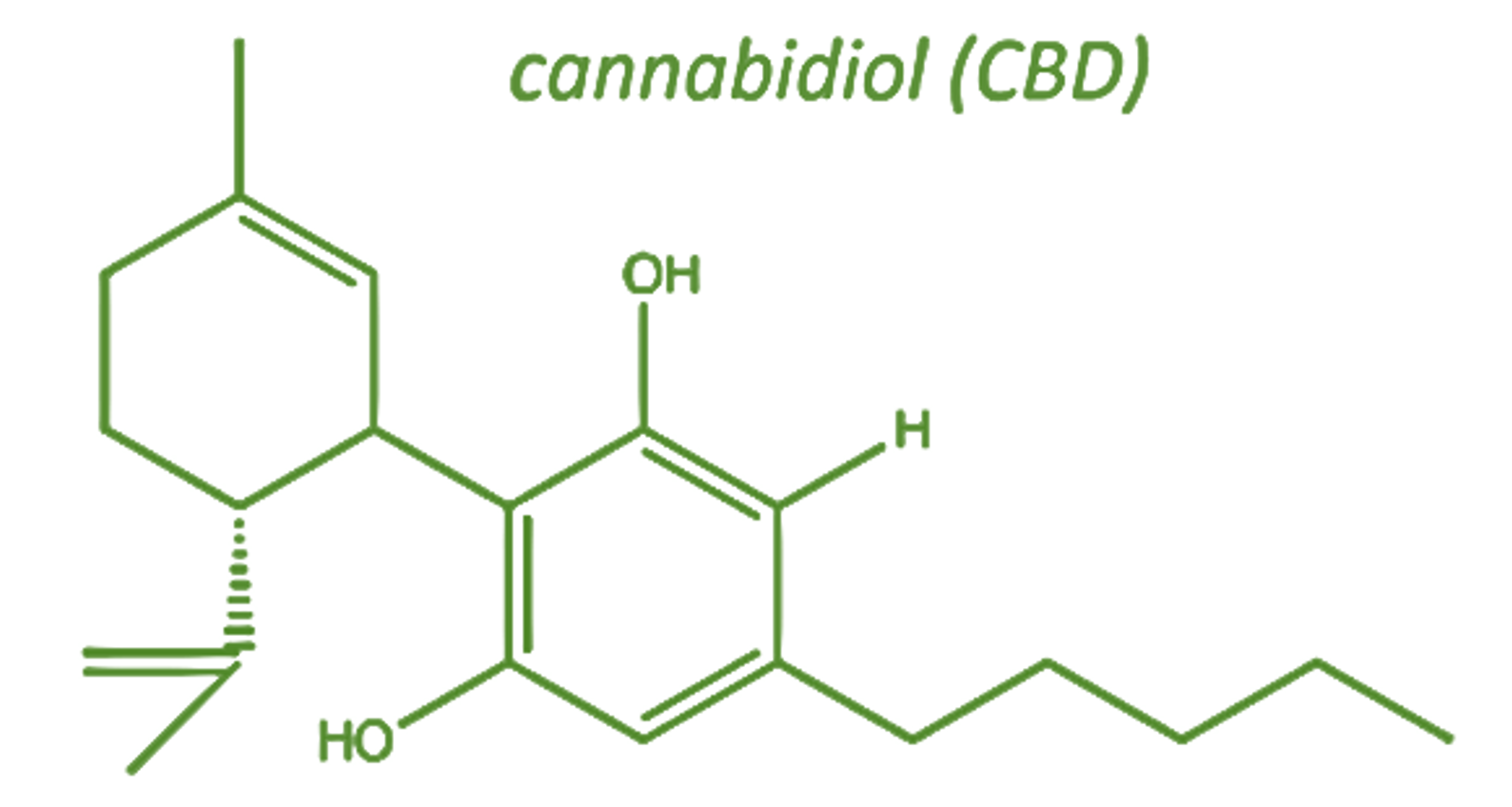
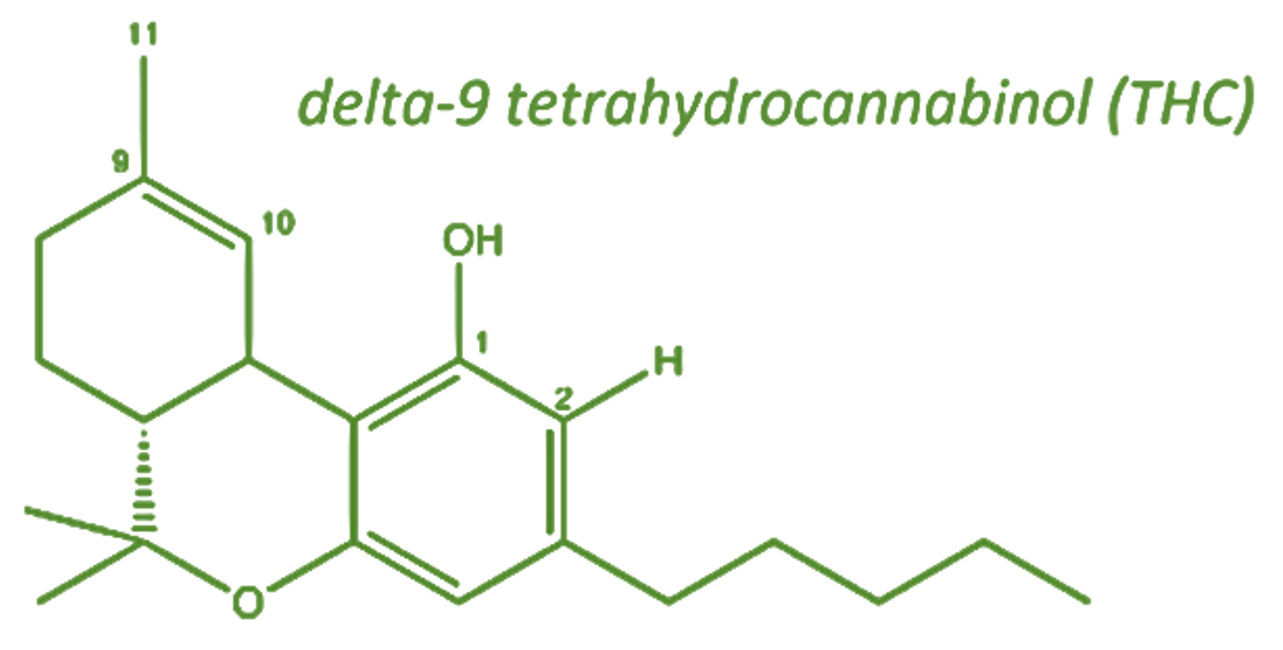
Cannabinoids are naturally occurring constituents in the cannabis plant, also known as marijuana. There are over 100 types of cannabinoids found in the cannabis plant—delta-9 tetrahydrocannabinol (THC) and cannabidiol (CBD) are two major cannabinoids. 1
The pharma industry—now poised to cash in on the CBD market—is doing research trials to determine the effective dosage. Interestingly, and perhaps counter-intuitively, research shows the efficacy of CBD isolate (pure CBD) follows an upside-down, U-shaped, dose-response pattern. English translation: There’s a sweet spot for dosing in CBD—higher or lower doses aren’t as effective as those in the middle of the dosage range.
One of the studies gave different dosages of pure CBD to people with social anxiety before they were stressed by having to do public speaking. 2
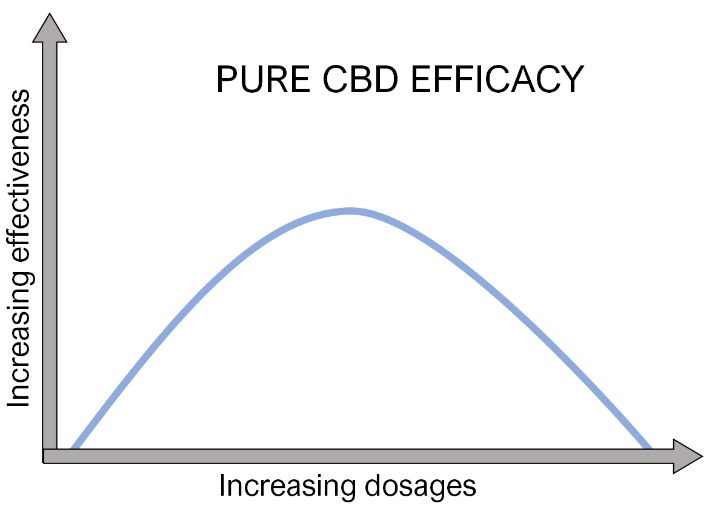
As the dosages were ramped up, the researchers confirmed that “CBD induced anxiolytic effects” following an inverted, U-shaped curve, which is another way of saying that anxiety decreased as the dosage went up to a certain point and then, as the dosage continued to increase, CBD stopped working and anxiety increased again. 3
However, this sweet-spot, dose-effectiveness model doesn’t appear to hold for full-spectrum CBD products, which contain CBD, THC and other constituents of the cannabis plant. One of the goals of a Harvard study using full-spectrum CBD in the treatment of moderate to severe anxiety was to see if it affected cognition: that is, was it mind altering given that it contained a small amount of THC. In stage one of the study, there were “no reported intoxication or serious adverse events.” 4
Given that certain dosages of THC can cause anxiety,5 it wouldn’t be surprising to researchers that a full-spectrum CDB that contains THC could follow a different dose-response pattern than the inverted U-shaped curve of pure CBD.
Because anxiety and inflammation are correlated, it is interesting to find out what happened when researchers gave mice full-spectrum CBD containing small amounts of THC. The full-spectrum product “overcame” the U-shaped, dose-response in a test of its anti-inflammatory effects. The CBD that contained small amounts of THC followed a dose-response that was more like a straight line with increasing doses causing increasing anti-inflammatory effects. 6

The more full-spectrum CBD the mice got, the less inflammation they had. “It is likely that other components in the extract synergize with CBD to achieve the desired anti-inflammatory action that may contribute to overcoming the bell-shaped dose-response of purified CBD”, the researchers concluded. 7
Whether findings of full-spectrum CBD’s anti-inflammatory effects in mice hold true for anxious humans has yet to be determined. But we can still say that if one is taking pure CBD, higher doses are not necessarily more effective than lower doses. There likely is a sweet spot for pure CBD for anxiety.
And then there may be different genetics in play regarding how each person processes CBD and maybe also THC. CBD affects the very liver enzymes that process it and each person has genetic differences in the forms of these enzymes.
One also has to consider the formulation when dosing products with significant amounts of THC. For example, edible products take a lot of time before their effects become apparent. It is easy to take too much of an edible product because of not allowing a adequate amount of time for the products to take effect.
What this tells us is that optimal dosing of CBD formulations is not straight forward. It likely requires cautious dosing strategies on a case-by-case basis. The words start low and go slow are often discussed by those in the industry.
The above description of how CBD works in the body may not hold in every case. Always consult a qualified healthcare provider before taking CBD or any other supplement.
To find out about the variety of CBD products marketed to consumers, click link below:
Links to more information on cannabinoids (CBD & THC):
Cannabinoids: Anxiety, Depression & Sleep
Are cannabinoids effective for sleep?
Are cannabinoids effective for anxiety?
Cannabinoid: Depression & Inflammation
How Safe are Inhaled Cannabinoids?
Side Effects & Drug Interactions
CBD: Precautions & Drug Interactions
Care informed by the understanding that emotional and physical wellbeing are deeply connected
________________________________________________________________________________________________________________
By using MoodChangeMedicine.com, you agree to accept this website’s terms of use, which can be viewed here.
Citations
- Robbers JE, Speedie MK, Tyler VE. “Pharmacognosy and Pharmacobiotechnology.” Baltimore, MD: Williams & Wilkins. 1996. ↩︎
- Zuardi AW, Rodrigues NP, Silva AL, Bernardo SA, Hallak JEC, Guimarães FS, Crippa JAS “Inverted U-Shaped Dose-Response Curve of the Anxiolytic Effect of Cannabidiol during Public Speaking in Real Life” Front Pharmacol. May 2017. ↩︎
- Zuardi AW, Rodrigues NP, Silva AL, Bernardo SA, Hallak JEC, Guimarães FS, Crippa JAS “Inverted U-Shaped Dose-Response Curve of the Anxiolytic Effect of Cannabidiol during Public Speaking in Real Life” Front Pharmacol. May 2017. ↩︎
- Dahlgren MK, Lambros AM, Smith RT, Sagar KA, El-Abboud C, Gruber SA. “Clinical and cognitive improvement following full-spectrum, high-cannabidiol treatment for anxiety: open-label data from a two-stage, phase 2 clinical trial.” Commun Med (Lond). 2022 Nov 2;2(1):139. doi: 10.1038/s43856-022-00202-8. PMID: 36352103; PMCID: PMC9628346. ↩︎
- Greydanus, D.E., Hawver, E.K., Greydanus, M.M. and Merrick, J. “Marijuana: Current Concepts.” Frontiers in Public Health. 1, 42. 2013 doi.org/10.3389/fpubh.2013.00042 ↩︎
- Gallily R, Yekhtin Z, Hanuš LO. “Overcoming the bell-shaped dose-response of cannabidiol by using cannabis extract enriched in cannabidiol.” Pharmacol. Pharm. 2015;06:75–85. doi: 10.4236/pp.2015.62010. [CrossRef] [Google Scholar] ↩︎
- Gallily R, Yekhtin Z, Hanuš LO. “Overcoming the bell-shaped dose-response of cannabidiol by using cannabis extract enriched in cannabidiol.” Pharmacol. Pharm. 2015;06:75–85. doi: 10.4236/pp.2015.62010. [CrossRef] [Google Scholar] ↩︎

 Mood Change Medicine
Discussion
No comments yet.