By using MoodChangeMedicine.com, you agree to accept this website’s terms of use, which can be viewed here.
May 22, 2024
By Joie Meissner ND, BCB-L
There are over 100 types of cannabinoids found in the cannabis plant—delta-9 tetrahydrocannabinol (THC) and cannabidiol (CBD) are two major cannabinoids. 1
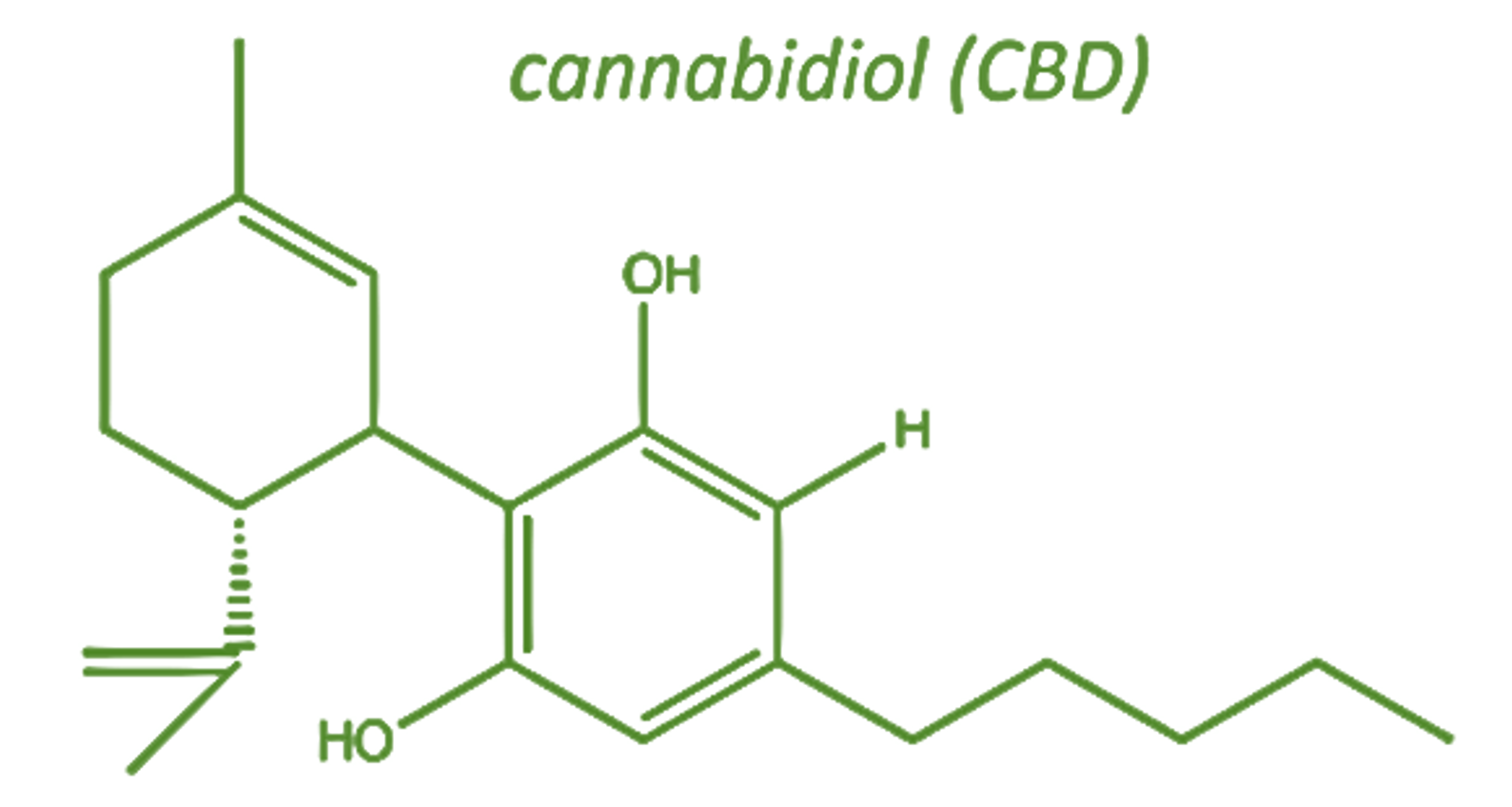
CBD products may contain THC. The safety profile of THC-containing products is significantly different than that for pure CBD. For example, products labeled “full-spectrum CBD” may contain variable amounts of THC as well as CBD.
For information about safety and efficacy of such products see below links that include the word “cannabinoids” as this term encompasses both CBD and THC.
Pure CBD products appear to have fewer risks than those containing THC (especially high amounts of THC). That said, taking CBD is not risk-free. Below are a few of the risks linked to taking CBD. A more detailed discussion of the risks associated with pure CBD can be found here.
CBD Precautions
CBD use in infants, children and during pregnancy and breastfeeding is risky. In animals, high doses of CBD have caused negative effects on developing fetuses, including on the reproductive organs of male offspring. 2, 3 It is not known if this happens in humans when using lower dose products, or if CBD is passed into breast milk, or what impact it could have on the developing brains of infants and children.
For more information see: FDA Consumer Updates: What You Should Know About Using Cannabis, Including CBD, When Pregnant or Breastfeeding
There are other theoretical risks of CBD interaction with medical conditions like Parkinson’s disease, glaucoma and people with severe liver impairments.
Theoretically, CBD may worsen intraocular pressure in some patients with ocular hypertension or wide-angle glaucoma.
Theoretically, cannabidiol may worsen decreased spontaneous movement and resting tremor—symptoms of Parkinson disease in some patients. 4
Patients with mild to severe liver impairment taking a specific, oil-based solution of CBD (Epidiolex) 200 mg had higher blood levels of cannabidiol when compared with patients with normal liver function. 5 A more detailed discussion of the risks associated with Epidiolex and other pure CBD formulations can be found here.
This is not an all-inclusive list of medical conditions for which CBD might interact with. All possible interactions with CBD are not known. Consult a physician before taking cannabinoids including pure CBD.
Drug & Supplement Interactions with CBD
CBD has numerous potential interactions with drugs and supplements. When used in combination with certain substances like caffeine, alcohol, medications and other supplements, CBD can change blood levels of these other substances. For example, taking CBD with the anti-seizure drug Briviact can increase its blood levels from 95% to 280%. 6
CBD might interact with a number of medications including:
Antiseizure medications like:
- brivaracetam (Briviact)
- rufinamide (Banzel)
- clobazam (Onfi)
- carbamazepine (Tegretol)
- divalproex sodium, valproate sodium, and valproic acid
- eslicarbazepine (Aptiom)
- stiripentol (Diacomit)
- topiramate (Topamax)
- zonisamide (Zonegran)
Immunosuppressive/anti-organ transplant rejection drugs like:
- sirolimus (Rapamune)
- tacrolimus (Prograf)
Blood thinners like warfarin (Coumadin)
Chemotherapy drugs like:
- everolimus (Zortress) CBD might increase everolimus levels
- tamoxifen (Nolvadex)— CBD might modestly reduce levels of tamoxifen
Antidepressants, mood stabilizers and stimulants like:
- citalopram (Celexa)
- fluoxetine (Prozac)
- lithium
- caffeine
Pain relieving medications like methadone (Dolophine)
Because CBD affects liver enzymes it theoretically could interact with other drugs not listed above. Drug.com may list a few more potential interactions but it may not list all of potential interactions.
The above is not an all-inclusive list of drugs for which CBD might interact with. All possible interactions with CBD are not known. CBD might dangerously increase or decrease levels of numerous other drugs not listed above. Consult a physician before stopping or starting medications or CBD.
CBD can act as a sedative and like other sedatives, it might cause slowed breathing and sleepiness. Use of sedatives can make it hazardous to drive or operate machinery.
Theoretically, CBD might have additive effects when used with sedating medications or other products with sedative properties. Many pharmaceuticals cause sedation—sometimes intentionally, sometimes as a side effect. Some of these drugs carry their own health risks that have nothing to do with combining them with other medications. CBD may interact with sedating medications such as the drugs discussed below.
Examples of Sedating Medications & Substances:
Sleeping pills like Ambien and Lunesta, called z-drugs, as well as anti-anxiety drugs like Ativan and Xanax, called benzodiazepenes, are prescribed for these purposes. These drugs are extremely sedating, can be addictive if used regularly and are associated with number of serious health risks including potentially life-threatening withdrawal symptoms if abruptly discontinued. Always consult a qualified healthcare professional such as a physician before starting or stopping any medications.
The antihistamine diphenhydramine is a very common ingredient in over-the-counter (OTC) sleep aids like Nytol and Sominex, as well as in OTC allergy medications like Benadryl and in OTC pain medications like Advil PM (as of February 2024). Diphenhydramine use has been linked to dementia and Alzheimer’s Disease. 7 And the FDA warns of very serious side effects and possibly death if diphenhydramine is taken beyond recommended doses.

There are numerous other medications and substances that can have drowsiness and slowed breathing as a side effect and combinations with CBD could create additive sedative effects.
Excess sedation is also possible when combining CBD with other substances and supplements that have sedative properties. Alcohol can also be sedating and cause slow breathing, especially when combined with other sedating products.
The list of supplements that could cause sedation is very long and includes:
- 5-HTP
- ashwagandha
- bacopa
- black seed
- California poppy
- tryptophan
- chamomile
- gotu kola
- hops
- Jamaican dogwood
- kava kava
- lavender
- lemon balm
- magnolia
- melatonin
- passion flower
- progesterone-based products
- rhodiola
- saffron
- skullcap
- valerian
- wild cherry
- wormwood
- tianeptine (a dangerous drug sold as a supplement).
This is not a complete list of all supplements and substances that can cause sedation.
Although “limited research suggests that cannabidiol does not cause driving impairment,” when taken on its own, according to NatMed Pro. 8 Taking CBD with any of these drugs, substances or supplements might enhance such drug affects, which could negatively impact the ability to drive or operate heavy machinery and cause excessive sleepiness or breathing problems.
The above is not a substitute for medical advice. The CBD interactions and precautions listed are not all-inclusive. Consult a qualified healthcare professional before starting or stopping any medications or supplements including CBD.
To find out about if CBD can lead to addiction or dependency, click link below:
Links to more information on cannabinoids (CBD & THC):
Cannabinoids: Anxiety, Depression & Sleep
Are cannabinoids effective for sleep?
Are cannabinoids effective for anxiety?
Cannabinoid: Depression & Inflammation
How Safe are Inhaled Cannabinoids?
Side Effects & Drug Interactions
CBD: Is there a sweet spot for dosing?


Care informed by the understanding that emotional and physical wellbeing are deeply connected
________________________________________________________________________________________________________________
By using MoodChangeMedicine.com, you agree to accept this website’s terms of use, which can be viewed here.
Citations
- Robbers JE, Speedie MK, Tyler VE. “Pharmacognosy and Pharmacobiotechnology.” Baltimore, MD: Williams & Wilkins. 1996. ↩︎
- Huestis MA, Solimini R, Pichini S, Pacifici R, Carlier J, Busardò FP. “Cannabidiol Adverse Effects and Toxicity.” Curr Neuropharmacol. 2019;17(10):974-989. ↩︎
- FDA Consumer Updates: What You Should Know About Using Cannabis, Including CBD, When Pregnant or Breastfeeding U. S. Food and Drug Administration (FDA). October 2019. ↩︎
- Consroe P, Sandyk R, Snider SR. “Open label evaluation of cannabidiol in dystonic movement disorders.” Int J Neurosci. 1986;30(4):277-82. View abstract. ↩︎
- Taylor L, Crockett J, Tayo B, Morrison G. A Phase 1, “Open-Label, Parallel-Group, Single-Dose Trial of the Pharmacokinetics and Safety of Cannabidiol (CBD) in Subjects With Mild to Severe Hepatic Impairment.” J Clin Pharmacol. 2019;59(8):1110-1119. View abstract. ↩︎
- Klotz KA, Hirsch M, Heers M, Schulze-Bonhage A, Jacobs J. “Effects of cannabidiol on brivaracetam plasma levels.” Epilepsia. 2019;60(7):e74-e77. View abstract. ↩︎
- Gray SL, Anderson ML, Dublin S, et al. “Cumulative Use of Strong Anticholinergics and Incident Dementia: A Prospective Cohort Study.” JAMA Intern Med. 2015;175(3):401–407. doi:10.1001/jamainternmed.2014.7663 JAMA 2091745 ↩︎
- “Cannabidiol (CBD) Monograph” NatMed Pro Therapeutic Research Center database current through: Jan 31, 2024. Last modified Sept. 30, 2023. accessed March 2024 ↩︎

 Mood Change Medicine
Discussion
No comments yet.