By using MoodChangeMedicine.com, you agree to accept this website’s terms of use, which can be viewed here.
May 26, 2024
By Joie Meissner ND, BCB-L
Interactions with Sedating Drugs & Supplements

Tryptophan can be sedating and like other sedatives, it might cause slowed breathing and sleepiness.
Use of sedatives can make it hazardous to drive or operate machinery. Theoretically, tryptophan might have additive effects when used with sedating medications or other products with sedative properties.
Many pharmaceuticals cause sedation—sometimes intentionally, sometimes as a side effect.
Such increased sedation might occur when taking tryptophan with sleeping pills like Ambien and Lunesta—z-drugs—as well as anti-anxiety drugs like Ativan and Xanax—benzodiazepenes. These drugs are extremely sedating, can be addictive if used regularly and are associated with number of serious health risks including potentially life-threatening withdrawal symptoms if abruptly discontinued. Always consult a physician before stopping or starting prescription medications or combining medications with supplements.
Excess sedation might also occur when taking tryptophan with the antihistamine diphenhydramine, which is a very common ingredient in over-the-counter (OTC) sleep aids like Nytol and Sominex, as well as in OTC allergy medications like Benadryl and in OTC pain medications like Advil PM. Diphenhydramine use has been linked to dementia and Alzheimer’s Disease. 1 And the FDA warns of very serious side effects and possibly death if diphenhydramine is taken beyond recommended doses.
Excess sedation is also possible when combining tryptophan with other substances and supplements that have sedative properties.
Alcohol can also be sedating and cause slow breathing, especially when combined with other sedating products.
The list of supplements that could cause sedation is long and includes:
- 5-HTP
- ashwagandha
- bacopa
- black seed
- California poppy
- cannabis including cannabidiol (CBD) and tetrahydrocannabinol (THC)
- chamomile
- gotu kola
- hops
- Jamaican dogwood
- kava
- lavender
- lemon balm
- magnolia
- melatonin
- passion flower
- progesterone-based products
- rhodiola
- saffron
- skullcap
- valerian
- wild cherry
- wormwood and
- tianeptine (a dangerous drug sold as a supplement).
This is not a complete list of all supplements and substances that can cause sedation.
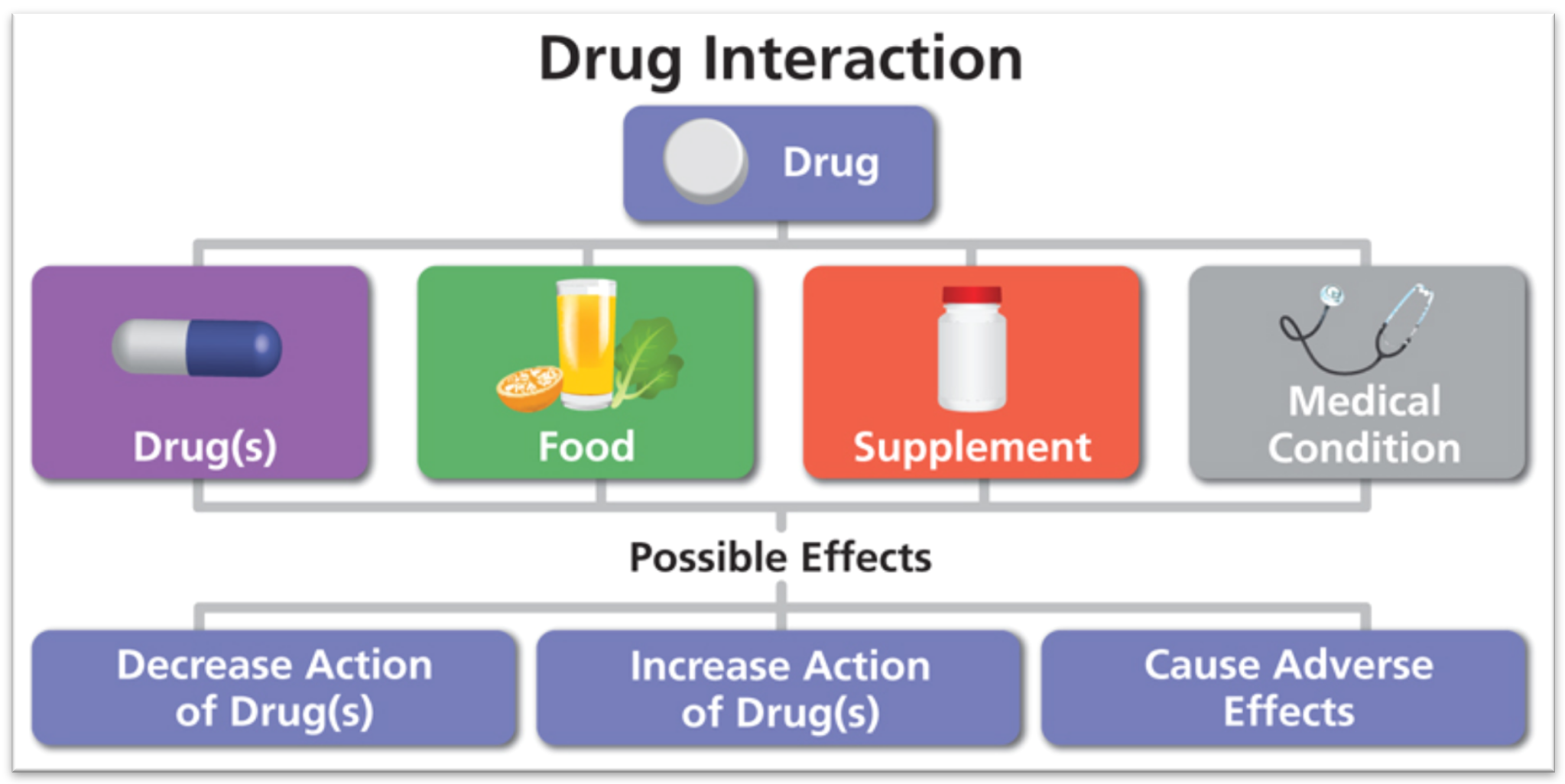
Taking tryptophan with any of these drugs, substances or supplements might enhance such drug affects, which could negatively impact the ability to drive or operate heavy machinery and cause excessive sleepiness or breathing problems.
Interactions with Serotonin-Boosting Drugs & Supplements
Taking tryptophan with serotonin-boosting antidepressants such as SSRIs like Prozac, mood stabilizers like lithium or other drugs or supplements that boost serotonin might lead to excess serotonin, which could cause serious and potentially life-threatening side effects including seizures and heart problems. Examples of supplements that might boost serotonin levels include St. John’s wort, 5-hydroxytryptophan (5-HTP), black seed, phenethylamine (PEA), SAMe, and acetyl-L-carnitine. This is not an exhaustive list of all supplements that theoretically can boost serotonin levels.
Severe serotonin syndrome is rare, according to a 2016 scientific paper. These physician researchers explain that this dangerous condition is almost exclusively caused by mixing an MAOI pharmaceutical antidepressant with an SSRI pharmaceutical antidepressant. 2
It appears that serotonin syndrome resulting from combining supplements with other supplements is even more rare. But, there is a case report of serotonin syndrome in a patient who took L-tryptophan and high doses of St. John’s wort. 3
Symptoms of serotonin syndrome include agitation, change in balance, confusion, hallucinations, fever, fast or abnormal heartbeat, flushing, muscle twitching or stiffness, seizures, shivering or shaking, sweating a lot, severe headache, upset stomach, throwing up and severe diarrhea as well as other symptoms.
Tryptophan might interact with other drugs not mentioned above or cause other adverse events or side effects. This is not an exhaustive list of all drugs or health problems that interact with tryptophan. Those considering taking tryptophan should first consult with their doctor.
Implicated in an Epidemic
In 1989, tryptophan in supplements was linked to an epidemic of cases of a rare condition that effects multiple organs systems called eosinophilia-myalgia syndrome (EMS). This is a serious and potentially life-threatening condition. Symptoms include severe muscle pain. There is evidence that these cases may have been caused by contaminants during the manufacture of the product. Ninety five percent of these cases were traced to tryptophan produced using genetically-engineered bacterium grown in a single factory. This supplement was quickly removed from the market, resulting in swift resolution of the EMS epidemic which sickened thousands of people. 4
According to an expert, peer-reviewed report from NatMed Pro“almost all cases were traced to L-tryptophan produced by a single manufacturer in Japan and are likely related to contamination”, 5
Prior to this apparent contamination incident and since its resolution more than three decades ago, EMS case reports have been rare. 6
Any given supplement can contain harmful impurities. There have been a number of studies showing that products don’t contain the ingredients in the amounts listed on the labels. Safety-conscious supplement manufacturers use spectrometry or other proven methods to batch test their final products for purity and potency. The most reputable companies do batch testing of final products using third-party labs with some offering a certificate of analysis to consumers who request it.
The manufacturer of the tryptophan linked to 1989 outbreak used a genetically-engineered bacterium to produce the tryptophan implicated in EMS. Today consumers have a choice to purchase non-GMO versions of tryptophan.
To find out about how tryptophan dosing, timing and factors like diet can affect its efficacy, click link below:
Links to more information about tryptophan:
Tryptophan & Its Alternatives for Depression, Anxiety & Sleep
Are Tryptophan Supplements Effective Insomnia?
Tryptophan for Sleep: Not as Simple as Popping a Pill
Are Tryptophan Supplements Effective for Anxiety & Depression?
Low Tryptophan = Low Serotonin. Does Low Serotonin = Depression?
Care informed by the understanding that emotional and physical wellbeing are deeply connected
________________________________________________________________________________________________________________
By using MoodChangeMedicine.com, you agree to accept this website’s terms of use, which can be viewed here.
Citations
- Gray SL, Anderson ML, Dublin S, et al. “Cumulative Use of Strong Anticholinergics and Incident Dementia: A Prospective Cohort Study.” JAMA Intern Med. 2015;175(3):401–407. doi:10.1001/jamainternmed.2014.7663. jamainternalmedicine ↩︎
- Jacobsen JPR, Krystal AD, Krishnan KRR, Caron MG. “Adjunctive 5-Hydroxytryptophan Slow-Release for Treatment-Resistant Depression: Clinical and Preclinical Rationale.” Trends Pharmacol Sci. 2016 Nov;37(11):933-944. doi: 10.1016/j.tips.2016.09.001. Epub 2016 Sep 28. PMID: 27692695; PMCID: PMC5728156 ↩︎
- “Tryptophan Monograph” NatMed Pro Therapeutic Research Center database last modified on 5/12/2023, accessed March 2024 ↩︎
- Swygert LA, Maes EF, Sewell LE, et al. “Eosinophilia-myalgia syndrome. Results of national surveillance.” JAMA. 1990 Oct 3. 264(13):1698-703. ↩︎
- “Tryptophan Monograph” NatMed Pro Therapeutic Research Center database last modified on 5/12/2023, accessed March 2024 ↩︎
- Swygert LA, Maes EF, Sewell LE, et al. “Eosinophilia-myalgia syndrome. Results of national surveillance.” JAMA. 1990 Oct 3. 264(13):1698-703. ↩︎

 Mood Change Medicine
Discussion
No comments yet.