By using MoodChangeMedicine.com, you agree to accept this website’s terms of use, which can be viewed here.

May 31, 2024
By Joie Meissner ND, BCB-L
5-HTP (5-hydroxytryptophan), is a natural substance found in the body that is used in supplement form to treat depression. The body produces 5-HTP from tryptophan, an essential amino acid in food. 5-HTP is one of the biochemicals created when the body uses tryptophan to make the mood-hormone serotonin and sleep-hormone melatonin.
5-HTP is sold as an over-the-counter supplement. While 5-HTP is most frequently taken for depression, it is also taken for insomnia, anxiety and a number of other health conditions.
5-HTP SNAPSHOT

- 5-HTP might be as effective for depression as antidepressant medications like Prozac, but the evidence of efficacy is unclear for both the supplement and the antidepressant pharmaceuticals.
- The evidence for the supplement St. John’s wort for depression shows that it is as effective as antidepressants, but it has safety risks that 5-HTP does not.
- It’s possible 5-HTP might help some people with either insomnia or anxiety, but research evidence is lacking.
- 5-HTP could be effective for insomnia in people with depression.
- 5-HTP appears to be safer than the pharmaceutical antidepressants.
- Every supplement has safety risks. Always consult your physician prior to starting or stopping any medications or supplements.
- Supplements and pharmaceuticals might provide some temporary help, but don’t usually make a permanent change in depression, anxiety or insomnia.
- Talk therapies like Cognitive Behavioral Therapy (CBT) supported by other integrative approaches including Mindfulness, Biofeedback, Hypnotherapy, Diet and Nutrient Therapy and Cognitive Behavioral Therapy for Insomnia (CBT-I) can make a lasting difference.
Is 5-HTP effective for depression?

The National Library of Medicine database MedlinePlus called 5-HTP “possibly effective” and concluded that: “Taking 5-HTP by mouth seems to improve symptoms of depression in some people. It might work as well as some prescription antidepressant drugs.”
5-HTP might work as well for depression as SSRI antidepressant medications like Prozac, but the evidence of Prozac’s efficacy is not on solid footing.
While the evidence for 5-HTP is not as strong as that for the antidepressant supplement St. John’s wort, 5-HTP has markedly fewer potentially dangerous drug interactions compared to St. John’s wort. Both St. John’s wort and 5-HTP appear to be safer than pharmaceutical antidepressants and potentially as effective, according to some studies.
5-HTP might be helpful when used in combination with other treatments that can provide lasting benefits.
Cognitive Behavioral Therapy (CBT)—a gold-standard talk therapy—is as effective as antidepressant medication and some studies show it to be significantly more effective than medications used to treat depression. 1 Behavioral Activation is another talk therapy that has been found to be as effective to antidepressant medication. 2 Unlike antidepressants, the benefits of talk therapies continue after treatment ends and there are no withdrawal effects like those seen in antidepressants. There do not appear to be studies comparing talk therapy to supplements, but benefits of talk therapy for depression are likely to be more enduring than those of supplements.
Mindfulness-based Cognitive Therapy (MBCT) is a talk-therapy that has been shown to reduce the risk of relapse in people with recurrent depression who are in remission. 3, 4, 5, 6, 7, 8 It has also been found to provide significant protection against relapse for people with increased vulnerability due to history of childhood trauma. 9 Supplements have not been shown to prevent depression recurrence regardless of history of childhood trauma.
Cognitive Behavioral Therapy of Insomnia (CBT-I), the gold-standard treatment of insomnia, has been shown to decrease severity of depression symptoms in people with both insomnia and depression. 10 Studies have found hypnotherapy 11 and biofeedback 12 to be effective for depression.
Is 5-HTP helpful for anxiety?
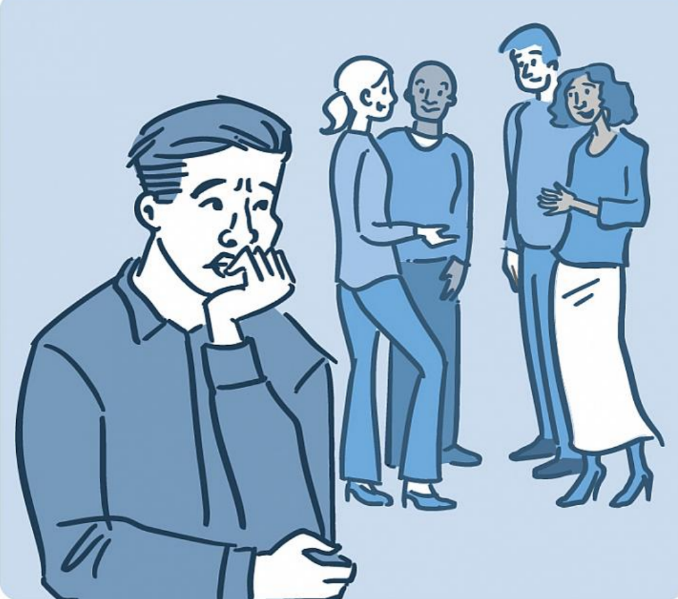
There is not enough evidence to say whether or not 5-HTP is effective for anxiety. It’s possible some people might get a modest benefit from 5-HTP supplements.
Some people obtain modest improvement in symptoms of generalized anxiety from another supplement made from an Ayurvedic herb known as ashwagandha. 13, 14, 15 It has more evidence of efficacy for general anxiety than 5-HTP. But the effects of ashwagandha are very mild. Some people find that the supplement stops working. 5-HTP appears to be safer than anti-anxiety medications called benzodiazepines, such as Xanax. In April 2023, Denmark banned ashwagandha citing a 2020 finding by the Danish Technical University (DTU) that ashwagandha has a possibly harmful effect on thyroid and sex hormones and potential to induce abortions.
All supplements can come with potential side effects and safety risks. Always consult a qualified healthcare professional before starting or stopping any medications or supplements.
There was a small study that found moderate benefits of 5-HTP for anxiety. 16 And there were two studies of people using 5-HTP for panic that showed benefit. 17, 18 But in one of the studies, the subjects who had panic attacks did not meet the criteria for panic disorder and the other study was not scientifically rigorous.
One small trial found that supplementing with 5-HTP moderately reduced anxiety symptoms. But this study was conducted on patients with Parkinson’s Disease and thus the results cannot be generalized to others. 19
The lack of adequate randomized controlled trials testing the efficacy of 5-HTP for anxiety means that there’s insufficient evidence to draw any conclusion about its efficacy.
One study randomly assigned people without panic disorder to take 5-HTP supplements or a placebo before being given a substance that can induce panic responses. The results showed a trend towards lower panic rates in the people taking 5-HTP, but the results were not statistically significant, meaning that the results could be due to chance. 20
However, when the researchers analyzed the responses of men and women separately, they did find that women in the 5-HTP group had a lower rate of panic attacks and reduced intensity of anxious thinking whereas the men only had less intense panic symptoms. 21
One problem that makes it impossible to draw conclusions about the efficacy of 5-HTP for people with panic disorder is that the people in this study were healthy subjects who did not have panic disorder. 22 People with panic disorder may have some genetic differences that make them more vulnerable to the effects of things that can induce panic such as changes in CO2 levels due to disordered breathing.
Another study compared the responses to 5-HTP in 24 people with panic disorder to that of 24 people without panic disorder. Both groups were given 5-HTP prior to manipulating levels of carbon dioxide (CO2) in the air they breathed to artificially induce panic attacks. The lowered CO2 levels mimic the dysfunctional breathing associated with panic attacks and can cause panic attack-like responses. Both the people with panic disorder as well as those without panic disorder got panic-like responses from breathing the low CO2 air. 23
People with panic disorder who had been given 5-HTP before their CO2 levels were lowered had a reduction in their panic attack-like responses. The panic-disordered people had lower anxiety, panic symptom scores and lower numbers of panic attacks, as opposed to those given placebo pills that didn’t contain any 5-HTP. The researchers concluded that “L-5-Hydroxytryptophan [5-HTP] acts to inhibit panic.” The study did not randomly assign participants to control and treatment groups, making it difficult to draw conclusions about the efficacy of 5-HTP for panic. 24
It’s not possible to draw a conclusion on the efficacy of 5-HTP for panic disorder from these two studies. But the research does highlight the role of lowered CO2 levels in panic, which has been posited as being caused by dysfunctional breathing called hyperventilation syndrome, which is found in about half the people with panic disorder. 25
“Successful treatment of panic disorder with breathing retraining all indicate a strong association” between disordered breathing and panic disorder, according to an article in the American Journal of Medicine. 26
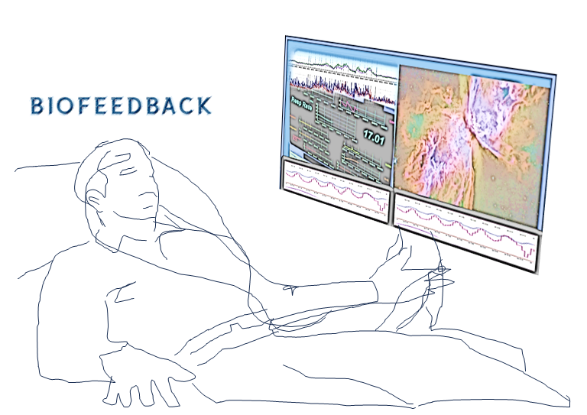
Biofeedback is a commonly used method of retraining the breathing of people with panic disorder. Biofeedback-assisted breath retraining has helped many people who do not get panic attacks, but grapple with stress and anxiety disorders. Biofeedback is used in conjunction with many relaxation therapies to treat a variety of anxiety conditions including panic disorder, generalized anxiety, social anxiety and phobias.
Biofeedback training was found to be “associated with a large reduction in self-reported stress and anxiety,” a 2017 analysis of 24 controlled studies totaling 484 participants concluded. 27
Talk therapy—not medication or supplements—is the most effective treatment for anxiety. A talk therapy called Cognitive Behavioral Therapy, “is an effective, gold-standard treatment for anxiety and stress-related disorders,” according to authors from the Harvard Medical School Department of Psychiatry. 28 “Research shows that most people who receive psychotherapy experience symptom relief “according to the American Psychiatric Association which states that “about 75 percent of people who enter psychotherapy show some benefit.” 29
Mindfulness-based stress reduction (MBSR) reduces anxiety. MBSR “may be similarly effective to standard therapeutics, psychotherapy education, or cognitive behavioral therapy (CBT),” according to an expert, peer-reviewed report from NatMed Pro. 30 Counseling techniques including mindfulness and relaxation therapies are frequently combined with biofeedback. Numerous studies show that relaxation therapy improves anxiety in patients with anxiety disorders and in patients experiencing anxiety due to stressful life events. 31, 32, 33, 34, 35
Hypnosis is used to treat stress and anxiety, typically in conjunction with counseling techniques such as cognitive behavioral therapy. A 2019 analytic review of 15 studies found that “the average participant receiving hypnotherapy reduced anxiety more than about 79% of control participants.” 36 A number of the underlying studies reviewed in this analysis were not randomized, and so it’s difficult to draw firm conclusions that it was the hypnosis that caused improvement in anxiety and not some other unknown factor. Hypnosis is very safe and does not cause side effects like a drug or supplement can.
Does 5-HTP improve sleep?

There is not enough evidence to say whether or not 5-HTP is effective for insomnia. It’s possible some people might find it useful when used in combination with Cognitive Behavioral Therapy for Insomnia (CBT-I) which has been considered the gold-standard treatment for insomnia since 1999.37, 38, 39
In clinical trials, experimental subjects given 5-HTP have reported drowsiness and somnolence as a side effect. 40, 41, 42, 43
One very small randomized study of 5-HTP for sleep in ten older people showed it reduced the time it took for them to fall asleep.44 But its effects wore off by the eighth week.45 The study only compared 10 people taking 5-HTP and ten in the control group. And even if the study had showed more definitive results, the findings may not be relevant to people in other age groups because the participants were all older adults.
More studies are needed in order to determine 5-HTP’s efficacy for insomnia.
But 5-HTP might help people with depression get better sleep. 5-HTP “may benefit symptomatic improvement of insomnia” in patients who are depressed, according to a task force composed of 31 leading academics and clinicians from 15 countries. 46 Because poor sleep promotes depression and depression has a negative impact on sleep, it’s unclear if the reason 5-HTP may help depressed people’s sleep is due to improvements in sleep or in depression.
The most effective approach to getting a good night’s sleep doesn’t involve taking a supplement or drug. It is cognitive behavioral therapy for insomnia (CBT-I), which is endorsed by the American Academy of Sleep Medicine. Data show between 70 and 80 percent of patients have better sleep after doing CBT-I, according to a 2022 review by sleep medicine experts. 47
Research has shown CBT-I is highly effective for insomnia. CBT-I is superior to sleeping pills. 48, 49, 50, 51 An American Academy of Sleep Medicine (AASM) clinical guideline states that CBT-I should be the standard of care, and encourages its use as the initial treatment for chronic insomnia. 52
Biofeedback is used in CBT-I and is part of sleep treatment programs at prestigious health care systems like Mayo Clinic in their program “Insomnia treatment: Cognitive behavioral therapy instead of sleeping pills”. The Cleveland Clinic also uses biofeedback in their CBT-I program for the sleep anxiety that often accompanies insomnia. Biofeedback is used by Duke University Health System and the University of Tennessee Integrative Sleep Medicine Program.
Biofeedback used without other components of CBT-I may also be helpful for sleep. A 2022 study on heart rate variability biofeedback found that the stress-reducing technique improved subjective reports of sleep quality in healthy adults. 53
And there are other therapies that may be more helpful than 5-HTP for insomnia. Mindfulness-based practices, a component used in some CBT-I programs, also appear to improve some sleep measures in most adults. 54, 55 Exercise also improves sleep quality. 56 Light therapy reduces the amount of time people with insomnia spent awake in the night after first falling asleep, according to an analysis of twenty-two studies with a total of 685 participants. 57
5-HTP & SAFETY
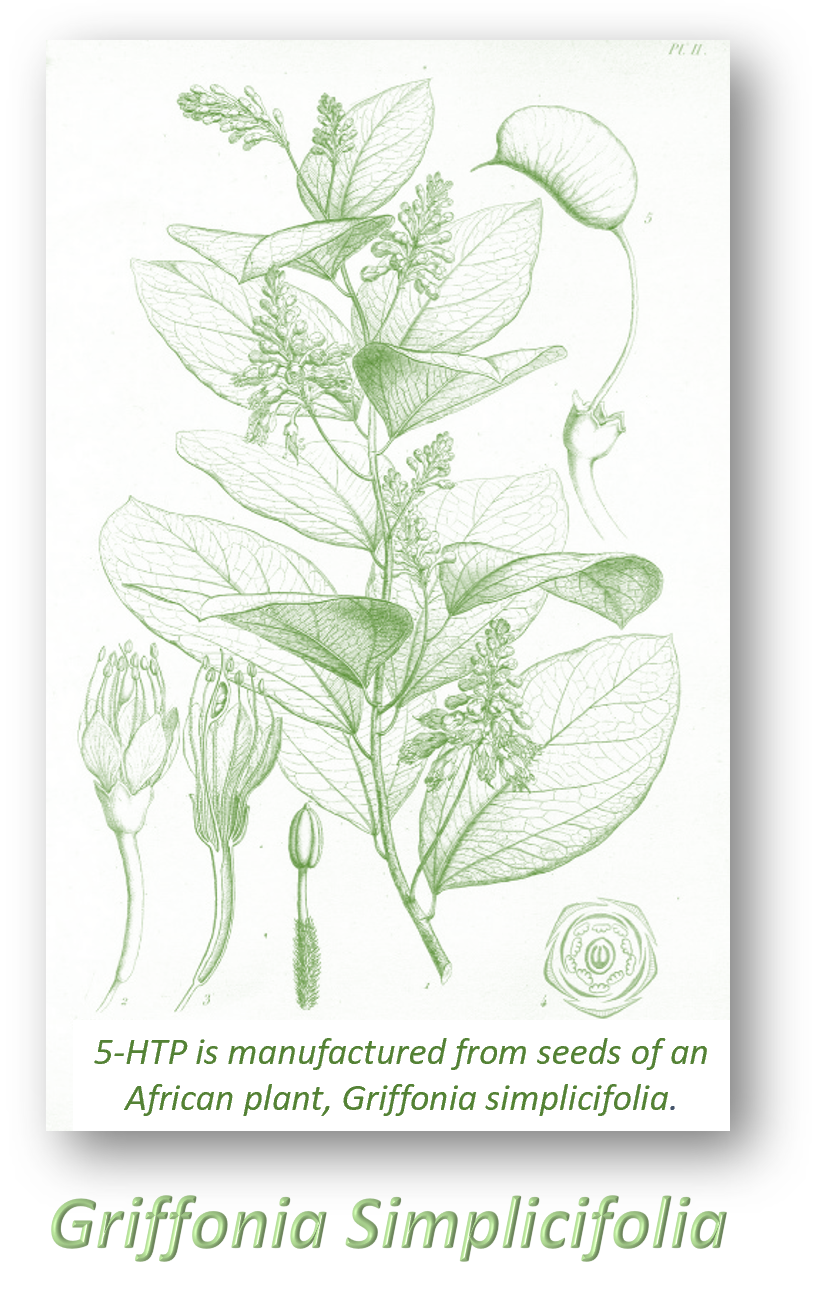
A panel of international experts said 5-HTP has “Acceptable safety data”. 58 Doses of up to 400 mg of 5-HTP per day have been found by researchers to be safe for up to one year. 59
There’s not adequate information to know if 5-HTP is safe during pregnancy or breast feeding.
5-HTP might interact with drugs that also boost serotonin and create potentially serious side-effects. There is a theoretical possibility that it could interact with other serotonin-boosting supplements. It might also interact with Parkinson’s Disease drugs to create serious side effects.
Taking 5-HTP with sedative medications or supplement could theoretically enhance the sedative effect causing sleepiness and impair the ability to drive or operate machinery.
Expert peer-review report from NatMed Pro asserts that 5-HTP is generally well tolerated, short-term”. 60
Supplements can contain impurities. Some supplement manufacturers offer certificates of analysis to safety-conscious consumers. Manufacturers sometimes hire third-party labs that use scientifically validated methodology capable of showing that the products are without a range of potential contaminants and that the quantity of ingredients specified on the label is present in the final products.
The above is not an exhaustive list of all safety issues related to taking 5-HTP supplements. Always consult a qualified healthcare provider before starting or stopping any medication or supplements.
To find out more about 5-HTP supplement safety, click link below:
To find out more about the efficacy of 5-HTP for depression, click link below:
Care informed by the understanding that emotional and physical wellbeing are deeply connected
________________________________________________________________________________________________________________
By using MoodChangeMedicine.com, you agree to accept this website’s terms of use, which can be viewed here.
Citations
- Noetel M, Sanders T, Gallardo-Gómez D, Taylor P, del Pozo Cruz B, van den Hoek D et al. “Effect of exercise for depression: systematic review and network meta-analysis of randomised controlled trials.” BMJ 2024; 384 :e075847 doi:10.1136/bmj-2023-075847 ↩︎
- IsHak WW, Hamilton MA, Korouri S, et al. “Comparative Effectiveness of Psychotherapy vs Antidepressants for Depression in Heart Failure: A Randomized Clinical Trial.” JAMA Netw Open. 2024;7(1):e2352094. doi:10.1001/jamanetworkopen.2023.52094 ↩︎
- Bondolfi G., Jermann F., Van der Linden M. V., Gex-Fabry M., Bizzini L., Weber Rouget B., et al. “Depression relapse prophylaxis with Mindfulness-Based Cognitive Therapy: Replication and extension in the Swiss health care system.” Journal of Affective Disorders. 2010. 122, 224–231. doi: 10.1016/j.jad.2009.07.007 [PMC free article] [PubMed] [CrossRef] [Google Scholar] ↩︎
- Godfrin K. A., & van Heeringen C. “The effects of mindfulness-based cognitive therapy on recurrence of depressive episodes, mental health and quality of life: A randomized controlled study.” Behaviour Research and Therapy. 2010. 48, 738–746. doi: 10.1016/j.brat.2010.04.006 [PubMed] [CrossRef] [Google Scholar] ↩︎
- Kuyken W., Byford S., Taylor R. S., Watkins E., Holden E., White K., Teasdale J. D. et al. “Mindfulness-based cognitive therapy to prevent relapse in recurrent depression.” Journal of Consulting and Clinical Psychology 2008. 76, 966–978. doi: 10.1037/a0013786 [PubMed] [CrossRef] [Google Scholar] ↩︎
- Segal Z. V., Bieling P., Young T., MacQueen G., Cooke R., Martin L., et al. “Antidepressant monotherapy vs sequential pharmacotherapy and mindfulness-based cognitive therapy, or placebo, for relapse prophylaxis in recurrent depression.” Archives of General Psychiatry. 2010. 67, 1256–1264. doi: 10.1001/archgenpsychiatry.2010.168 [PMC free article] [PubMed] [CrossRef] [Google Scholar] ↩︎
- Ma S. H., & Teasdale J. D. “Mindfulness-based cognitive therapy for depression: Replication and exploration of differential relapse prevention effects.” Journal of Consulting and Clinical Psychology. 2004. 72, 31–40. doi: 10.1037/0022-006X.72.1.31 [PubMed] [CrossRef] [Google Scholar] ↩︎
- Teasdale J. D., Segal Z. V., Williams J. M. G., Ridgeway V. A., Soulsby J. M., & Lau M. A. (2000). Prevention of relapse/recurrence in major depression by mindfulness-based cognitive therapy. Journal of Consulting and Clinical Psychology, 68, 615–623. doi: 10.1037/0022-006X.68.4.615 [PubMed] [CrossRef] [Google Scholar] ↩︎
- Williams JM, Crane C, Barnhofer T, Brennan K, Duggan DS, Fennell MJ, Hackmann A, Krusche A, Muse K, Von Rohr IR, et al. “Mindfulness-based cognitive therapy for preventing relapse in recurrent depression: a randomized dismantling trial.” J Consult Clin Psychol. 2014. Apr;82(2):275-86. doi: 10.1037/a0035036. Epub 2013 Dec 2. PMID: 24294837; PMCID: PMC3964149 ↩︎
- Lin, Wenyao. Li, Na. Yang, Lili. Zhang, Yuqing. “The efficacy of digital cognitive behavioral therapy for insomnia and depression: a systematic review and meta-analysis of randomized controlled trials” PeerJ. 2023; 11: e16137. Published online 2023 Oct 31. doi: 10.7717/peerj.16137
PMID: 37927792 PMCID: PMC10624170 ↩︎ - Fuhr K, Meisner C, Broch A, et al. “Efficacy of hypnotherapy compared to cognitive behavioral therapy for mild to moderate depression – Results of a randomized controlled rater-blind clinical trial.” J Affect Disord. 2021;286:166-173. View abstract. ↩︎
- Pizzoli SFM, Marzorati C, Gatti D, Monzani D, Mazzocco K, Pravettoni G. “A meta-analysis on heart rate variability biofeedback and depressive symptoms.” Sci Rep. 2021 Mar 23;11(1):6650. doi: 10.1038/s41598-021-86149-7. PMID: 33758260; PMCID: PMC7988005. ↩︎
- Sarris J, Ravindran A, Yatham LN, et al. Clinician guidelines for the treatment of psychiatric disorders with nutraceuticals and phytoceuticals: The World Federation of Societies of Biological Psychiatry (WFSBP) and Canadian Network for Mood and Anxiety Treatments (CANMAT) Taskforce. World J Biol Psychiatry. 2022;23(6):424-455. View abstract. ↩︎
- Fuladi S, Emami SA, Mohammadpour AH, Karimani A, Manteghi AA, Sahebkar A. “Assessment of Withania somnifera root extract efficacy in patients with generalized anxiety disorder: A randomized double-blind placebo-controlled trial.” Curr Clin Pharmacol. 2020. View abstract. ↩︎
- Sud Khyati S, Thaker B. “A randomized double blind placebo controlled study of ashwagandha on generalized anxiety disorder.” Int Ayurvedic Med J. 2013;1(5):1-7. ↩︎
- Kahn RS, Westenberg HG, Verhoeven WM, et al. “Effect of a serotonin precursor and uptake inhibitor in anxiety disorders; a double-blind comparison of 5-hydroxytryptophan, clomipramine and placebo.” Int Clin Psychopharmacol. Jan 1987;2(1):33-45. ↩︎
- Schruers K, van Diest R, Overbeek T, Griez E “Acute L-5-hydroxytryptophan administration inhibits carbon dioxide-induced panic in panic disorder patients” Psychiatry Res. (2002 Dec 30) ↩︎
- Cowley DS, Roy-Byrne PP. “Hyperventilation and panic disorder.” Am J Med. 1987 Nov;83(5):929-37. doi: 10.1016/0002-9343(87)90654-1. PMID: 2890301. amjmed ↩︎
- Kahn RS, Westenberg HG, Verhoeven WM, et al. Effect of a serotonin precursor and uptake inhibitor in anxiety disorders; a double-blind comparison of 5-hydroxytryptophan, clomipramine and placebo. Int Clin Psychopharmacol. Jan 1987;2(1):33-45. ↩︎
- Maron E, Tõru I, Vasar V, Shlik J. “The effect of 5-hydroxytryptophan on cholecystokinin-4-induced panic attacks in healthy volunteers. “ J Psychopharmacol. (2004 Jun) ↩︎
- Maron E, Tõru I, Vasar V, Shlik J. “The effect of 5-hydroxytryptophan on cholecystokinin-4-induced panic attacks in healthy volunteers. “ J Psychopharmacol. (2004 Jun) ↩︎
- Maron E, Tõru I, Vasar V, Shlik J. “The effect of 5-hydroxytryptophan on cholecystokinin-4-induced panic attacks in healthy volunteers. “ J Psychopharmacol. (2004 Jun) ↩︎
- Schruers K, van Diest R, Overbeek T, Griez E “Acute L-5-hydroxytryptophan administration inhibits carbon dioxide-induced panic in panic disorder patients” Psychiatry Res. (2002 Dec 30) ↩︎
- Schruers K, van Diest R, Overbeek T, Griez E “Acute L-5-hydroxytryptophan administration inhibits carbon dioxide-induced panic in panic disorder patients” Psychiatry Res. (2002 Dec 30) ↩︎
- Cowley DS, Roy-Byrne PP. “Hyperventilation and panic disorder.” Am J Med. 1987 Nov;83(5):929-37. doi: 10.1016/0002-9343(87)90654-1. PMID: 2890301. amjmed ↩︎
- Cowley DS, Roy-Byrne PP. “Hyperventilation and panic disorder.” Am J Med. 1987 Nov;83(5):929-37. doi: 10.1016/0002-9343(87)90654-1. PMID: 2890301. amjmed ↩︎
- Goessl VC, Curtiss JE, Hofmann SG. “The effect of heart rate variability biofeedback training on stress and anxiety: a meta-analysis.” Psychol Med. 2017 Nov;47(15):2578-2586. doi: 10.1017/S0033291717001003. Epub 2017 May 8. PMID: 28478782. ↩︎
- Curtiss JE, Levine DS, Ander I, Baker AW. “Cognitive-Behavioral Treatments for Anxiety and Stress-Related Disorders. Focus.” Am Psychiatr Publ. 2021 Jun;19(2):184-189. doi: 10.1176/appi.focus.20200045. Epub 2021 Jun 17. PMID: 34690581 ; PMCID: PMC8475916 ↩︎
- American Psychological Association. Understanding psychotherapy and how it works. 2016. ↩︎
- NatMed Pro Therapeutic Research Center database accessed March 2024 ↩︎
- Gagne D, Toye RC. “The effects of therapeutic touch and relaxation therapy in reducing anxiety.” Arch Psychiatr Nurs 1994;8(3):184-9. View abstract. ↩︎
- Manzoni GM, Pagnini F, Castelnuovo G, Molinari E. “Relaxation training for anxiety: a ten-years systematic review with meta-analysis.” BMC Psychiatry 2008;8:41. View abstract. ↩︎
- Kim HS, Kim EJ. “Effects of Relaxation Therapy on Anxiety Disorders: A Systematic Review and Meta-analysis.” Arch Psychiatr Nurs. 2018;32(2):278-284. View abstract. ↩︎
- Zenouzi A, Moghadam ZB, Babayanzad S, Asghari M, Rezaei E. “The effect of Benson relaxation technique on stress, anxiety, and depression in pregnant women.” Holist Nurs Pract 2021. View abstract. ↩︎
- Ibrahim A, Koyuncu G, Koyuncu N, Suzer NE, Cakir OD, Karcioglu O. “The effect of Benson relaxation method on anxiety in the emergency care.” Medicine (Baltimore). 2019;98(21):e15452. View abstract. ↩︎
- Keara E. Valentine, Leonard S. Milling, Lauren J. Clark & Caitlin L. Moriarty. “The Efficacy of Hypnosis as a Treatment for Anxiety: A Meta-Analysis.” International Journal of Clinical and Experimental Hypnosis. (2019) 67:3, 336-363, DOI: 10.1080/00207144.2019.1613863 ↩︎
- Chesson AL Jr, Anderson WM, Littner M, Davila D, Hartse K, Johnson S, et al. “Practice parameters for the nonpharmacologic treatment of chronic insomnia”. An American Academy of Sleep Medicine report. Standards of Practice Committee of the American Academy of Sleep Medicine.” Sleep. 1999 Dec 15. 22(8):1128-33. ↩︎
- Edinger JD, Means MK. “Cognitive-behavioral therapy for primary insomnia.” Clin Psychol Rev. 2005 Jul. 25(5):539-58 ↩︎
- Morgenthaler T, Kramer M, Alessi C, Friedman L, Boehlecke B, Brown T, et al. “Practice parameters for the psychological and behavioral treatment of insomnia: an update. An american academy of sleep medicine report.” [sic] Sleep. 2006 Nov 1. 29(11):1415-9. ↩︎
- Cangiano C, Ceci F, Cancino A, et al. “Eating behavior and adherence to dietary prescriptions in obese adult subjects treated with 5-hydroxytryptophan.” Am J Clin Nutr. 1992;56:863-7. View abstract. ↩︎
- den Boer JA, Westenberg HG. “Behavioral, neuroendocrine, and biochemical effects of 5-hydroxytryptophan administration in panic disorder.” Psychiatry Res. 1990;31:267-78. View abstract. ↩︎
- Titus F, Dávalos A, Alom J, Codina A. “5-Hydroxytryptophan versus methysergide in the prophylaxis of migraine. Randomized clinical trial.” Eur Neurol. 1986;25:327-9. View abstract. ↩︎
- De Benedittis G, Massei R. “Serotonin precursors in chronic primary headache. A double-blind cross-over study with L-5-hydroxytryptophan vs. placebo.” J Neurosurg Sci. 1985;29:239-48. View abstract. ↩︎
- Sutanto C, Heng CW, Gan AX, Wang X, Fam J, Kim JE. “The Impact of 5-Hydroxytryptophan Supplementation on Sleep Quality of Older Adults in Singapore: A Randomized Controlled Trial.” Curr Dev Nutr. 2021 Jun 7;5(Suppl 2):372. doi: 10.1093/cdn/nzab037_082. PMCID: PMC8181734 ↩︎
- Sutanto C, Heng CW, Gan AX, Wang X, Fam J, Kim JE. “The Impact of 5-Hydroxytryptophan Supplementation on Sleep Quality of Older Adults in Singapore: A Randomized Controlled Trial.” Curr Dev Nutr. 2021 Jun 7;5(Suppl 2):372. doi: 10.1093/cdn/nzab037_082. PMCID: PMC8181734 ↩︎
- Sarris J, Ravindran A, Yatham LN, et al. “Clinician guidelines for the treatment of psychiatric disorders with nutraceuticals and phytoceuticals: The World Federation of Societies of Biological Psychiatry (WFSBP) and Canadian Network for Mood and Anxiety Treatments (CANMAT) Taskforce.” World J Biol Psychiatry. 2022;23:424-455. View abstract. ↩︎
- Muench A, Vargas I, Grandner MA, Ellis JG, Posner D, Bastien CH, Drummond SP, Perlis ML. “We know CBT-I works, now what?” Fac Rev. 2022 Feb 1;11:4. doi: 10.12703/r/11-4. PMID: 35156100; PMCID: PMC8808745. PMC8808745 ↩︎
- Morin CM, Hauri PJ, Espie CA, Spielman AJ, Buysse DJ, Bootzin RR. “Nonpharmacologic treatment of chronic insomnia. An American Academy of Sleep Medicine review.” Sleep. 1999 Dec 15. 22(8):1134-56. ↩︎
- Jacobs GD, Pace-Schott EF, Stickgold R, Otto MW. “Cognitive behavior therapy and pharmacotherapy for insomnia: a randomized controlled trial and direct comparison.” Arch Intern Med. 2004 Sep 27. 164(17):1888-96. ↩︎
- Irwin MR, Cole JC, Nicassio PM. “Comparative meta-analysis of behavioral interventions for insomnia and their efficacy in middle-aged adults and in older adults 55+ years of age.” Health Psychol. 2006 Jan. 25(1):3-14. ↩︎
- Sivertsen B, Omvik S, Pallesen S, Bjorvatn B, Havik OE, Kvale G, et al. “Cognitive behavioral therapy vs zopiclone for treatment of chronic primary insomnia in older adults: a randomized controlled trial.” JAMA. 2006 Jun 28. 295(24):2851-8. ↩︎
- Schutte-Rodin S, Broch L, Buysse D, Dorsey C, Sateia M. “Clinical guideline for the evaluation and management of chronic insomnia in adults.” J Clin Sleep Med. 2008;4(5):487–504. [PMC free article] [PubMed] [Google Scholar] ↩︎
- Herhaus B, Kalin A, Gouveris H, Petrowski K. “Mobile Heart Rate Variability Biofeedback Improves Autonomic Activation and Subjective Sleep Quality of Healthy Adults – A Pilot Study.” Front Physiol. 2022 Feb 17;13:821741. doi: 10.3389/fphys.2022.821741. PMID: 35250623; PMCID: PMC8892186 ↩︎
- Chen TL, Chang SC, Hsieh HF, Huang CY, Chuang JH, Wang HH. “Effects of mindfulness-based stress reduction on sleep quality and mental health for insomnia patients: A meta-analysis.” J Psychosom Res. 2020 Aug;135:110144. View abstract. ↩︎
- Gong H, Ni CX, Liu YZ, et al. “Mindfulness meditation for insomnia: A meta-analysis of randomized controlled trials.” J Psychosom Res. 2016;89:1-6. View abstract. ↩︎
- Barrett B, Harden CM, Brown RL, Coe CL, Irwin MR. “Mindfulness meditation and exercise both improve sleep quality: Secondary analysis of a randomized controlled trial of community dwelling adults.” Sleep Health. 2020 Dec;6(6):804-813. View abstract. ↩︎
- Chambe, J., Reynaud, E., Maruani, J., Fraih, E., Geoffroy, P. A., & Bourgin, P. “Light therapy in insomnia disorder: A systematic review and meta-analysis.” Journal of Sleep Research. 2023. 32(6), e13895. doi.org/10.1111/jsr.13895 ↩︎
- Sarris J, Ravindran A, Yatham LN, et al. “Clinician guidelines for the treatment of psychiatric disorders with nutraceuticals and phytoceuticals: The World Federation of Societies of Biological Psychiatry (WFSBP) and Canadian Network for Mood and Anxiety Treatments (CANMAT) Taskforce.” World J Biol Psychiatry. 2022 Jul;23(6):424-455. doi: 10.1080/15622975.2021.2013041. PMID: 35311615. View abstract. ↩︎
- “5-HTP” MedlinePlus, the National Library of Medicine. Last reviewed – 09/15/2023. Accessed March, 2014 ↩︎
- “5-HTP Monograph” NatMed Pro Therapeutic Research Center database updated 9/18/2023, accessed March 2024 ↩︎

 Mood Change Medicine
Discussion
No comments yet.