By using MoodChangeMedicine.com, you agree to accept this website’s terms of use, which can be viewed here.

June 1, 2024
By Joie Meissner ND, BCB-L
Overall, this supplement appears to be safe, but some sources note that the evidence is from studies of limited quality and there’s a lack safety data on 5-HTP beyond one year.
Not all sources agree that the evidence is of “limited quality” such that it would prevent making conclusions about 5-HTP safety. A task force composed of 31 leading academics and clinicians from 15 countries in their 2022 guidelines concluded—based on Grade A level evidence—that 5-HTP has “Acceptable safety data”. 1
MedlinePlus, the National Library of Medicine site, states: “When taken by mouth: It is possibly safe to take 5-HTP in doses of up to 400 mg daily for up to one year. Large doses of 5-HTP, such as 6-10 grams daily, are possibly unsafe. These doses have been linked to severe stomach problems and muscle spasms.” 2 A typical adult dose ranges from 150 to 800 mg per day.
Case reports of serious side effects following excess doses or a combination of certain medications taken with 5-HTP raises the possibility of risk.
Animal studies have shown that 5-HTP can be toxic at excessive levels 3 But few cases of toxicity in humans have been reported. 4
There was a case report of a man who took ten times the recommended dose of 5-HTP powder and developed amnesia, confusion, seizure activity. 5
When taken in recommended doses and avoiding potentially risky combinations with medications with which it can interact, 5-HTP’s side-effect profile looks good when compared to that of the SSRIs (Selective-Serotonin-Reuptake Inhibitors) like, Paxil and Zoloft.
SSRIs like Paxil (paroxetine), Celexa (citalopram) and others as well as SNRIs (Serotonin-Norepinephrine-Reuptake inhibitors) like Effexor (venlafaxine) and Cymbalta (duloxetine), which were first approved by the FDA for depression, are also often prescribed to treat anxiety disorders. They have a lot of side-effects.
Emotional blunting is frequently reported as an SSRI side effect. Though they might work to blunt your anxiety or depression, they might also blunt the pleasure taken in life.
In people who take these SSRIs and SNRIs for six weeks or longer, it was thought that abrupt discontinuation would lead to short-lived withdrawal symptoms—the so-called “antidepressant discontinuation syndrome.” But now it’s believed that the symptoms are not necessarily short-lived and far from mild.
SSRI and SNRI withdrawal symptoms include insomnia, nausea, imbalance, sensory disturbances, elevation, arousal and more. This withdrawal syndrome reportedly happens in about 20 percent of people. 6, 7 A 2020 article published by the American Psychological Association said: “The thinking in the medical community was that patients could wean off these drugs with minor side effects, but anecdotally, many patients have reported troubling mental and physical withdrawal symptoms that last for months or even years.” 8
Pharmaceutical antidepressants come with FDA warnings due to their association to rare cases suicide in SSRI and SNRI users. 9
Emotional blunting, increased suicide risk and withdrawal symptoms have not been widely reported in people on 5-HTP.
Potential Interactions with Medical Conditions
As with nearly all supplements, there’s not adequate data to determine the safety of taking it when pregnant or breast-feeding. The supplement may pose special risk to people with bipolar depression or schizophrenia. This is not a list of all possible medical or mental conditions that could be negatively impacted by taking 5-HTP.
Potential Interactions with Drugs and Supplements

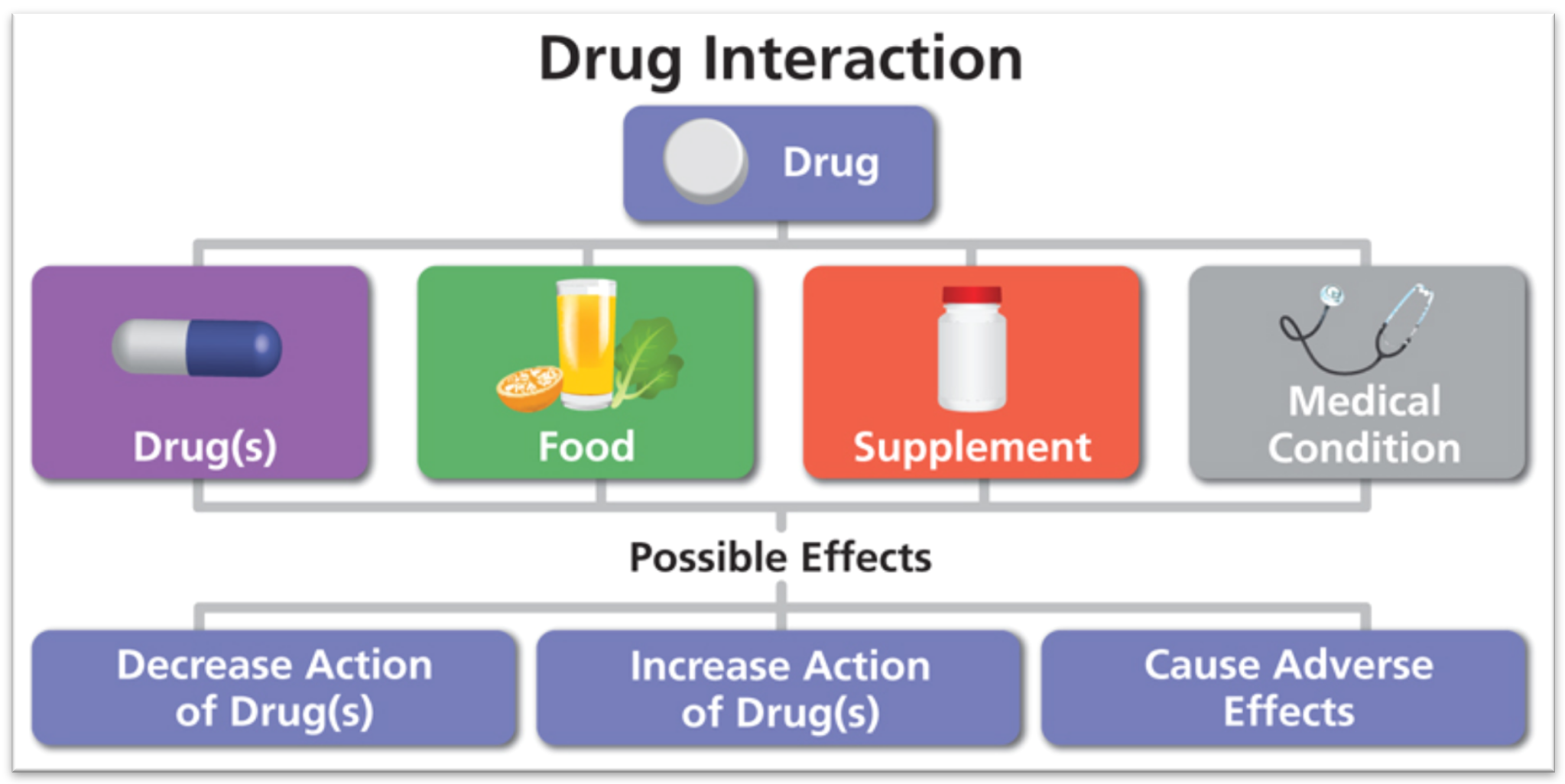
5-HTP is a serotonin precursor which might boost serotonin levels. Taking 5-HTP with another serotonin-boosting medication or supplement could raise serotonin levels too high and cause uncommon but serious side effects. Such combinations include 5-HTP plus an antidepressant. Taking it with other medications such as pain or headache medications, medications used before surgery and supplements like St. John’s wort, SAMe, and tryptophan might also raise serotonin levels too high.
If serotonin levels get too high it can cause symptoms that range from mild shivering and diarrhea to full-blown serotonin syndrome, a potentially deadly condition with serious symptoms like severe muscle rigidity, fever, and seizures.
Some of the symptoms of serotonin syndrome include anxiety, agitation, change in balance, confusion, hallucinations, fever, flushing, sweating, muscle twitching or stiffness, shivering or shaking, severe headache, upset stomach, vomiting, severe diarrhea, seizures, fast or abnormal heartbeat, as well as other symptoms including, in rare cases, death.
Severe serotonin syndrome is rare, according to a 2016 scientific paper. These physician researchers explain that this dangerous condition is almost exclusively caused by mixing an MAOI antidepressant medication with an SSRI antidepressant medication. They cite nine studies stating that “5-HTP has never been associated with serotonin syndrome in humans. 10 In published reports, more than 250 people have been dosed with 5-HTP and a form of SSRI medication with no serious adverse events, the researchers further report. 11
However, there is a case report of a MAOI medication (monamine oxdiase inhibitor) interacting with 5-HTP and causing serotonin syndrome, a potentially life-threatening condition. 12 Thus, it does appear that MAOI medications pose a higher risk of causing serotonin syndrome when taken with 5-HTP.
There is a case report of someone taking extreme dosages of 5-HTP developing excess serotonin levels. The patient did experience potentially life-threatening symptoms and later recovered from serotonin toxicity or overdose symptoms. 13
Drugs that affect serotonin levels include:
- Linezolid (Zyvox) an MAOI antibiotic – this is the case report of an interaction with 5-HTP causing serotonin syndrome.14
- Monamine oxdiase inhibitors (MAOIs) – there is a case report of mania following use of an MAOI with 5-HTP in a patient without personal or family history of bipolar disorder.15
- Antidepressants/anxiolytics including tricyclics antidepressants like amitriptyline, doxepin and nortriptyline (Pamelor), mood stabilizers like lithium as well as SSRIs like fluoxetine (Prozac), sertraline, and paroxetine – Theoretically, combining these serotonergic drugs with 5-HTP might increase the risk of serotonergic side effects, including serotonin syndrome.
- Theoretically, taking 5-HTP with other serotonin-boosting supplements, might increase the risks for excess serotonin. Supplements that might excessively boost serotonin levels include: St. John’s wort, tryptophan, black seed, phenethylamine (PEA), SAMe, acetyl-L-carnitine and others.
Carbidopa (Lodosyn), a medication used to treat Parkinson’s disease, can interact with 5-HTP. Combining carbidopa with 5-HTP can increase the risk of serious side effects including hypomania, rapid speech, aggressiveness and slow heart rate. This combination might also cause restlessness, anxiety, and insomnia.
Pain, swelling of hands and feet, skin rash, and weight loss occurred in a 70-year-old patient receiving a combination of 5-HTP with Parkinson’s medication—Carbidopa (Lodosyn). 16
In clinical trials, experimental subjects given 5-HTP have reported drowsiness or sleepiness as a side effect. 17, 18, 19, 20 Theoretically, excess sedation is possible when combining 5-HTP with medications, other substances and supplements that have sedative properties.
There are numerous medications that have drowsiness and slowed breathing as a side effect. Alcohol can also be sedating and cause slow breathing.

In theory, taking 5-HTP with any of these drugs, substances or supplements might enhance such drug affects, which could negatively impact the ability to drive or operate heavy machinery and cause excessive sleepiness or breathing problems.
5-HTP might enhance the sedating effects of sleep aids or other drugs that have sedative effects. Drugs known as central nervous system (CNS) depressants, sedatives, hypnotics, downers, alcohol and opioid pain medications can slow breathing and cause people to fall asleep. Theoretically, 5-HTP might increase these effects. That means that it might make people sleepier than they normal get when they take these drugs.
The list of drugs and supplements that could cause sedation is very long and includes:
- Sedatives like lorazepam (Ativan) and alprazolam (Xanax) and Methaqualone (Quaalude)
- Sleep aids, antihistamines and drugs for motion sickness like eszopiclone (Lunesta), zaleplon (Sonata), zolpidem (Ambien), dimenhydrinate (Dramamine), and diphenhydramine (Benadryl)
- Alcohol including beer and wine
- Opioid pain medications like oxycodone, hydrocodone, codeine and tramadol
- Botanical medicines, nutritional and other supplements like
- bio-identical hormones, progesterone-based or progestin-based products
- ashwagandha
- bacopa
- black seed
- California poppy
- cannabis, tetrahydrocannabinol (THC), cannabidiol (CBD)
- chamomile
- gotu kola
- hops
- Jamaican dogwood
- kava
- tryptophan
- lavender
- lemon balm
- magnolia
- melatonin
- passion flower
- rhodiola
- saffron
- skullcap
- valerian
- wild cherry
- wormwood
- tianeptine (a dangerous drug sold as a nutritional supplement)
The list above is not a complete accounting of all drugs, supplements and substances that can cause sedation, serotonin excess or interact negatively with 5-HTP.
Potential Interactions with Laboratory Testing
Testing for carcinoid tumors — Taking 5-HTP supplements could cause 5-HIAA urine test used to diagnose/monitor carcinoid tumors to be inaccurate.
Potential Side Effects
There is not a unanimity of opinion regarding 5-HTP’s side-effects among subject-matter experts.
An expert, peer-reviewed report from NatMed Pro declared that “5-HTP is generally well tolerated, short-term”. 21
The most common side effects include heartburn, stomach pain, nausea, vomiting, diarrhea, drowsiness, sexual problems, and muscle problems, according to MedlinePlus.
NatMed Pro lists the following as 5-HTP’s most common side effects: Abdominal pain, dizziness, diarrhea, drowsiness, fatigue, headache, insomnia, nausea, vomiting, and loss of appetite. 22
Severity of side-effects appears to rise with increasing dosages and tend to also be “related to how quickly doses are increased,” according to the NatMed Pro. They report that some data suggest that these GI side effects “may diminish or disappear with continued use of 5-HTP.” 23
Less common side effects include headache, insomnia, rapid or irregular heartbeat, according to a database from Memorial Sloan Kettering Cancer Center.
5-HTP might interact with other drugs not mentioned on this website or cause other adverse events or side effects. This is not a list of all drugs, health problems, or lab tests that interact with 5-HTP. Those considering taking supplements should first consult with their doctor or qualified healthcare professional.
Rare Risk of Supplement Contamination
MedlinePlus recommends that 5-HTP should be used cautiously. The recommendation appears to be based on a case reported in a 1994 article on a family of 5-HTP takers, one of whom came down with a eosinophilia-myalgia syndrome (EMS), a rare, potentially fatal condition that effects multiple organs systems whose symptoms include severe muscle pain. Two other family members showed elevated blood markers associated with EMS. 24
The National Institutes of Health analyzed samples of the 5-HTP product. They also studied other data on the family as well as on another group of people who took that same 5-HTP supplement. In this other group, two had the elevated blood marker associated with EMS, but none actually developed EMS. It was determined that the 5-HTP used by the family in which one member had EMS contained an impurity not contained in samples from the other people who took it. After replacing the contaminated 5-HTP supplement with one that didn’t contain that impurity, blood markers connected with EMS in 2 family members went away. 25
The researcher team investigating this incident concluded that that some 5-HTP may contain impurities that could be related to 5-HTP’s association with EMS. 26
However, “no definitive cases of toxicity have emerged despite the worldwide usage of 5-HTP for last 20 years, with the possible exception of one unresolved case of a Canadian woman,” scientists said. 27
Medline’s warnings may not be based solely on this one instance of EMS and two elevated levels of cells associated with the condition. It may be based on events that occurred years before the 1994 case of EMS.
In 1989, tryptophan—a 5-HTP precursor—was linked to an epidemic of cases of EMS. Ninety five percent of these cases were traced to L-tryptophan produced using genetically-engineered bacterium grown in a single factory. After the tryptophan’s removal from the market, there was a swift resolution of the EMS epidemic, which sickened thousands of people. 28
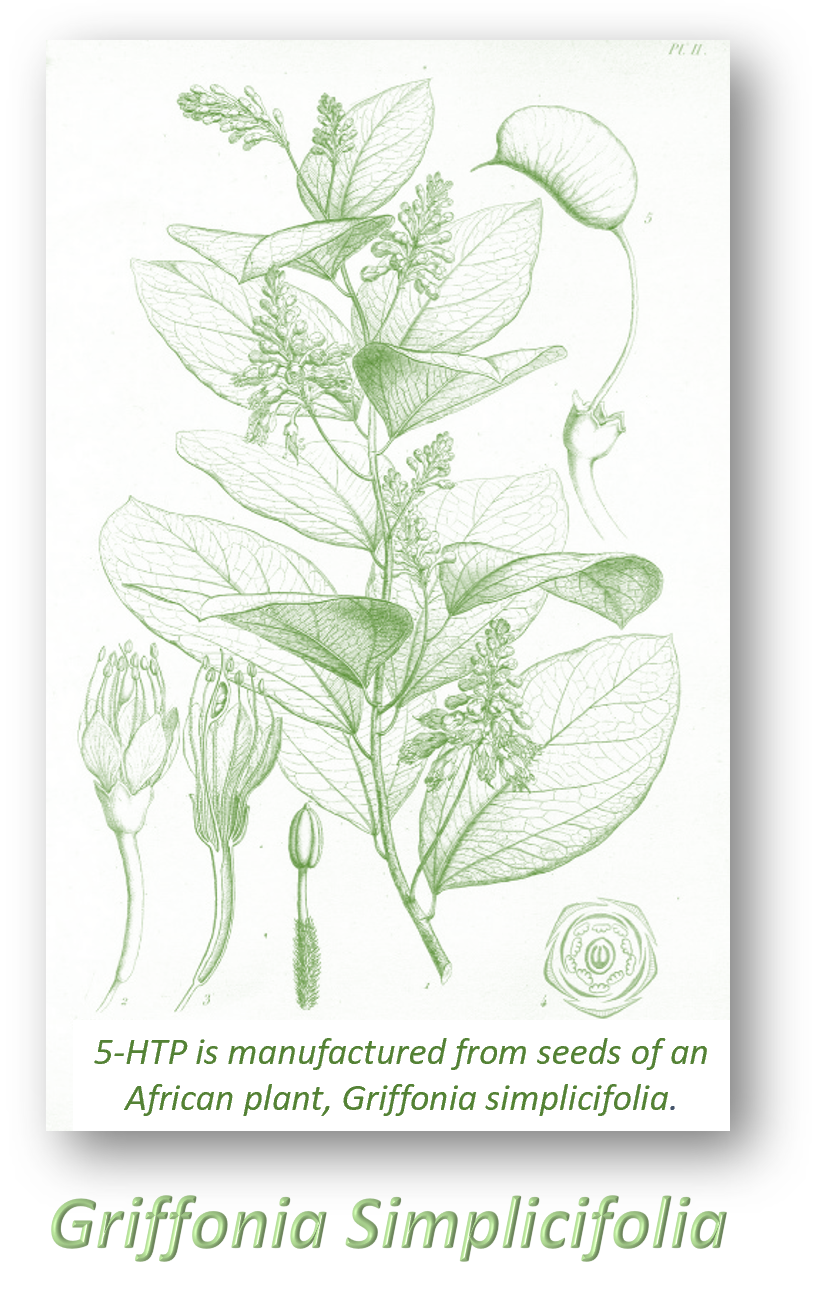
5-HTP has been manufactured out of seeds of an African plant known as Griffonia simplicifolia. Though there’s more recent interest in finding a way to genetically engineer it in a lab, it is not that difficult to find non-GMO 5-HTP supplements.
Other supplements including melatonin and probiotics have been found to contain harmful impurities and to not contain ingredients that are listed on their labels. Some supplement manufacturers hire third-party labs that use scientifically validated methodology capable of finding a range of potential contaminants and quantifying the amounts of each active ingredient in these products. And some even offer certificates of analysis which attest to what is in the supplement to safety-conscious consumers who request such information.
The information provided here is not intended to replace the advice a qualified health care professional like a pharmacist or physician. It is important to consult your doctor before taking supplements, either alone or in combination with other prescribed medications.
The above is not an exhaustive list of all safety issues related to taking 5-HTP supplements. Always consult a qualified healthcare provider before starting or stopping any medication or supplements.
To find out how 5-HTP works, click link below:
Care informed by the understanding that emotional and physical wellbeing are deeply connected
________________________________________________________________________________________________________________
By using MoodChangeMedicine.com, you agree to accept this website’s terms of use, which can be viewed here.
Citations
- Sarris J, Ravindran A, Yatham LN, et al. “Clinician guidelines for the treatment of psychiatric disorders with nutraceuticals and phytoceuticals: The World Federation of Societies of Biological Psychiatry (WFSBP) and Canadian Network for Mood and Anxiety Treatments (CANMAT) Taskforce.” World J Biol Psychiatry. 2022 Jul;23(6):424-455. doi: 10.1080/15622975.2021.2013041. PMID: 35311615. View abstract. ↩︎
- “5-HTP” MedlinePlus, the National Library of Medicine. Last reviewed – 09/15/2023. Accessed March, 2024 ↩︎
- Turner EH, Loftis JM, Blackwell AD. “Serotonin a la carte: supplementation with the serotonin precursor 5-hydroxytryptophan.” Pharmacol Ther. 20026. Mar 2006;109(3):325-338. ↩︎
- “5-HTP Monograph” NatMed Pro Therapeutic Research Center database updated 9/18/2023, accessed March 2024 ↩︎
- Nash E, Jamshidi N. “Hippocampal ischaemia from accidental 5-Hydroxytryptophan (5-HTP) overdose case report.” Clin Neurol Neurosurg. 2022 Sep;220:107384. doi: 10.1016/j.clineuro.2022.107384. Epub 2022 Jul 21. PMID: 35878559. ↩︎
- Thompson C. “Discontinuation of antidepressant therapy: emerging complications and their relevance.” J Clin Psychiatry. 1998;59:541-8. ↩︎
- Agelink MW, Zitzelsberger A, Klisser E. “Withdrawal syndrome after discontinuation of venlafaxine.” Am J Psychiatry. 1997;154:1473-4. ↩︎
- Weir, Kirsten. “How hard is it to stop antidepressants? New research suggests antidepressant withdrawal symptoms might be more common, more severe and longer lasting than previously realized.” Monitor on Psychology. 2020. Vol. 51, No. 3. April 2020. American Psychological Association. Accessed February. 2024. ↩︎
- Akiskal HS, Benazzi F. Does the FDA proposed list of possible correlates of suicidality associated with antidepressants apply to an adult private practice population? J Affect Disord. 2006;94:105–110. doi: 10.1016/j.jad.2006.04.002. [PubMed] [CrossRef] [Google Scholar] ↩︎
- Jacobsen JPR, Krystal AD, Krishnan KRR, Caron MG. “Adjunctive 5-Hydroxytryptophan Slow-Release for Treatment-Resistant Depression: Clinical and Preclinical Rationale.” Trends Pharmacol Sci. 2016 Nov;37(11):933-944. doi: 10.1016/j.tips.2016.09.001. Epub 2016 Sep 28. PMID: 27692695; PMCID: PMC5728156 ↩︎
- Jacobsen JPR, Krystal AD, Krishnan KRR, Caron MG. “Adjunctive 5-Hydroxytryptophan Slow-Release for Treatment-Resistant Depression: Clinical and Preclinical Rationale.” Trends Pharmacol Sci. 2016 Nov;37(11):933-944. doi: 10.1016/j.tips.2016.09.001. Epub 2016 Sep 28. PMID: 27692695; PMCID: PMC5728156 ↩︎
- Ostabal Artigas MI. “Serotoninergic syndrome due to interaction between linezolid and 5-hydroxytryptophan”. Med Clin (Barc). Dec 21 2015;145(12):e37-38. ↩︎
- Nash E, Jamshidi N. “Hippocampal ischaemia from accidental 5-Hydroxytryptophan (5-HTP) overdose case report.” Clin Neurol Neurosurg. 2022 Sep;220:107384. doi: 10.1016/j.clineuro.2022.107384. Epub 2022 Jul 21. PMID: 35878559. ↩︎
- Ostabal Artigas MI. “Serotoninergic syndrome due to interaction between linezolid and 5-hydroxytryptophan”. Med Clin (Barc). Dec 21 2015;145(12):e37-38. ↩︎
- Pardo JV. “Mania following addition of hydroxytryptophan to monoamine oxidase inhibitor.” Gen Hosp Psychiatry. Jan-Feb 2012;34(1):102.e113-104. ↩︎
- Sternberg EM, Van Woert MH, Young SN, et al. “Development of a scleroderma-like illness during therapy with L-5-hydroxytryptophan and carbidopa.” N Engl J Med. Oct 2 1980;303(14):782-787. ↩︎
- Cangiano C, Ceci F, Cancino A, et al. “Eating behavior and adherence to dietary prescriptions in obese adult subjects treated with 5-hydroxytryptophan.” Am J Clin Nutr. 1992;56:863-7. View abstract. ↩︎
- den Boer JA, Westenberg HG. “Behavioral, neuroendocrine, and biochemical effects of 5-hydroxytryptophan administration in panic disorder.” Psychiatry Res. 1990;31:267-78. View abstract. ↩︎
- Titus F, Dávalos A, Alom J, Codina A. “5-Hydroxytryptophan versus methysergide in the prophylaxis of migraine. Randomized clinical trial.” Eur Neurol. 1986;25:327-9. View abstract. ↩︎
- De Benedittis G, Massei R. “Serotonin precursors in chronic primary headache. A double-blind cross-over study with L-5-hydroxytryptophan vs. placebo.” J Neurosurg Sci 1985;29:239-48. View abstract. ↩︎
- “5-HTP Monograph” NatMed Pro Therapeutic Research Center database accessed March 2024 ↩︎
- “5-HTP Monograph” NatMed Pro Therapeutic Research Center database accessed March 2024 ↩︎
- “5-HTP Monograph” NatMedPro Therapeutic Research Center database accessed March 2024 ↩︎
- Michelson D, Page SW, Casey R, Trucksess MW, Love LA, Milstien S, Wilson C, Massaquoi SG, Crofford LJ, Hallett M (December 1994). “An eosinophilia-myalgia syndrome related disorder associated with exposure to L-5-hydroxytryptophan”.J Rheumatol. 21 (12): 2261–5. PMID 7699627. ↩︎
- Michelson D, Page SW, Casey R, Trucksess MW, Love LA, Milstien S, Wilson C, Massaquoi SG, Crofford LJ, Hallett M (December 1994). “An eosinophilia-myalgia syndrome related disorder associated with exposure to L-5-hydroxytryptophan”.J Rheumatol. 21 (12): 2261–5. PMID 7699627. ↩︎
- Michelson D, Page SW, Casey R, Trucksess MW, Love LA, Milstien S, Wilson C, Massaquoi SG, Crofford LJ, Hallett M (December 1994). “An eosinophilia-myalgia syndrome related disorder associated with exposure to L-5-hydroxytryptophan”.J Rheumatol. 21 (12): 2261–5. PMID 7699627. ↩︎
- Das YT, Bagchi M, Bagchi D, Preuss HG “Safety of 5-hydroxy-L-tryptophan”.Toxicol. Lett. 2004.
150 (1): 111–22. doi: 10.1016/j.toxlet.2003.12.070. PMID 15068828. ↩︎ - “Tryptophan Monograph” NatMed Pro Therapeutic Research Center database last modified on 5/12/2023, accessed March 2024 ↩︎

 Mood Change Medicine
Discussion
No comments yet.