By using MoodChangeMedicine.com, you agree to accept this website’s terms of use, which can be viewed here.

June 30, 2024
By Joie Meissner ND, BCB-L
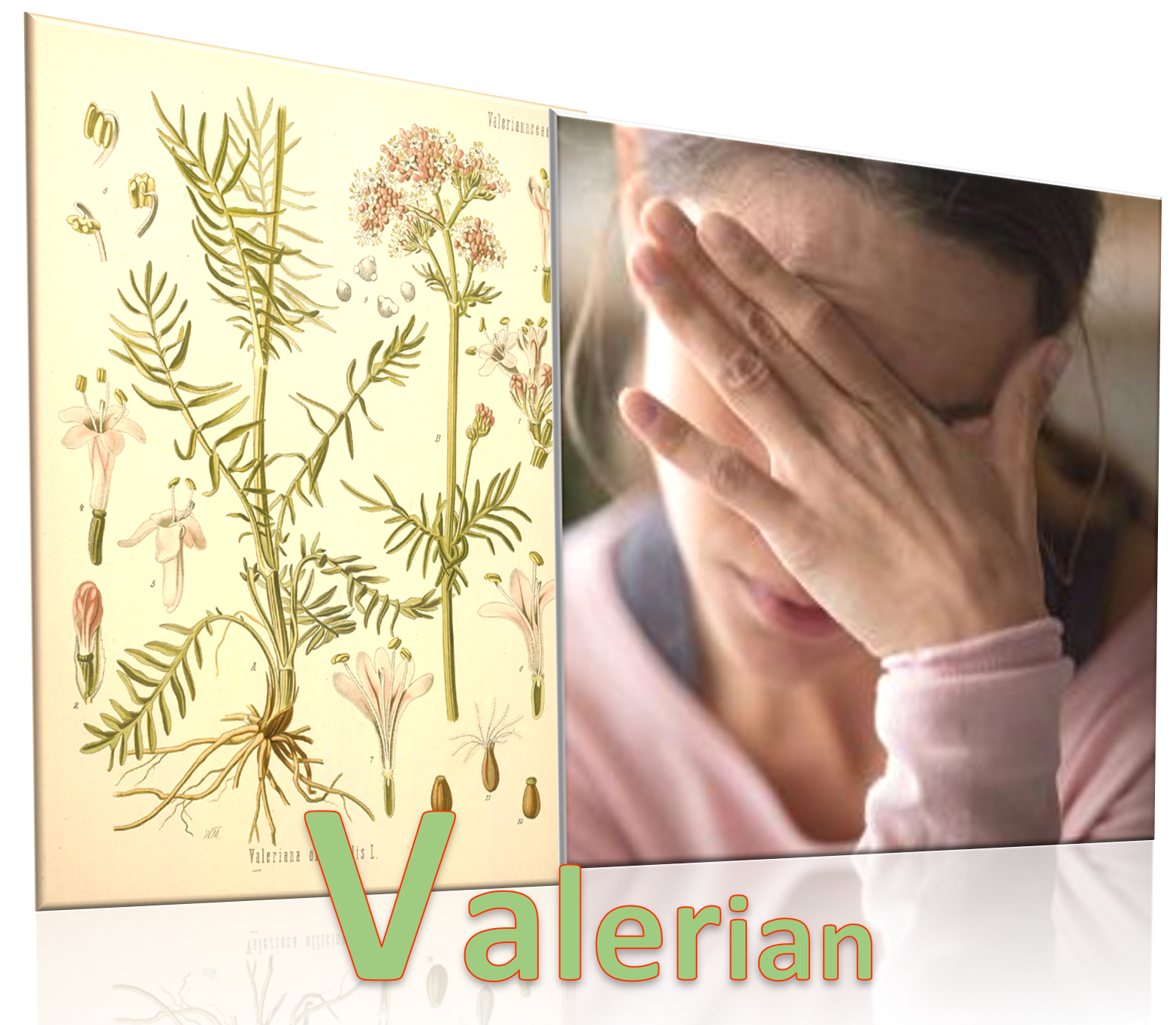
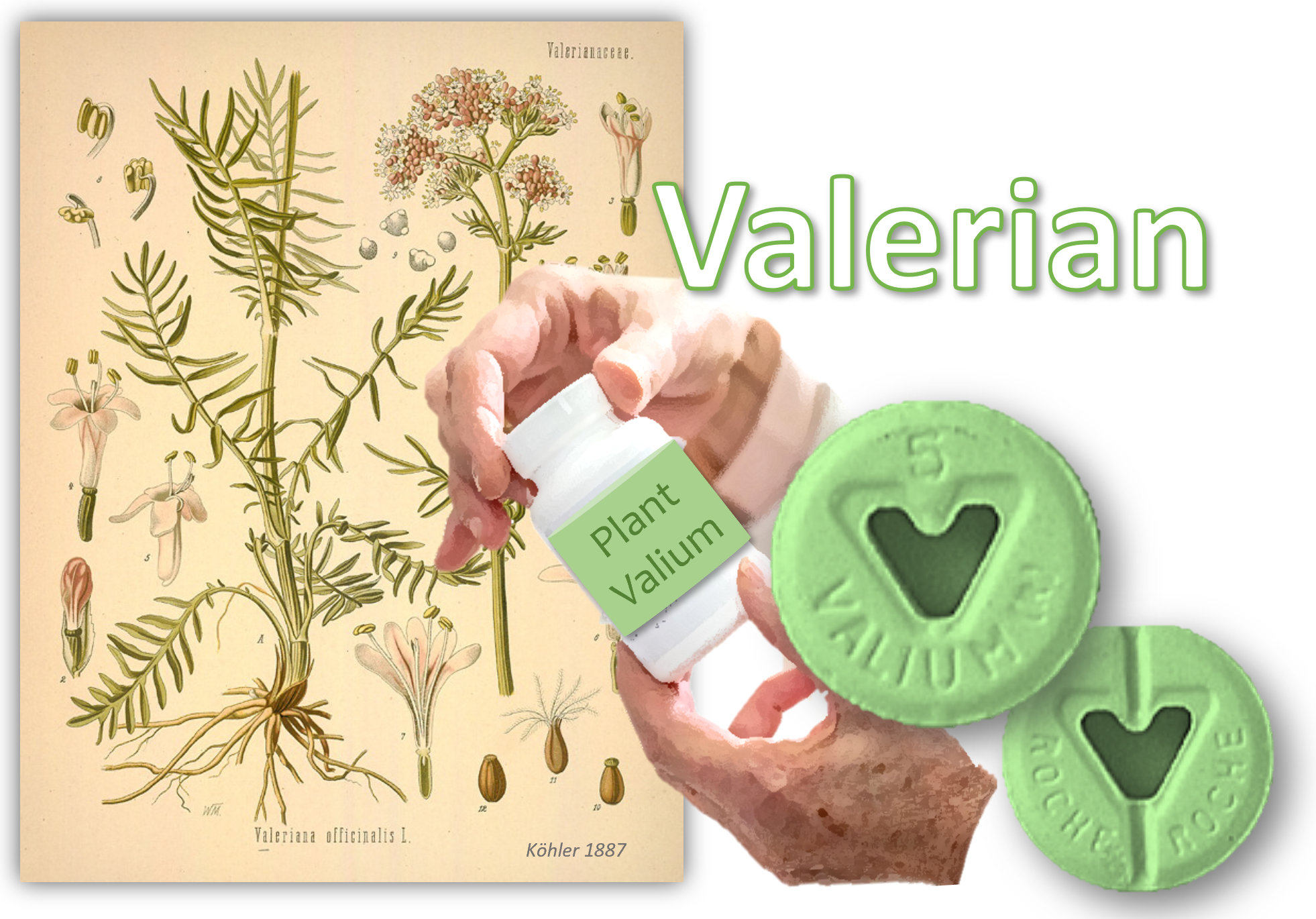
One might expect valerian to be effective for anxiety given its nickname “plant Valium,” so dubbed due to the similar actions of the herb to those of the drug Valium. The commonly prescribed anti-anxiety drugs—benzodiazepines like Valium—work by facilitating the binding of the calming neurotransmitter gamma-aminobutyric acid (GABA) to its receptors. The herb valerian also works on GABA.1
However, the evidence of valerian’s effectiveness for anxiety doesn’t speak with one voice. There are few studies and the ones that exist don’t all show valerian to be effective for all types of anxiety.
In 2020, researchers looking to find a cause for the inconsistent and contradictory results found in studies, state that “valerian could be a safe and useful herb alone and also in combination in treating sleep problems, anxiety, and associated comorbidities.” 2 But an expert panel of pharmacists and physicians report that there is not enough evidence to support valerian’s effectiveness for anxiety. 3
The 2020 researchers analyzed eight studies including 535 people with anxiety and found that whole-root preparations appear to have greater efficacy than other extracts. The researchers note that the plant’s constituents may have an unstable shelf life and can lose potency over time. The 2020 researchers said that inconsistent and contradictory results among the studies included in their analysis could be due, in part, to potency issues. 4 They also noted that potency can be negatively affected by the type of standardization used in certain manufacturing processes. 4
Suboptimal product preparation methods that fail to preserve the herb’s potency can be a problem as the products sit on store shelves. Products made from parts of the plant other than its root might also be less effective. That means some products could be more effective than others.
One small study in patients with generalized anxiety disorder showed it is as efficacious as the anti-anxiety drug, Valium (diazepam). But the researchers caution that these results should be viewed as preliminary and the number of study participants was only thirty-six, a number that does not allow researchers to draw firm conclusions. 6
It’s important to note that in some people valerian has a paradoxical effect, inducing anxiety instead of calm.
Valerian was also found to reduce physiologic responses to stress and feelings of anxiety in forty-eight healthy study participants who engaged in a stressful public speaking task. 7

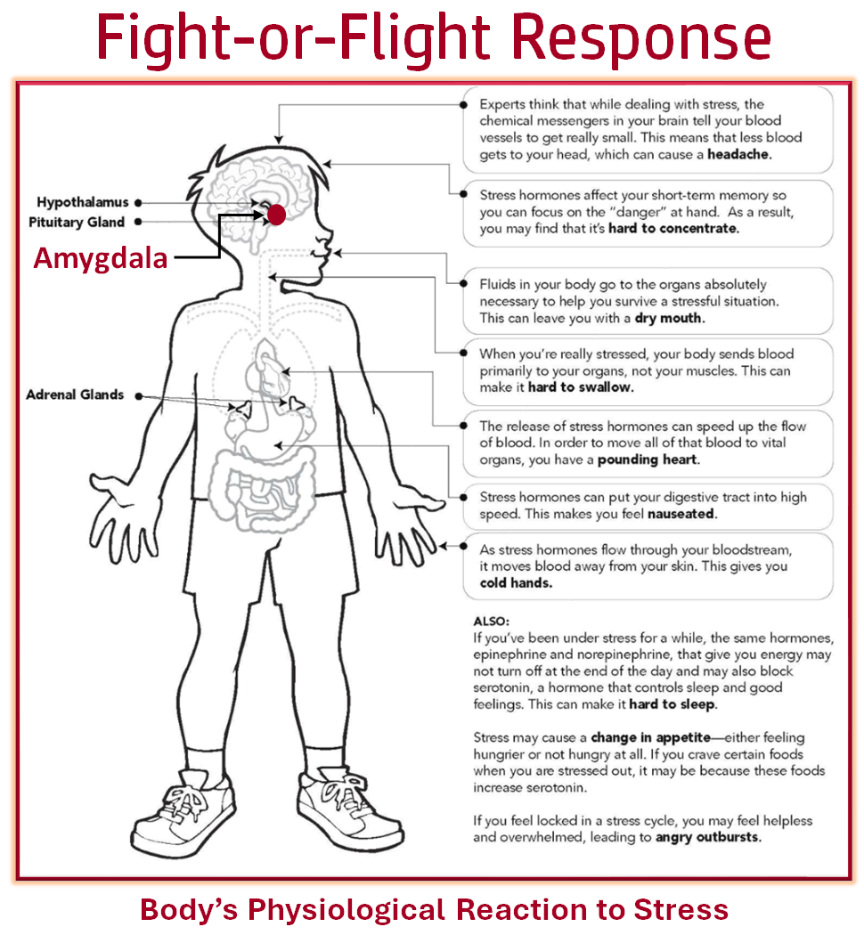
A study of fifty-four healthy participants performing a psychologically stressful task found that individuals taking valerian reported less pressure during the stressful task and they had lower heart rate in response to the mental stress. 8 Heart rate goes up when we are stressed. Heart-rate response is just one of the body’s stress responses that happen when we are exposed to threats. A threat could be having to give a speech in public, news of potential job loss, a spouse requesting a divorce or the rapid approach of a saber-toothed tiger.
The body has a set of physiologic stress responses to all types of threats. But we have many ways to ramp down the stress response that don’t involve the use of medications or supplements.
A randomized, double-blind placebo-controlled study with 135 volunteers with non-clinical anxiety and insomnia found that valerian was no more effective at lowering anxiety than a placebo—a fake tablet like a sugar pill that contains no valerian. 9 The benefits of a placebo or fake tablet that contains no active medication is due to the taker’s belief that the medication will help them. Though the negative results of this study may be due to a lack potency of the particular valerian extract sent by mail to study participants, negative results of this larger and more scientifically rigorous study do cast a shadow of doubt on valerian’s efficacy for anxiety.
The inconsistency in the data make it hard to draw firm conclusions about the herb’s effectiveness to calm anxiety. This is especially important since the safety of taking valerian long-term is unknown and since there are risk-free ways to calm anxiety by ramping down the body’s stress response. One such way is biofeedback and another is hypnosis.
How one uses treatments that calm the physiology of anxiety is really important because if the use of such treatments prevents us from learning that we can handle the threats that make us anxious, it is likely make the anxiety worse.
Taking Tinctures & Tablets Could Make Anxiety Worse
Part of what provides long-term relief from most types of anxiety disorders is directly facing anxious feelings and the situations that cause them. Continually taking a substance that gives temporary relief keeps the anxiety going and can cause anxious feelings to persist and worsen in intensity over time. This is because each time we successfully navigate situations that trigger the stress response, our brains register this information so that the next time we face these same situations the body’s stress response is dampened. We habituate to these triggers and overtime the anxiety gets less and less.
The quicker and deeper the anxiety relief from taking a substance, the greater the potential detriment to recovery from an anxiety disorder. This is because taking an anti-anxiety medication or supplement to prevent activation of the stress response strengthens the association between the anxiety-provoking situations and sense that these situations present a a true danger. This makes the fear response worse the next time we encounter the same situations.
This holds true for valerian. But its even more true for powerful benzodiazepine—anti-anxiety medications like Xanax (alprazolam) and Klonopin (clonazepam).
Valerian seems safer than drugs
The anti-anxiety drugs called benzodiazepines—commonly prescribed for long-term use despite their potential harms—can be addictive if used regularly and are associated with a number of serious health risks including potentially life-threatening withdrawal symptoms if abruptly discontinued.
It’s one thing to take benzos relatively rarely like when people with a fear of enclosed spaces take them before having an MRI. But it’s another thing to take them frequently. Evidence suggest they are much riskier than valerian. However, long-term studies of valerian safety are lacking.
When used chronically and abruptly stopped, valerian withdrawal symptoms can include elevated heart rate, anxiety, irritability, and insomnia. Serious withdrawal symptoms from chronic valerian use have rarely occurred. The is a case of cardiac failure and a case of hallucinations after stopping valerian, reported in the literature. 10, 11
Withdrawal symptoms associated with chronic benzodiazepine use are far from rare. It is estimated that between 10–25% of people who use benzodiazepines for extended periods experience withdrawal symptoms that last for 12 months or longer. 12
“Benzodiazepine use for as little as 3 to 6 weeks, even while adhering to therapeutic doses, is associated with the development of physical dependence, with between 15–44% of chronic benzodiazepine users experiencing protracted moderate to severe withdrawal symptoms upon cessation including emergent anxiety and depressive symptoms,” according to research cited in the British Journal of Clinical Pharmacology. 13, 14, 15, 16
Something like 100% of long-term users will get withdrawal from the pharmaceuticals. About 40% of those who take benzodiazepines for more than 6 months will have a moderate to severe withdrawal, and the other 60% will have a relatively mild withdrawal syndrome if the drug is stopped suddenly, according to article in British Journal of Clinical Pharmacology. 17
According to an article in British Journal of Clinical Pharmacology, symptoms of benzodiazepine withdrawal can include:
- Anxiety and anxiety-related symptoms like anxiety, panic attacks, hyperventilation, tremor, sleep disturbance (insomnia), muscle spasms, anorexia, weight loss, visual disturbance, sweating, mental discomfort or suffering (dysphoria)
- Perceptual distortions like hypersensitivity to stimuli, for example consistently exaggerated or inappropriate responses to sounds that are neither threatening nor uncomfortably loud to a typical person (hyperacusis); abnormal bodily sensations; a sense of detachment from one’s body or from reality as though one is seeing oneself from outside one’s body or the sense that one’s surroundings are not real (depersonalization/derealization).
- Grand mal seizures, which can be life-threatening
- Psychosis including hallucinations, delusions, and delirium
Other symptoms can include poor concentration, loss of sex drive, depression or mood swings.
Severe benzodiazepine withdrawal symptoms require medication management.
How does valerian stack up against other treatments?

Some people with social anxiety may find benefits from taking CBD (cannabidiol), the second most prevalent active ingredient in marijuana. CBD is a part of the cannabis plant that is not intoxicating or hallucinogenic. Though the research on CBD is less equivocal than that of valerian, cannabis research is in its infancy with fewer studies overall showing CBD as effective for all types of anxiety.
To learn more, click link: Are cannabinoids effective for anxiety?
Valerian is likely safer than kava, another herb people take for anxiety. Valerian toxicity has been rarely reported and it has a superior safety profile compared to that of kava—an herb that has been associated with numerous cases of liver toxicity. Kava had been banned from markets in Europe and Canada in 2002 when the Food and Drug Administration (FDA) issued a warning to consumers in that same year. Though rare, there are several case reports of liver toxicity after the use of valerian and valerian-containing multi-ingredient dietary supplements.
Kava use has caused permanent liver damage. Liver toxicity related to kava use has come to the fore over the last three decades. Between 50 and 100 cases of liver injury have been reported during that time, according to the National Institutes of Health. 18 Questions surrounding kava’s safety have yet to be resolved.
The Ayurvedic herb ashwagandha is frequently take for anxiety. Research regarding ashwagandha’s efficacy for anxiety shows more consistency and fewer contradictory results than that of valerian. Ashwagandha improved symptoms of general anxiety disorder (GAD), a 2020 randomized, double-blind placebo-controlled study found. 19 An authoritative source gives the herb a provisional recommendation for use in general anxiety and asserts that it has acceptable safety. 20 They based their recommendations on three randomized controlled studies, but they say that “a larger more definitive study is required to validate (ashwagandha’s) efficacy” 20
However, in April 2023, Denmark banned ashwagandha citing a 2020 finding by the Danish Technical University (DTU) of the herb’s potentially harmful effects on thyroid and sex hormones and its potential to induce abortions. A 2023 article in McGill University’s Office for Science and Society explains that herb’s ability to raise testosterone levels poses risks for men with prostate problems like hyperplasia (BPH) or prostate cancer. The herb’s effect on hormones also poses risks for pregnant or breastfeeding women.
Though ashwagandha doesn’t appear to have any withdrawal symptoms, it may stop working after a while. Clinical experience with both these herbs makes it appear that the effects of ashwagandha are far less noticeable than those of valerian.
Just like taking a pharmaceutical anti-anxiety drug before confronting an anxiety-provoking situation runs the risk of making anxiety worse in the long run, the same holds true for a botanical medicine. That applies to CBD, ashwagandha, kava and valerian.

One treatment that does not run the risk of making anxiety worse is Cognitive Behavioral Therapy (CBT). CBT is a gold-standard talk therapy for anxiety. It’s more effective and safer than anything that can be swallowed. Compared to tinctures or tablets, benefits of CBT endure long after the treatment has been completed. CBT appears to work by teaching skills that calm brain areas involved with the body’s response to threats and stressors.
To learn more about the effectiveness of CBT in the treatment of anxiety click link:
First on List for Depression and Anxiety
To learn more about how CBT works to reduce anxiety click link:
Talk Therapy Changes the Brain with Lasting Benefits
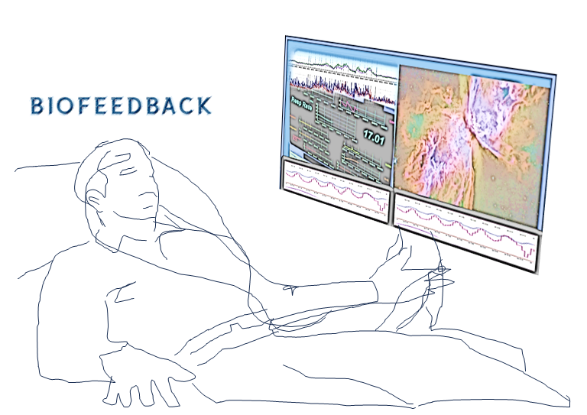
Biofeedback-Assisted Relaxation Therapy (BART) is used to help people reduce stress and anxiety. Biofeedback technology helps people learn to shift into a calm state and out of the physiology of stress that drives anxiety and depression and interferes with sleep. BART teaches people to turn down the physiology of stress by teaching them how to slow speedy hearts, quiet anxious breathing patterns and relax tense muscles. These new skills build a sense of empowerment, safety and help ramp down the biological drivers of anxiety.
Clinical experience suggests that when used regularly and appropriately, BART will not make anxiety worse like the drugs can. Instead of hindering healing like benzos, biofeedback may reduce the brain’s reactivity to threats from anxiety-provoking situations. Using skills learned through biofeedback makes us less apt to view the situations which trigger anxiety as totally overwhelming and beyond our ability to cope.
Skills learned through biofeedback empower people to play an active role in self-regulating anxiety, depression, insomnia and other stress-related disorders.
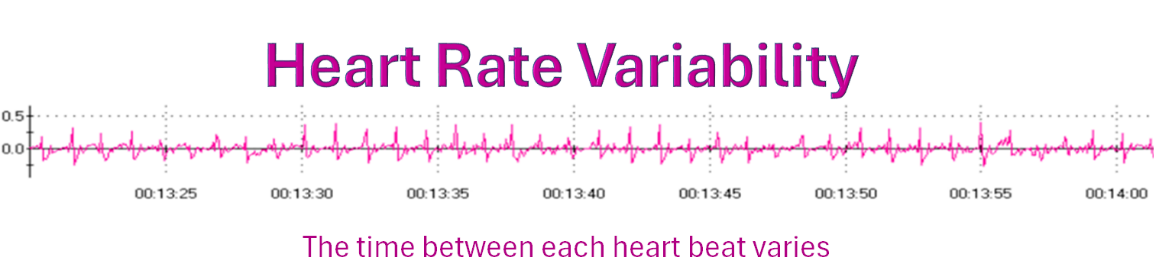
“HRV [heart rate variability] biofeedback training is associated with a large reduction in self-reported stress and anxiety,” a 2017 analysis of 24 controlled studies totaling 484 participants concluded. 22

Mood Change Medicine’s Dr. Meissner is Board Certified in Biofeedback, BCB-L, Biofeedback Certification International Alliance. To learn more about how biofeedback helps people with anxiety click link:
How to De-Stress Your Way Out of Anxiety and Depression
Information provided on this website is not a substitute for medical advice. Always consult your doctor before taking starting or stopping any supplement or medication.
For more information about valerian, clink links below:
Insomnia, Anxiety & Depression: Is Valerian Effective?
How effective is valerian for insomnia?

To find out more about valerian safety, clink link below:
To find out how Mood Change Medicine helps people with stress, and anxiety, click link below:
To find out how Mood Change Medicine helps people with both anxiety and insomnia, click link below:
Care informed by the understanding that emotional and physical wellbeing are deeply connected
________________________________________________________________________________________________________________
By using MoodChangeMedicine.com, you agree to accept this website’s terms of use, which can be viewed here.
Citations
- Cavadas C, Araujo I, Cotrim MD, et al. “In vitro study on the interaction of Valeriana officinalis L. extracts and their amino acids on GABAA receptor in rat brain.” Arzneimittel-Forschung Drug Research 45: 753-755, 1995. [PubMed abstract] ↩︎
- Shinjyo N, Waddell G, Green J “Valerian Root in Treating Sleep Problems and Associated Disorders-A Systematic Review and Meta-Analysis.” J Evid Based Integr Med.2020. 25:2515690X20967323 ↩︎
- “Valerian”. NatMed Pro Therapeutic Research Center database. current through 4/12/2024. Last modified 8/9/2023. Accessed June, 2024. ↩︎
- Shinjyo N, Waddell G, Green J “Valerian Root in Treating Sleep Problems and Associated Disorders-A Systematic Review and Meta-Analysis.” J Evid Based Integr Med.2020. 25:2515690X20967323h ↩︎
- Shinjyo N, Waddell G, Green J “Valerian Root in Treating Sleep Problems and Associated Disorders-A Systematic Review and Meta-Analysis.” J Evid Based Integr Med.2020. 25:2515690X20967323h ↩︎
- Andreatini R, Sartori VA, Seabra MLV, Leite JR “Effect of valepotriates (valerian extract) in generalized anxiety disorder: A randomized placebo-controlled pilot study” Phytother Res. 2002 16:650-4. ↩︎
- Kohnen R, Oswald WD. “The effects of valerian, propranolol, and their combination on activation, performance, and mood of healthy volunteers under social stress conditions.” Pharmacopsychiatry. 1988;21:447-8. View abstract. ↩︎
- Cropley M, Cave Z, Ellis J, Middleton RW. “Effect of kava and valerian on human physiological and psychological responses to mental stress assessed under laboratory conditions.” Phytother Res. 2002;16:23-7. View abstract. ↩︎
- Jacobs B, Bent S, Tice J, Blackwell T, Cummings S. “An internet-based randomized, placebo-controlled trial of kava and valerian for anxiety and insomnia.” Med. 2005;84(4):197–207. [PubMed] [Google Scholar] ↩︎
- Garges HP, Varia I, Doraiswamy PM. “Cardiac complications and delirium associated with Valerian root withdrawal.” [Letter to the Editor]. JAMA 1998;280:1566-7. View abstract. ↩︎
- Burke H, Jiang S, Chatham P, Stern TA. “Delirium After Withdrawal From Valerian Root: A Case Report.” Psychosomatics. 2020;61(6):787-790. View abstract. ↩︎
- Ashton H. “Protracted withdrawal from benzodiazepines: the post-withdrawal syndrome.” Psychiatr Ann 1995; 25: 174–179. View Web of Science® Google Scholar ↩︎
- Hood, S.D., Norman, A., Hince, D.A., Melichar, J.K. and Hulse, G.K. “Benzodiazepine dependence and its treatment.” Br J Clin Pharmacol. 2014. 77: 285-294. https://doi.org/10.1111/bcp.12023 ↩︎
- Ashton H. “Protracted withdrawal from benzodiazepines: the post-withdrawal syndrome.” Psychiatr Ann 1995; 25: 174–179. View Web of Science® Google Scholar ↩︎
- Petursson H, Lader MH. “Withdrawal from long-term benzodiazepine treatment.” Br Med J (Clin Res Ed) 1981; 283: 643–645. View CAS PubMed Web of Science® Google Scholar ↩︎
- de las Cuevas C, Sanz EJ, de la Fuente JA, Padilla J, Berenguer JC. “The Severity of Dependence Scale (SDS) as screening test for benzodiazepine dependence: SDS validation study.” Addiction 2000; 95: 245–250. View CAS PubMed Web of Science® Google Scholar ↩︎
- Hood, S.D., Norman, A., Hince, D.A., Melichar, J.K. and Hulse, G.K. “Benzodiazepine dependence and its treatment.” Br J Clin Pharmacol. 2014. 77: 285-294. https://doi.org/10.1111/bcp.12023 ↩︎
- National Center for Biotechnology Information, National Library of Medicine. LiverTox: Clinical and Research Information on Drug-Induced Liver Injury [Internet ]. “Kava Kava”. Last Update: April 10, 2018. Accessed January 26, 2024. ↩︎
- Fuladi S, Emami SA, Mohammadpour AH, Karimani A, Manteghi AA, Sahebkar A. “Assessment of Withania somnifera root extract efficacy in patients with generalized anxiety disorder: A randomized double-blind placebo-controlled trial.” Curr Clin Pharmacol. 2020. View abstract. ↩︎
- Sarris J, Ravindran A, Yatham LN, et al. Clinician guidelines for the treatment of psychiatric disorders with nutraceuticals and phytoceuticals: The World Federation of Societies of Biological Psychiatry (WFSBP) and Canadian Network for Mood and Anxiety Treatments (CANMAT) Taskforce. World J Biol Psychiatry. 2022;23(6):424-455. View abstract. ↩︎
- Sarris J, Ravindran A, Yatham LN, et al. Clinician guidelines for the treatment of psychiatric disorders with nutraceuticals and phytoceuticals: The World Federation of Societies of Biological Psychiatry (WFSBP) and Canadian Network for Mood and Anxiety Treatments (CANMAT) Taskforce. World J Biol Psychiatry. 2022;23(6):424-455. View abstract. ↩︎
- Goessl VC, Curtiss JE, Hofmann SG. “The effect of heart rate variability biofeedback training on stress and anxiety: a meta-analysis.” Psychol Med. 2017 Nov;47(15):2578-2586. doi: 10.1017/S0033291717001003. Epub 2017 May 8. PMID: 28478782. ↩︎

 Mood Change Medicine
Discussion
No comments yet.