By using MoodChangeMedicine.com, you agree to accept this website’s terms of use, which can be viewed here.
July 1, 2024
By Joie Meissner ND, BCB-L
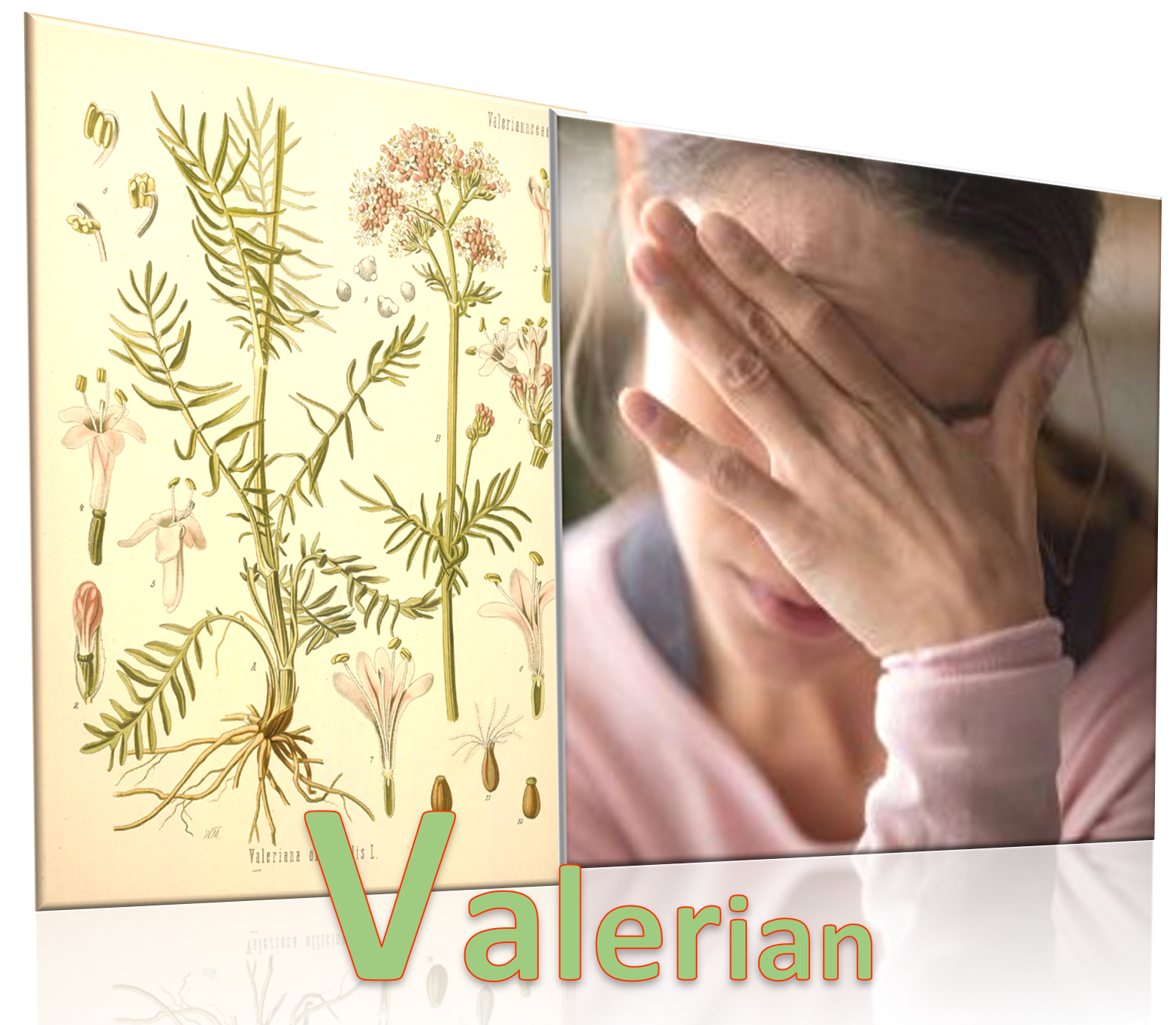
Valerian acts on serotonin receptors. 1 Serotonin is known for its role in mood. The most commonly prescribed antidepressant medications—selective serotonin reuptake inhibitors (SSRIs) like Prozac—boost serotonin activity in the brain. There is evidence from animals and human studies that the herb has some antidepressant effects, 2, 3 But, the bottom line is that valerian hasn’t been adequately studied for its effects on depression to determine if it is helpful.
St. John’s wort is another botanical medicine. It acts on a number of different neurochemicals including serotonin. St. John’s wort is shown to ameliorate depression as much as drugs like Prozac. (See link: St. John’s Wort: Backyard Weed as Potent as Prozac)
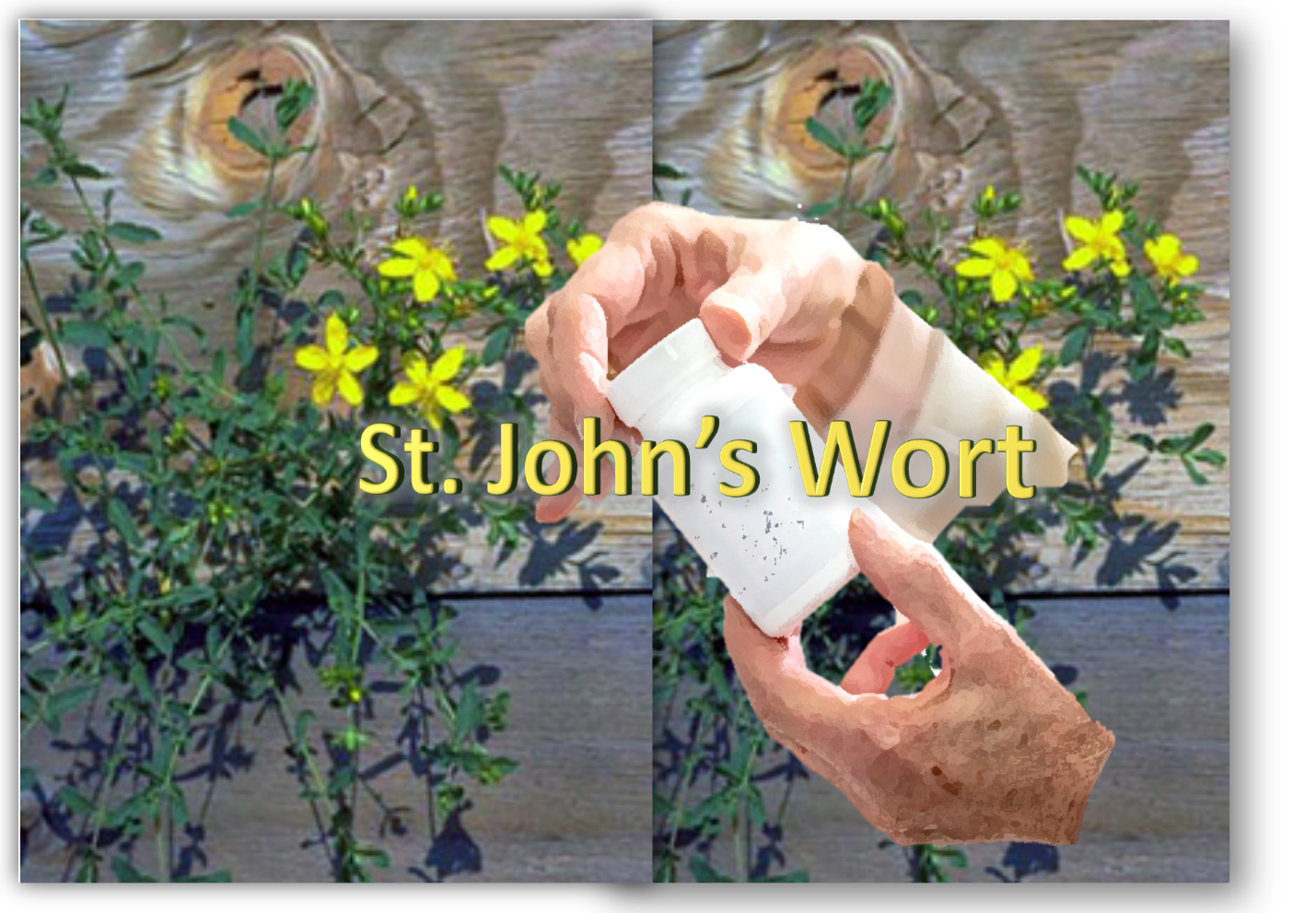
Patients with mild-to-moderate depression who also have anxiety improved when taking a combination of high-dose valerian (1000 mg) with St. John’s wort, one study found. In this study, the high-dose valerian-St. John’s wort combo was linked to a more rapid improvement in depressive symptoms than a low-dose valerian-St. John’s wort combo. However, because the design of this study was an uncontrolled case series, we cannot know if the herbal combination caused the improvements in these patients. 4
Even if the study was designed in a way that would allow us to draw conclusions, the results of this study might not apply to depressed people who don’t also report anxiety.
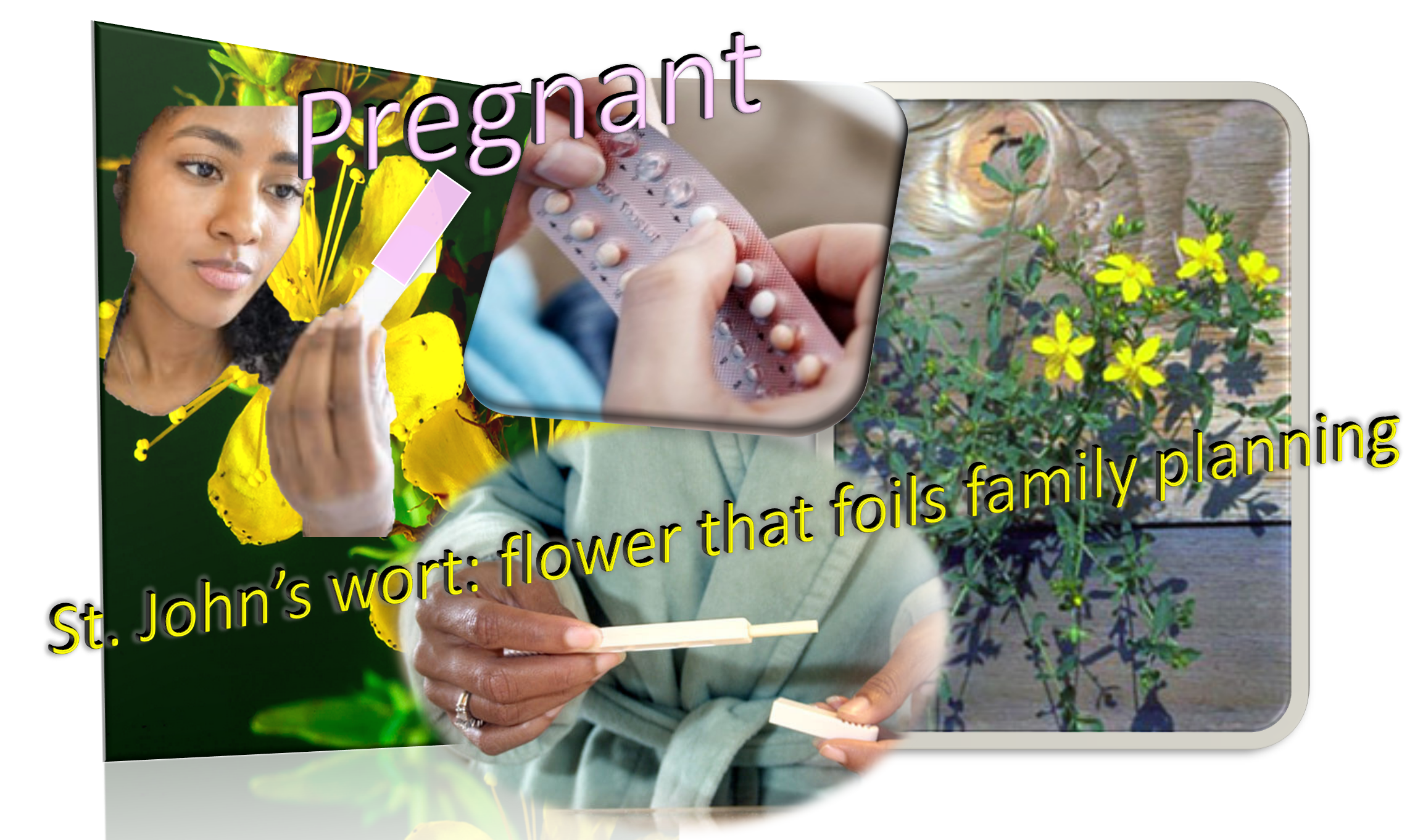
It is difficult to know if taking 1000 mg of valerian in combination with St. John’s wort is safe, especially when used for longer than one week. 5 Valerian at doses of 300-600 mg daily has been safely used in clinical studies in over 12,000 patients for up to 6 weeks, according to an expert panel of physicians and pharmacists. 6 St. John’s wort is an herb known for its propensity to alter the concentration of medications and supplements taken with it. Many people cannot take St. John’s wort due to potentially serious interactions when the herb is combined with medications including oral contraceptives. We don’t know if St. John’s wort lowered levels of valerian and if that may have made taking high-dose valerian safer.
Even in depressed people with anxiety who can safely take St. John’s wort, the results of a single study are not enough to know if adding valerian to St. John’s wort would be helpful.

Though valerian acts on the serotonin system, there’s considerable controversy as to whether low serotonin or low serotonin activity is a biological cause of depression. Tryptophan—an amino acid that we get from food—is a serotonin precursor needed for serotonin manufacture. Depressed persons have decreased blood levels of tryptophan, some studies show. 7, 8
But tryptophan—regardless of its effects on serotonin levels—may play a role in depression. To learn more about tryptophan’s role in depression click link:
Low Tryptophan = Low Serotonin. Does Low Serotonin = Depression?

Because there are now doubts about the low-serotonin-as-a-cause-of-depression hypothesis and because we know that SSRI antidepressant medications are designed to boost serotonin, it raises the question as to whether these medications work because of their effects on the serotonin system. But the question regarding how SSRI drugs work begs a more important question—namely do SSRI antidepressants work at all?
Harvard Medical School researcher Irving Kirsch—in seeking to answer the question of whether the SSRI anti-depressants such as Zoloft and Prozac are effective—analyzed published research data as well as unpublished drug company data obtained from the federal Food and Drug Administration. “Most (if not all) of the benefits are due to the placebo effect,” Kirsch wrote. 9
A placebo is an inert pill like a sugar pill that doesn’t contain any Prozac. People get benefit from taking these sugar pills due to their belief that they are getting an effective treatment for depression.


5-HTP is another serotonin precursor. 5-HTP supplements are used to treat depression. To learn more about 5-HTP and the controversies surrounding the lack of effectiveness of SSRI antidepressant medication, click link:
5-HTP: Are antidepressants effective, and if so why?
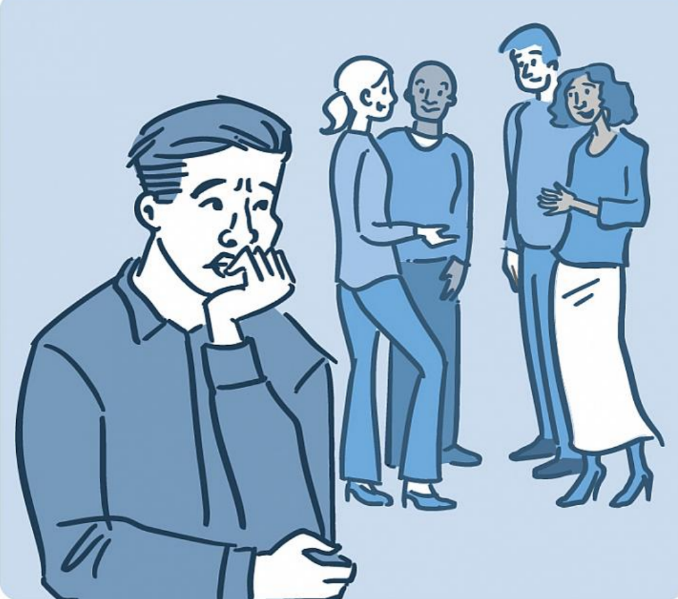
Depression is a serious health condition. Given the lack of evidence that valerian is an effective antidepressant, people should consider treatments that offer more reliable ways out of depression.
Talk therapies like cognitive behavioral therapy (CBT) and exercise work better than antidepressant medications, according to 2024 research. 10 CBT turns down ours brain’s response to threats. Exercise boost endorphins or feel-good chemicals and has healthful fringe benefits.

To find out why physical exercise is more effective for depression than antidepressants click link below:
Exercise Better than Drugs for Lifting Mood
Not ready to move your body? Cognitive Behavioral Therapy (CBT) is a gold standard treatment for depression. CBT—a talk therapy—is more effective than antidepressant medications, a large study found. 11 A key benefit of psychotherapies (talk therapies) like CBT is that they help people long after the sessions have been discontinued and there are no side-effects. For a lot of people, the benefits are lifelong.

To find out how effective psychotherapy is for healing depression, click link below:
CBT First on List for Depression and Anxiety
To find out how counseling methods like CBT act on the brain to heal anxiety and depression click link below:
Talk Therapy Changes the Brain with Lasting Benefits
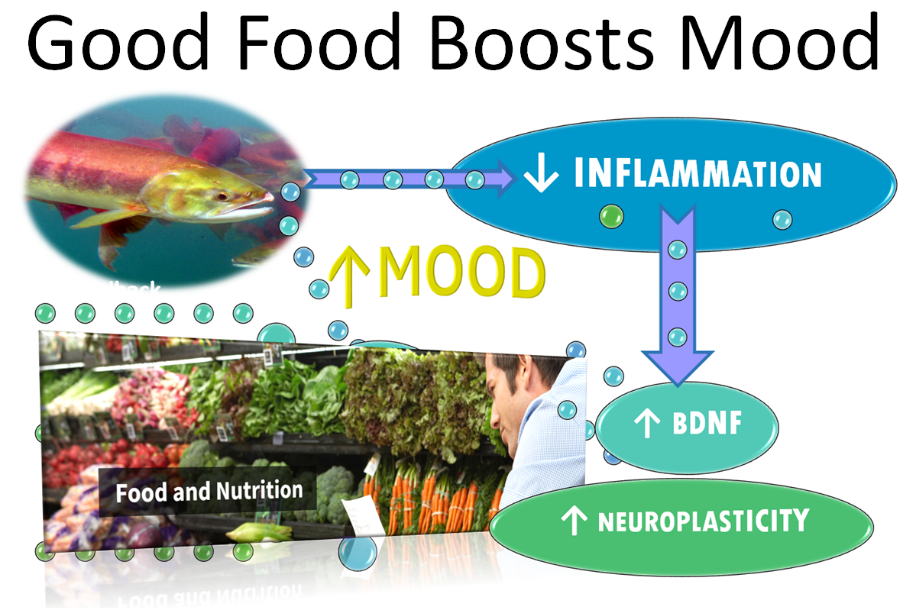
Not yet ready to try talk therapy? Maybe a change in the diet can help. A 2017 randomized controlled trial of 67 depressed patients sought to answer the question: “If I improve my diet, will my mental health improve?” At the end of 12 weeks, 32.3% of the patients who got nutrition counseling achieved remission from moderate to severe depression while just 8.0% of the social support control group did. 12
To learn more about how what we eat affects our mood, click link below:
Foods that Stress and Depress—Foods that Promote Well-being

Getting better sleep is a critically important way to help heal depression.
Up to 90% of people with major depression report sleep disturbances. 13
Cognitive-Behavioral Therapy for Insomnia (CBT-I) has been shown to reduce the severity of both insomnia and depression, according to a 2023 analysis of seven studies spanning 3,597 adults diagnosed with both. The researchers concluded CBT-I was “effective in alleviating insomnia and depression and might be considered as a viable treatment option for depression.” 14
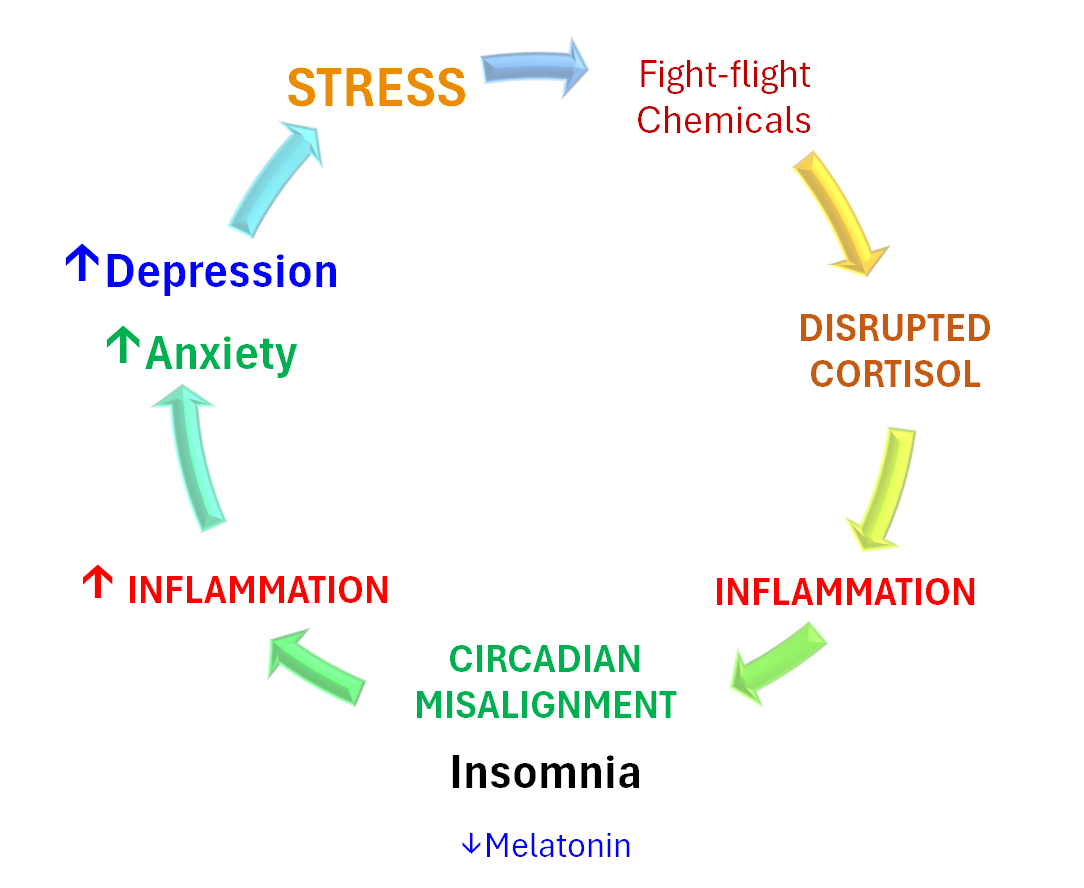
To find out how getting better sleep can help break the vicious cycle that perpetuates depression click link below:
INSOMNIA’S UNBIDDEN BEDFELLOWS: Anxiety & Depression
Improving stress management is an excellent way to help heal depression. Shifting the body into a physiologically relaxed state can change the way a person thinks and feels. Biofeedback technology helps people learn to shift out of the physiology of stress that drives depression and interferes with sleep. It helps people slow speedy hearts, quiet anxious breathing patterns and relax tense muscles. These new skills build a sense of empowerment, calm and safety.
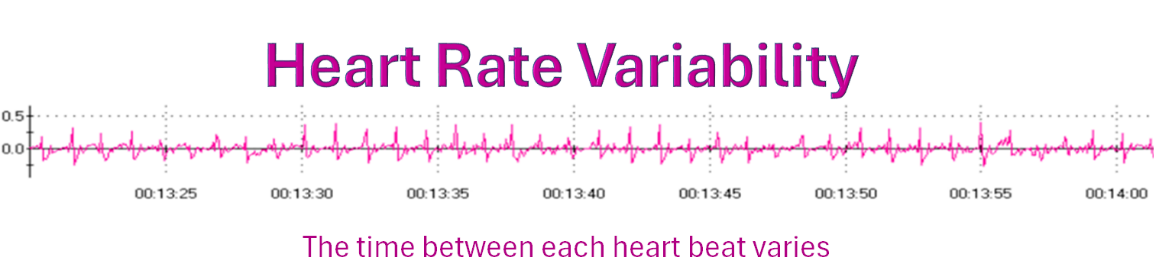
Depressive thinking resulted in changes in heart rate and perspiration that occur during times of elevated stress, a 2022 study found. 15 After heart rate variability (HRV) biofeedback, levels of stress, anxiety, and depressive thinking fell and heart rate patterns consistent with relaxation rose. People in the control group showed no such improvements.
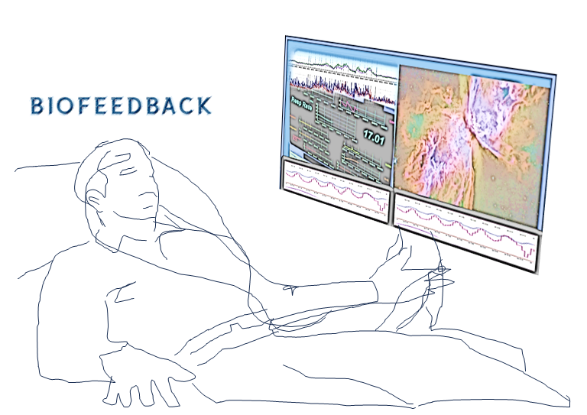
Heart rate variability (HRV) biofeedback improves depressive symptoms, a 2021 analysis of 14 randomized controlled studies including 794 participants concluded. 16 The researchers found HRV biofeedback to be “a valid technique to increase psychological well-being.”
To learn more about how biofeedback reduces stress and helps depression, click link below:
How to De-Stress Your Way Out of Anxiety and Depression

Hypnosis is another powerful tool used to defeat depression. A 2021 randomized study compared the gold-standard treatment for depression, cognitive behavioral therapy (CBT), to hypnotherapy (HT). 17 In patients with mild to moderate depression, hypnotherapy over 6 months is at least as effective as the gold-standard CBT for reducing symptoms of depression. Improvements were maintained 12 months after treatment.
To find out more about how hypnotherapy improves well-being, click link below:
Harness Hidden Strengths with Hypnotherapy

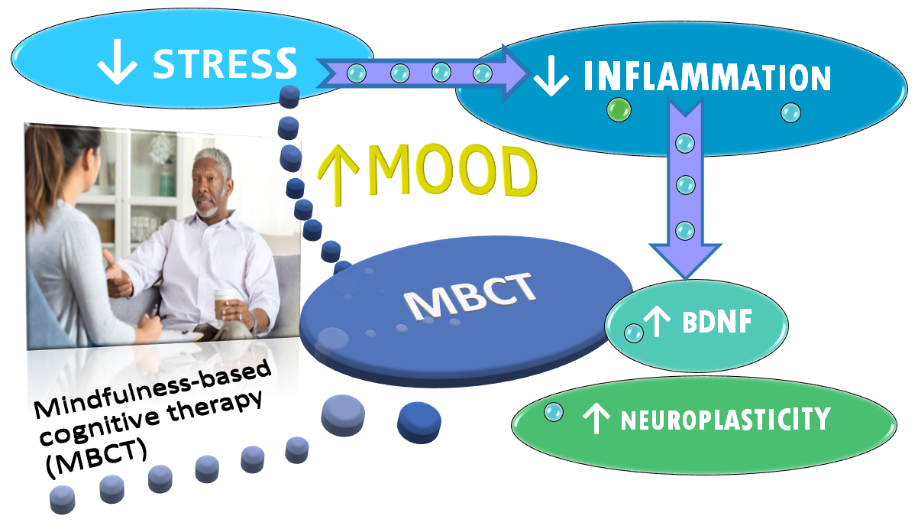
Mindfulness-Based Cognitive Therapy (MBCT) is a type of talk therapy that involves placing one’s attention on the present moment with a non-judgmental attitude while cultivating curiosity and openness to the full range of our experience. For people who have had more than a couple bouts of depression, MBCT skills are reliable depression-fighting friends that can help prevent a return to the pain of another depressive episode.
Mindfulness-based cognitive therapy (MBCT) is particularly helpful in preventing relapse for patients whose depression has gone into remission after psychotherapy or a course of antidepressants. The research clearly says that MBCT reduces the risk of a depression relapse after finishing treatment. 18
To find out more about Mindfulness-Based Cognitive Therapy, click link below:
Mindfulness-Based Cognitive Therapy: A Swiss-Army Knife for Tackling Anxiety & Depression
Information provided on this website is not a substitute for medical advice. Always consult your doctor before taking starting or stopping any supplement or medication.
For more information on valerian, click links below:
Insomnia, Anxiety & Depression: Is Valerian Effective?
How effective is valerian for insomnia?

To find out how Mood Change Medicine helps people with depression, click link below:
To find out how Mood Change Medicine helps people with both depression and insomnia, click link below:
Care informed by the understanding that emotional and physical wellbeing are deeply connected
________________________________________________________________________________________________________________
By using MoodChangeMedicine.com, you agree to accept this website’s terms of use, which can be viewed here.
Citations
- Dietz BM, Mahady GB, Pauli GF, Farnsworth NR. “Valerian extract and valerenic acid are partial agonists of the 5-HT5a receptor in vitro.” Brain Res Mol Brain Res. 2005 Aug 18;138(2):191-7. doi: 10.1016/j.molbrainres.2005.04.009. PMID: 15921820; PMCID: PMC5805132. ↩︎
- Sakamoto, T., Mitani, Y., and Nakajima, K. “Psychotropic effects of Japanese valerian root extract.” Chem Pharm Bull 1992;40(3):758-761. View abstract. ↩︎
- Oshima, Y., Matsuoka, S., and Ohizumi, Y. “Antidepressant principles of Valeriana fauriei roots.” Chem.Pharm.Bull. 1995;43(1):169-170. View abstract. ↩︎
- Müller D, Pfeil T, von den Driesch V. “Treating depression comorbid with anxiety–results of an open, practice-oriented study with St John’s wort WS 5572 and valerian extract in high doses.” Phytomedicine. 2003;10 Suppl 4:25-30. ↩︎
- “Valerian”. NatMed Pro Therapeutic Research Center database. current through 4/12/2024. Last modified 8/9/2023. Accessed June, 2024. ↩︎
- “Valerian”. NatMed Pro Therapeutic Research Center database. current through 4/12/2024. Last modified 8/9/2023. Accessed June, 2024. ↩︎
- Coppen A, Eccleston EG, Peet M. “Total and Free tryptophan concentration in the plasma of depressive patients.” Lancet. 1973 Jul 14;2(7820):60-3. doi: 10.1016/s0140-6736(73)93259-5. PMID: 4123618. ↩︎
- Cowen PJ, Parry-Billings M, Newsholme EA. “Decreased plasma tryptophan levels in major depression” J Affect Disord. 1989 Jan-Feb;16(1):27-31. doi: 10.1016/0165-0327(89)90051-7. PMID: 2521647. ↩︎
- Kirsch I. “Antidepressants and the Placebo Effect.” Z Psychol. 2014;222(3):128-134. doi: 10.1027/2151-2604/a000176. PMID: 25279271; PMCID: PMC4172306. ↩︎
- Noetel M, Sanders T, Gallardo-Gómez D, Taylor P, del Pozo Cruz B, van den Hoek D et al. “Effect of exercise for depression: systematic review and network meta-analysis of randomised controlled trials.” BMJ 2024; 384 :e075847 doi:10.1136/bmj-2023-075847 ↩︎
- Noetel M, Sanders T, Gallardo-Gómez D, Taylor P, del Pozo Cruz B, van den Hoek D et al. “Effect of exercise for depression: systematic review and network meta-analysis of randomised controlled trials.” BMJ 2024; 384 :e075847 doi:10.1136/bmj-2023-075847 ↩︎
- Jacka FN, O’Neil A, Opie R, Itsiopoulos C, Cotton S, Mohebbi M, et al. “A randomised controlled trial of dietary improvement for adults with major depression (the ‘SMILES’trial).” BMC Med. 2017. 15:1–13. 10.1186/s12916-017-0791-y [PMC free article] [PubMed] [CrossRef] [Google Scholar] ↩︎
- Franzen P.L., Buysse D.J. “Sleep disturbances and depression: risk relationships for subsequent depression and therapeutic implications.” Dialogues Clin. Neurosci. 2008;10(4):473–481. doi: 10.31887/DCNS.2008.10.4/plfranzen. [PMC free article] [PubMed] [CrossRef] [Google Scholar] ↩︎
- Lin, Wenyao. Li, Na. Yang, Lili. Zhang, Yuqing. “The efficacy of digital cognitive behavioral therapy for insomnia and depression: a systematic review and meta-analysis of randomized controlled trials” PeerJ. 2023; 11: e16137. Published online 2023 Oct 31. doi: 10.7717/peerj.16137
PMID: 37927792 PMCID: PMC10624170. ↩︎ - Schumann A, Helbing N, Rieger K, Suttkus S, Bär KJ. “Depressive rumination and heart rate variability: A pilot study on the effect of biofeedback on rumination and its physiological concomitants.” Front Psychiatry. 2022 Aug 25;13:961294. doi: 10.3389/fpsyt.2022.961294. PMID: 36090366; PMCID: PMC9452722. ↩︎
- Pizzoli SFM, Marzorati C, Gatti D, Monzani D, Mazzocco K, Pravettoni G. “A meta-analysis on heart rate variability biofeedback and depressive symptoms.” Sci Rep. 2021 Mar 23;11(1):6650. doi: 10.1038/s41598-021-86149-7. PMID: 33758260; PMCID: PMC7988005. ↩︎
- Fuhr K, Meisner C, Broch A, et al. “Efficacy of hypnotherapy compared to cognitive behavioral therapy for mild to moderate depression – Results of a randomized controlled rater-blind clinical trial.” J Affect Disord. 2021;286:166-173. View abstract. ↩︎
- Kuyken W, Warren FC, Taylor RS, et al. “Efficacy of mindfulness-based cognitive therapy in prevention of depressive relapse: An individual patient data meta-analysis from randomized trials.” JAMA Psychiatry. 2016;73(6):565-74. View abstract ↩︎

 Mood Change Medicine
Discussion
No comments yet.