By using MoodChangeMedicine.com, you agree to accept this website’s terms of use, which can be viewed here.

July 2, 2024
By Joie Meissner ND, BCB-L
Some authoritative sources assert that valerian preparations—when taken short-term and in typical doses—are safe. 1, 2 But the safety of taking valerian long-term is unknown.
Valerian is “likely safe when used orally and appropriately, short-term,” according to an expert peer-review panel of physicians and pharmacists at NatMed Pro. 3 Valerian has been safely used in clinical studies with over 12,000 patients for up to 6 weeks at dose of 300-600 mg daily, the NatMed Pro experts said. They further assert that there is insufficient reliable information available about the safety of valerian when used for longer than 6 weeks. 3

“Research suggests that valerian is generally safe for short-term use by most adults. It has been used with apparent safety in studies lasting up to 28 days. The safety of long-term use of valerian is unknown,” according to the National Institutes of Health’s National Center for Complementary and Integrative Health database. 5
A National Institutes of Health Valerian Fact Sheet for Health Professionals states that “few adverse events attributable to valerian have been reported for clinical study participants.” 6 Valerian supplements that are taken by mouth are “generally well-tolerated,” according to experts at NatMed Pro. 7
The effects of taking valerian long-term are largely unknown, but it might lead to withdrawal symptoms when the herb is abruptly discontinued. (see below)
It is not known if it is safe to take valerian while pregnant or breastfeeding. Animal studies have shown reduced levels of essential micronutrients in fetal mouse brain tissue. 8 Pregnant and nursing women might want to avoid valerian.
The possible risks to children under age 12 have not been evaluated.
Combining valerian with anesthesia used in surgery might pose the risk of potentially serious breathing problems.
Large Doses Might Be Unsafe
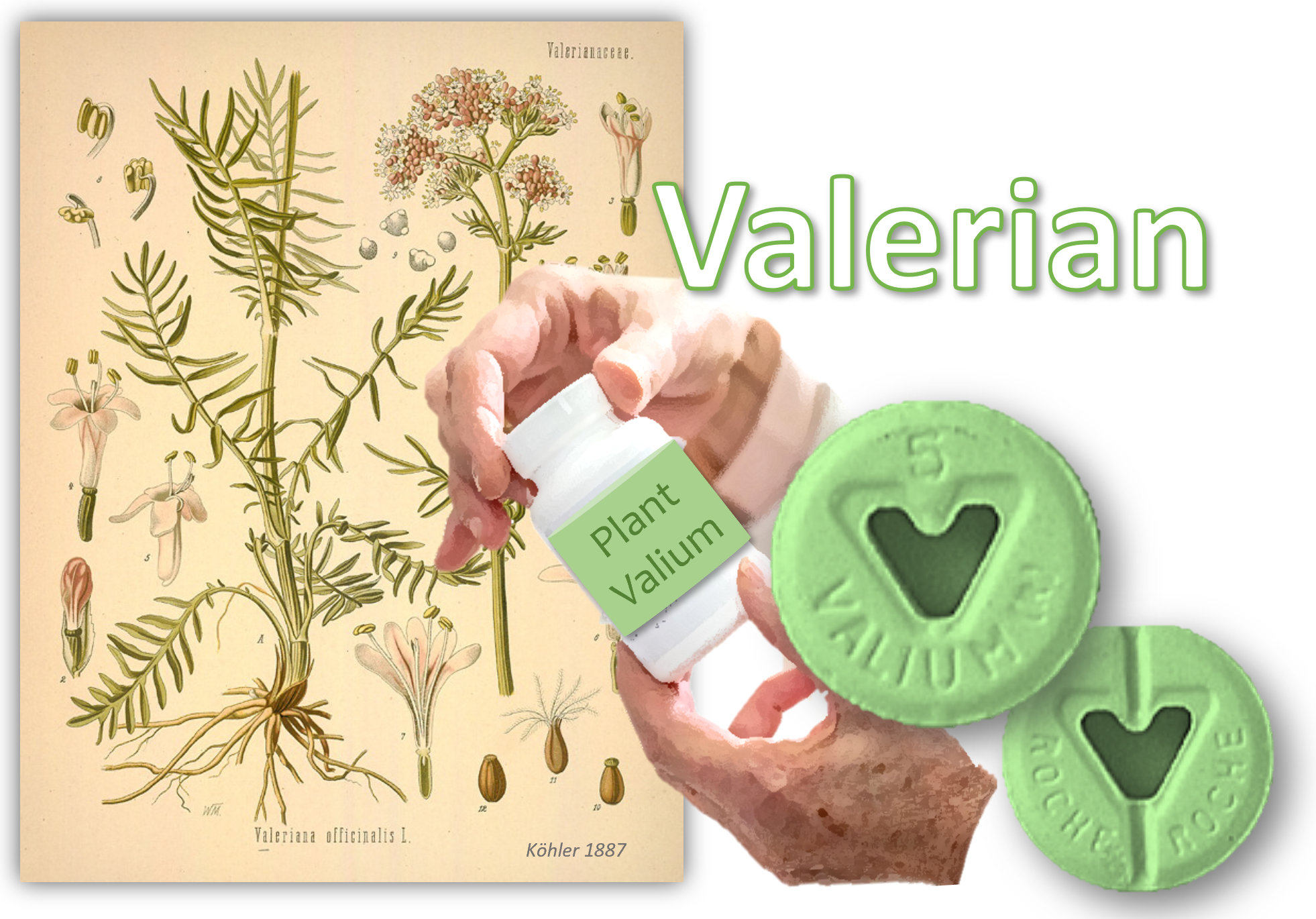
Large doses might not be safe, especially when taken in combination with drugs and other supplements with similar action. A 48-year-old woman who had been tapering off prescription bipolar medications—bupropion (Wellbutrin) and carbamazepine, (Tegretol)—took valerian in daily doses of 1,000 mg with a supplement containing the neurotransmitter, γ-aminobutyric acid (GABA). She went to the emergency room with what doctors diagnosed as encephalopathy. Her symptom included profound sleepiness, elevated blood pressure, high heart rate, sweating and agitation which resolved after stopping the supplements. Her symptoms were attributed to valerian overdose. 9
But, “toxicity or major side effects with valerian are rare” according authoritative sources cited by authors of the above case description. 10, 11 Mild symptoms of valerian overdose include “fatigue, abdominal cramps, chest tightness, lightheadedness, hand tremor, and mydriasis (dilation of pupils), which usually resolve within 24 hours” after stopping, according to authoritative sources cited by these authors. 12, 13 Higher doses of valerian can cause headaches, acute or delayed liver toxicity, cognitive decline, dry mouth, mood alterations including feeling excited or uneasy, strange and vivid dreams, and sleepiness, according to an authoritative source cited by authors. 14, 15
There was a case report of abdominal cramping, lightheadedness and tremor of the hand and foot in a patient taking 20 times the typical valerian dose. These adverse reactions were labeled as valerian overdose symptoms.16
Rare Case Reports of Toxicity

Valerian and valerian-containing multi-ingredient dietary supplements have been linked to liver toxicity in rare case reports. There have been case reports of liver toxicity that have been linked to multi-ingredient oral preparations containing valerian. 17, 18 Isolated case reports of liver and possible pancreatic toxicities have been reported with single-herb valerian products. 19, 20, 21 One case-control study identified valerian as a potential contributor to cases of acute pancreatitis of unknown cause. 22
Long-term use of single-herb valerian products have rarely caused liver toxicity, according to an expert panel. 23 The experts point out that some of the multi-ingredient products containing valerian that have been linked to liver toxicity may have been contaminated. 24
Any supplement can contain harmful impurities. Safety-conscious supplement manufacturers use proven methods to batch test their final products for purity and potency. Some supplement companies use third-party testing of the final product and some offer a certificate of analysis to consumers upon request.
Valerian Safer than Pharmaceuticals, Evidence Suggests
Short-term use of valerian at typical dosing seems to be safer than chronic use of sleeping pills. But regulatory scrutiny regarding the approval of new drugs is more rigorous than for natural products.
The use of sleeping pills such as prescription drugs like Ambien “is associated with an increased risk of mortality and shortened life expectancy,” according to a 2023 study. Researchers followed 484,916 Taiwanese adults living in the community from 1994 to 2011. “Regular users should be aware of potential harms from sleeping pills,” the researchers concluded.
The frequency and severity of valerian withdrawal appears to markedly lower than that of anti-anxiety medications and sleeping pills like Xanax 25and Ambien 26—drugs that can cause dependency and withdrawals symptoms when people stop taking them. Abrupt discontinuation of benzodiazepines—drugs like Xanax, Valium and Ativan—can cause fatal seizures. Tapering off these drugs should only be done under a doctor’s supervision. Reports of valerian withdrawal symptoms do not appear to include fatal seizures as can happen with drugs like Valium and Xanax.
Dependence & Withdrawal: How does valerian compare to drugs?

“Prolonged use of valerian might result in dependence, and withdrawal symptoms upon discontinuation” according to experts at NatMed Pro. 27 In comparison, pharmaceuticals frequently cause dependence and about 100% of long-term users of anti-anxiety drugs called benzodiazepines like Valium and Xanax will get withdrawal from the pharmaceuticals.
About 40% of those who take benzodiazepines for more than 6 months will have a moderate to severe withdrawal, and the other 60% will have a relatively mild withdrawal syndrome if the drug is stopped suddenly, according to an article in the British Journal of Clinical Pharmacology. 28 Serious withdrawal symptoms can include potentially fatal seizures.
It is estimated that between 10–25% of people who use benzodiazepines for extended periods experience withdrawal symptoms that last for 12 months or longer. 29
“Benzodiazepine use for as little as 3 to 6 weeks, even while adhering to therapeutic doses, is associated with the development of physical dependence, with between 15–44% of chronic benzodiazepine users experiencing protracted moderate to severe withdrawal symptoms upon cessation, including emergent anxiety and depressive symptoms,” according to research cited in the British Journal of Clinical Pharmacology. 30, 31, 32, 33
Severe benzodiazepine withdrawal symptoms require medication management by a physician.
According to an article in the British Journal of Clinical Pharmacology, symptoms of benzodiazepine withdrawal can include:
- Psychosis including hallucinations, delusions, and delirium
- Anxiety and related symptoms such as panic attacks, hyperventilation, tremor, sleep disturbance (insomnia), muscle spasms, anorexia, weight loss, visual disturbance, sweating, mental discomfort or suffering (dysphoria)
- Perceptual distortions like hypersensitivity to stimuli, for example consistently exaggerated or inappropriate responses to sounds that are neither threatening nor uncomfortably loud to a typical person (hyperacusis); abnormal bodily sensations; a sense of detachment from one’s body or from reality as though one is seeing oneself from outside one’s body or the sense that one’s surroundings are not real (depersonalization/derealization).
- Grand mal seizures, which can be life-threatening
Other symptoms can include poor concentration, loss of sex drive, depression or mood swings.
Valerian’s withdrawal symptoms are less intense than those experienced by people discontinuing long-term benzodiazepine use. Withdrawal symptoms such as elevated heart rate, anxiety, irritability, and insomnia are possible when valerian is taken long-term and then abruptly discontinued. 34 Experts advise patients to lower valerian dose gradually rather than stopping all at once.
While dependency and withdrawal appears to be a common occurrence in those taking benzodiazepines long-term, there are rare case reports of such symptoms with valerian. For example, withdrawal from chronic valerian use has been associated with a case of cardiac failure in a patient with heart problems and also a case of hallucinations.
In 1998, an elderly patient with mild cognitive impairment, major depression, anxiety, and chronic kidney disease experienced hallucinations, confusion, and agitation after an abrupt discontinuation of a 6-month course of daily valerian 600 mg. His symptoms resolved in about 5 days. 35
One patient with a history of coronary artery disease who took high doses of valerian for an extended period of time experienced elevated heart rate leading to heart failure when this person discontinued taking valerian. 36 These symptom’s were labeled as valerian withdrawal symptoms.
Valerian Might Interact with Drugs & Supplements
Compared to other supplements and medications, interactions may be less frequent. Valerian might interact with drugs prescribed to treat anxiety, insomnia and seizures as well as tranquilizing medications prescribed to treat psychiatric disorders and anesthesia. Theoretically, valerian might lengthen sedation time of these drugs, increase their sedating effects and may have other added effects such as on breathing. Valerian might have such additive sedative effects when mixing it with alcohol or other sedating medications or supplements.
Valerian might interact with anesthesia. Experts warn that valerian should be discontinued at least two weeks before surgery.
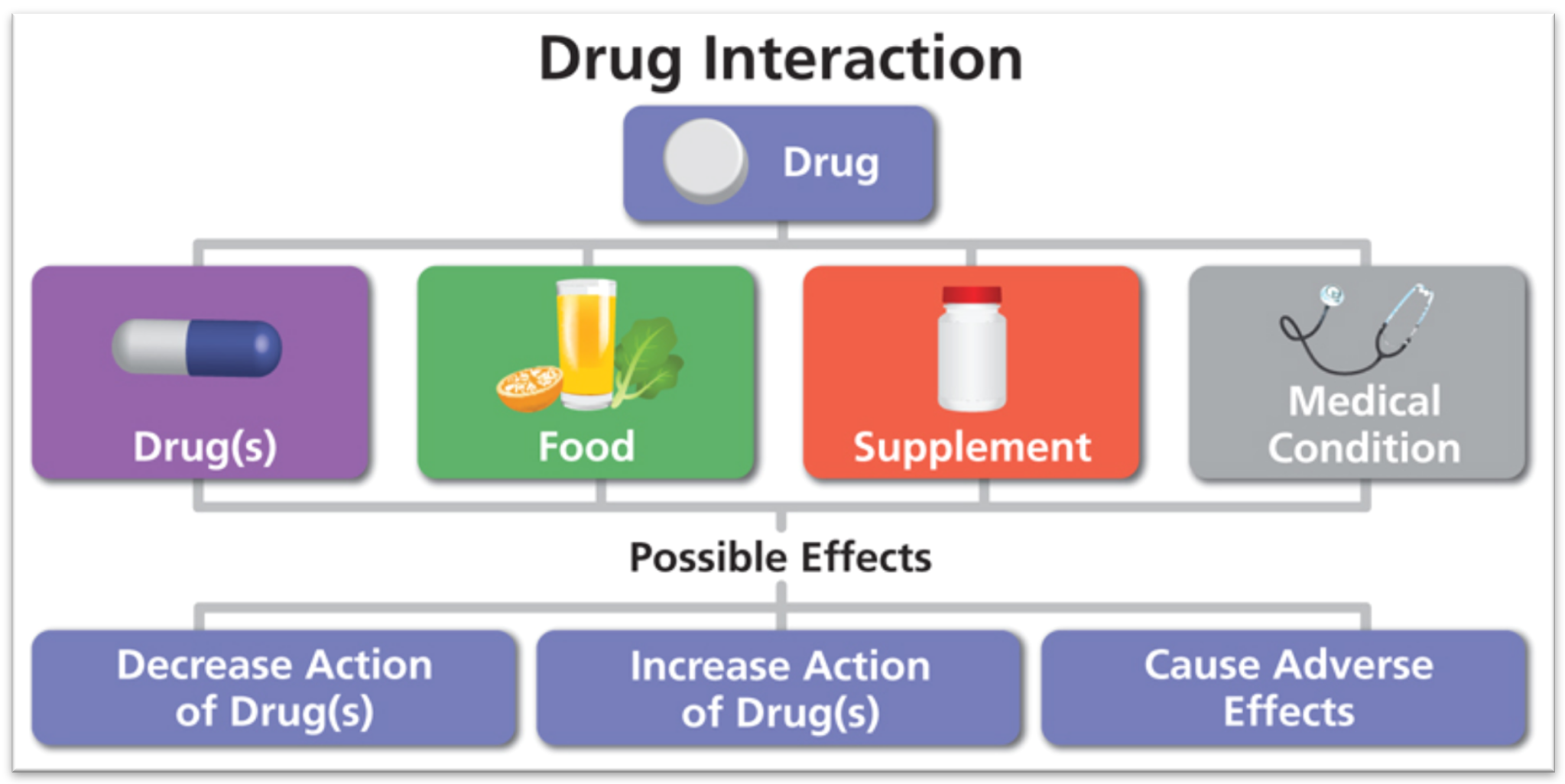
Always consult a physician before starting or stopping any medications or supplements.
An animal study suggests valerian might heighten the effects of Haldol (haloperidol). There’s a risk that taking valerian with Haldol might cause liver toxicity. 37 Valerian might interact with GABA-containing supplements. 38
Theoretically, valerian might heighten the effects of alcohol leading to excessive sedation. A person who regularly consumed alcohol in problematic amounts became overly sedated when adding a combination of valerian and the herb gingko with alcohol. 39 But there is evidence that another herbal combination—valerian and lemon balm—when taken with alcohol does not have an additive effect over-and-above the effects of alcohol. 40 Reaction ability and reaction rate were not significantly different on the herbal combination than with alcohol alone.
Valerian may add to the sedating effects of sedating medications and potentially sedating supplements like:

- Anti-anxiety medications—benzodiazepines examples include Xanax (alprazolam), Ativan (lorazepam), Valium (diazepam), and Halcion (triazolam);
- Sedating prescription medications examples include Ambien (zolpidem) Luminal (phenobarbital);
- Over-the-counter sleeping medications examples include Unisom (doxylamine), Sominex, and Nytol (diphenhydramine)
- Antihistamines and drugs for motion sickness examples include Dramamine (dimenhydrinate) and Benadryl (diphenhydramine);
- Tranquilizing medications examples include Abilify (aripiprazole) and Clozaril (clozapine) Seroquel (quetiapine), Risperdal (isperidone), quetiapine (Seroquel), Zyprexa (olanzapine), Zeldox (ziprasidone), Invega (paliperidone), Haldol (haloperidol), pentobarbital and Quaalude (methaqualone)
- Antiseizure medications (anticonvulsants) examples include Briviact (brivaracetam), Epidiolex (cannabidiol), Tegretol (carbamazepine) and Klonopin (clonazepam)
- Anesthetics used in surgery;
- Sedating pain medications examples include OxyContin (oxycodone), Vicodin (hydrocodone), tramadol and codeine; and

- Botanical medicines, nutritional and other supplements examples include
- bio-identical hormones, progesterone-based or progestin-based products
- ashwagandha
- bacopa
- black seed
- California poppy
- cannabis, tetrahydrocannabinol (THC), cannabidiol (CBD)
- chamomile
- gotu kola
- hops
- Jamaican dogwood
- kava
- tryptophan
- 5-HTP (5-hydroxytryptophan)
- lavender
- lemon balm
- magnolia
- melatonin
- passion flower
- rhodiola
- saffron
- skullcap
- wild cherry
- wormwood
- tianeptine (a dangerous drug sold as a nutritional supplement)
Theoretically, taking valerian in combination with sedating drugs, alcohol and/or sedating supplements might impact one’s ability to drive or operate heavy machinery. Though such interactions with sedating substances are largely theoretical, some experts say that valerian “should not be taken along with alcohol or sedatives.” 41
Other types of interactions with drugs and supplements may occur. A patient took a valerian and passionflower combination with the anti-anxiety drug Ativan (lorazepam) and experienced throbbing and muscular fatigue, shaking of the hands and dizziness. 42
The above is not a complete accounting of all possible drug and supplements that could interact with valerian.
Always consult a qualified healthcare provider for medical advice.
Valerian Side Effects
Though experts report that valerian is generally well-tolerated, 43 it has some side effects.
According to an expert panel of physicians and pharmacists at NatMed Pro, the most common side effects of valerian are: dizziness, drowsiness, and mental slowness. 44
Some people have had a paradoxical reaction to valerian, getting more energized, agitated, keyed up and restless instead of calm and sleepy. In some people, valerian may trigger insomnia. 45
As discussed above, like the benzodiazepine drugs such as Valium—valerian might have withdrawal effects upon stopping the herb. However, any potential withdrawal effects of valerian appear to be markedly less intense, less prolonged and far less frequent than what can be expected from similar usage patterns from taking one of its pharmaceutical counterparts like Xanax or Ativan. (See above)
“When used chronically and abruptly stopped, symptoms of [valerian] withdrawal such as tachycardia [elevated heart rate], anxiety, irritability, and insomnia might occur,” according to experts at NatMed Pro. 46 Other potential valerian withdrawal symptoms could include agitation and hallucinations. These symptoms were more intense in people who took higher doses of valerian.
Withdrawal effects seem to be more likely when taking the herb for extended periods of time. Experts recommend that those patients who have been taking valerian for longer than is typical should be tapered off the herb. 47
Drug tapers are mandatory when there has been extended use of benzodiazepine drugs like Xanax and Valium because of the risk of potentially fatal seizures. (See section on “Dependence & Withdrawal” above)
There are rare case reports of liver and pancreatic toxicity. (See section entitled “Rare Case Reports of Toxicity”)
Memorial Sloan Kettering Cancer Centers’ herbal database, an authoritative source, reports “occasional, anecdotal, or possibly related” side-effects as including “headache, diarrhea and other GI complaints, daytime sedation/dullness, impaired alertness, depression, irritability, dizziness, sweating, heart palpitations, bitter taste, benzodiazepine-like withdrawal symptoms with supplement cessation.” 48
Side effect severity increase with increases in the valerian dose.
There was a single case report of abdominal cramping, lightheadedness and tremor of the hand and foot in a patient taking 20 times the typical valerian dose. These adverse reactions were labeled as an overdose symptoms.16
Other reported side effects include sleepiness, fatigue, mental dullness, excitability, dry mouth, uneasiness and vivid dreams. 50, 51
Some advise patients to exercise caution regarding valerian use and driving or operating heavy machinery. But it’s unclear if such advice is warranted.
Morning sleepiness was reported by patients taking 900 mg of valerian the night before, researchers found. 52 But, clinically significant effects on reaction time, alertness and concentration the morning after taking 600 mg of valerian were not seen in patients in another study. 53, 54
Unlike Valium, the drug, high doses of valerian do not appear to significantly affect mood, cognitive and motor coordination processes such as driving a car and other eye-hand coordination tasks like sewing, throwing a ball or typing. 55, 56, 57
In clinical studies, the most common valerian side effects—headaches, dizziness, pruritus (itching skin), and gastrointestinal disturbances—were also reported by the patients taking the fake valerian placebo in the control group arm of the study. 58 This poses the possibility that these symptoms are not actually valerian side-effects but are instead symptoms caused by the belief of study participants that they are taking a powerful botanical medicine.
But in other studies, participants taking valerian reported more diarrhea, nausea, vomiting, and stomach pain than participants not taking the herb, according to experts at NatMed Pro. 59 For example, a 2010 analysis of the data from 18 randomized, controlled studies found an increase in diarrhea. 60
There was a case report of one young woman taking valerian who experienced hypomania with symptoms such as euphoric mood, rapid speech, and increased sociability and sexual interest—all of which resolved 2 weeks after stopping valerian and taking the tranquilizing medication Seroquel. Her symptoms were labeled as “valerian-induced hypomania.” 61
Valerian may have caused a skin rash in a study participant where valerian was used to treat restless leg syndrome. 62
The above is not an all-inclusive list of possible adverse effects that taking valerian supplements might cause. Always consult your doctor before taking starting or stopping any supplement or medication.
For more information on valerian, click links below:
Insomnia, Anxiety & Depression: Is Valerian Effective?
How effective is valerian for insomnia?

To find out more about Mood Change Medicine, click link below:

Care informed by the understanding that emotional and physical wellbeing are deeply connected
________________________________________________________________________________________________________________
By using MoodChangeMedicine.com, you agree to accept this website’s terms of use, which can be viewed here.
Citations
- “Valerian”. NatMed Pro Therapeutic Research Center database. current through 4/12/2024. Last modified 8/9/2023. Accessed June, 2024. ↩︎
- Valerian | NCCIH Health Information. Last Updated: October 2020. Accessed Jan. 10 2024 ↩︎
- “Valerian”. NatMed Pro Therapeutic Research Center database. current through 4/12/2024. Last modified 8/9/2023. Accessed June, 2024. ↩︎
- “Valerian”. NatMed Pro Therapeutic Research Center database. current through 4/12/2024. Last modified 8/9/2023. Accessed June, 2024. ↩︎
- Valerian | NCCIH Health Information. Last Updated: October 2020. Accessed Jan. 10 2024 ↩︎
- “Valerian Fact Sheet for Health Professionals”National Institutes of Health Last Updated: March 15, 2013. Accessed Jan 10 2024 ↩︎
- “Valerian”. NatMed Pro Therapeutic Research Center database. current through 4/12/2024. Last modified 8/9/2023. Accessed June, 2024. ↩︎
- “Valerian.” Memorial Sloan Kettering Cancer Centers’ herbal database Last Updated November 21, 2023. Accessed Jan 2024. ↩︎
- Freitas C, Khanal S, Landsberg D, Kaul V. “An Alternative Cause of Encephalopathy: Valerian Root Overdose.” Cureus. 2021 Sep 6;13(9):e17759. ↩︎
- Valerian. Hadley SK, Petry JJ. American Family Physician .aafp.org/afp/2003/0415/p1755.html Am Fam Physician. 2003;15:1755–1758. [PubMed] [Google Scholar] ↩︎
- “Valerian uses, benefits and dosage.”[ Oct; 2020 ]; drugs.com/npp/valerian.html 2020 13 [Google Scholar] ↩︎
- Hadley SK, Petry JJ. “Valerian.” aafp.org/afp/2003/0415/p1755.html Am Fam Physician. 2003;15:1755–1758. [PubMed] [Google Scholar] ↩︎
- “European Union herbal monograph on Valeriana officinalis L., radix.” [ Sep; 2021 ]; ema.europa.eu/en/documents/herbal-monograph/final-european-union-herbal-monograph-valeriana-officinalis-l-radix_en.pdf 2016 9 [Google Scholar] ↩︎
- “Assessment report on Valeriana officinalis L., radix and Valeriana officinalis L., aetheroleum.” [ Sep; 2021 ];ema.europa.eu/en/documents/herbal-report/final-assessment-report-valeriana-officinalis-l-radix-valeriana-officinalis-l-aetheroleum_en.pdf 2016 ↩︎
- Freitas C, Khanal S, Landsberg D, Kaul V. “An Alternative Cause of Encephalopathy: Valerian Root Overdose.” Cureus. 2021 Sep 6;13(9):e17759. ↩︎
- Willey LB, Mady SP, Cobaugh DJ, Wax PM. “Valerian overdose: a case report” Vet Hum Toxicol 1995;37:364-5. ↩︎
- MacGregor FB, Abernethy VE, Dahabra S, et al. “Hepatotoxicity of herbal remedies.” BMJ 1989;299:1156-7. ↩︎
- Kia YH, Alexander S, Dowling D, Standish R. “A case of steroid-responsive valerian-associated hepatitis.” Intern Med J. 2016 Jan;46(1):118-9. View abstract. ↩︎
- Douros A, Bronder E, Andersohn F, et al. “Drug-induced acute pancreatitis: results from the hospital-based Berlin case-control surveillance study of 102 cases.” Aliment Pharmacol Ther. Oct 2013;38(7):825-834. ↩︎
- Cohen DL, Del Toro Y. “A case of valerian-associated hepatotoxicity.” J Clin Gastroenterol. Sep 2008;42(8):961-962. ↩︎
- Vassiliadis T, Anagnostis P, Patsiaoura K, et al. “Valeriana hepatotoxicity.” Sleep Med. Sep 2009;10(8):935. ↩︎
- Douros A, Bronder E, Andersohn F, et al. “Drug-induced acute pancreatitis: results from the hospital-based Berlin case-control surveillance study of 102 cases.” Aliment Pharmacol Ther. Oct 2013;38(7):825-834. ↩︎
- “Valerian”. NatMed Pro Therapeutic Research Center database. current through 4/12/2024. Last modified 8/9/2023. Accessed June, 2024. ↩︎
- “Valerian”. NatMed Pro Therapeutic Research Center database. current through 4/12/2024. Last modified 8/9/2023. Accessed June, 2024. ↩︎
- Alprazolam. National Library of Medicine MedlinePlus. Last Revised – 05/15/2021. Accessed January 2024 ↩︎
- AMBIEN (Package Insert) Medication Guide approved by the U.S. Food and Drug Administration. Sanofi-aventis U.S. LLC October 2014 accessdata.fda.gov/drugsatfda_docs/label ↩︎
- “Valerian”. NatMed Pro Therapeutic Research Center database. current through 4/12/2024. Last modified 8/9/2023. Accessed June, 2024. ↩︎
- Hood, S.D., Norman, A., Hince, D.A., Melichar, J.K. and Hulse, G.K. “Benzodiazepine dependence and its treatment.” Br J Clin Pharmacol. 2014. 77: 285-294. https://doi.org/10.1111/bcp.12023 ↩︎
- Ashton H. “Protracted withdrawal from benzodiazepines: the post-withdrawal syndrome.” Psychiatr Ann 1995; 25: 174–179. View Web of Science® Google Scholar ↩︎
- Hood, S.D., Norman, A., Hince, D.A., Melichar, J.K. and Hulse, G.K. “Benzodiazepine dependence and its treatment.” Br J Clin Pharmacol. 2014. 77: 285-294. https://doi.org/10.1111/bcp.12023 ↩︎
- Ashton H. “Protracted withdrawal from benzodiazepines: the post-withdrawal syndrome.” Psychiatr Ann 1995; 25: 174–179. View Web of Science® Google Scholar ↩︎
- Petursson H, Lader MH. “Withdrawal from long-term benzodiazepine treatment.” Br Med J (Clin Res Ed) 1981; 283: 643–645. View CAS PubMed Web of Science® Google Scholar ↩︎
- de las Cuevas C, Sanz EJ, de la Fuente JA, Padilla J, Berenguer JC. “The Severity of Dependence Scale (SDS) as screening test for benzodiazepine dependence: SDS validation study.” Addiction 2000; 95: 245–250. View CAS PubMed Web of Science® Google Scholar ↩︎
- “Valerian”. NatMed Pro Therapeutic Research Center database. current through 4/12/2024. Last modified 8/9/2023. Accessed June, 2024. ↩︎
- Burke H, Jiang S, Chatham P, et al. “Delirium After Withdrawal From Valerian Root: A Case Report.” Psychosomatics. Nov-Dec 2020;61(6):787-790. ↩︎
- Garges HP, Varia I, Doraiswamy PM. “Cardiac complications and delirium associated with Valerian root withdrawal.” [Letter to the Editor]. JAMA 1998;280:1566-7. View abstract. ↩︎
- Dalla Corte CL, Fachinetto R, Colle D, et al. “Potentially adverse interactions between haloperidol and valerian.” Food Chem Toxicol. Jul 2008;46(7):2369-2375. ↩︎
- Freitas C, Khanal S, Landsberg D, Kaul V. “An Alternative Cause of Encephalopathy: Valerian Root Overdose.” Cureus. 2021 Sep 6;13(9):e17759. ↩︎
- Chen D, Klesmer J, Giovanniello A, et al. “Mental status changes in an alcohol abuser taking valerian and gingko biloba.” Am J Addict. 2002 Winter;11:75-7. View abstract. ↩︎
- “Valerian”. NatMed Pro Therapeutic Research Center database. current through 4/12/2024. Last modified 8/9/2023. Accessed June, 2024. ↩︎
- Valerian | NCCIH Health Information. Last Updated: October 2020. Accessed Jan. 10 2024 ↩︎
- Carrasco MC, Vallejo JR, Pardo-de-Santayana M, et al. “Interactions of Valeriana officinalis L. and Passiflora incarnata L. in a patient treated with lorazepam.” Phytother Res. 2009 Dec;23:1795-6. View abstract. ↩︎
- “Valerian”. NatMed Pro Therapeutic Research Center database. current through 4/12/2024. Last modified 8/9/2023. Accessed June, 2024. ↩︎
- “Valerian”. NatMed Pro Therapeutic Research Center database. current through 4/12/2024. Last modified 8/9/2023. Accessed June, 2024. ↩︎
- “Valerian”. NatMed Pro Therapeutic Research Center database. current through 4/12/2024. Last modified 8/9/2023. Accessed June, 2024. ↩︎
- “Valerian”. NatMed Pro Therapeutic Research Center database. current through 4/12/2024. Last modified 8/9/2023. Accessed June, 2024. ↩︎
- “Valerian”. NatMed Pro Therapeutic Research Center database. current through 4/12/2024. Last modified 8/9/2023. Accessed June, 2024. ↩︎
- “Valerian.” Memorial Sloan Kettering Cancer Centers’ herbal database Last Updated November 21, 2023. Accessed Jan 2024. ↩︎
- Willey LB, Mady SP, Cobaugh DJ, Wax PM. “Valerian overdose: a case report” Vet Hum Toxicol 1995;37:364-5. ↩︎
- “Valerian”. NatMed Pro Therapeutic Research Center database. current through 4/12/2024. Last modified 8/9/2023. Accessed June, 2024. ↩︎
- Valerian | NCCIH Health Information. Last Updated: October 2020. Accessed Jan. 10 2024 ↩︎
- Leathwood PD, Chauffard F: “Aqueous extract of valerian reduces latency to fall asleep in man.” Planta Medica 1985. 2: 144-148. [PubMed abstract] ↩︎
- Kuhlmann J, Berger W, Podzuweit H, Schmidt U: The influence of valerian treatment on “reaction time, alertness and concentration” in volunteers. Pharmacopsychiatry 32: 235-241, 1999. [PubMed abstract] ↩︎
- Valerian Fact Sheet for Health Professionals National Institutes of Health Last Updated: March 15, 2013. Accessed Jan 10 2024 ↩︎
- Thomas K, Canedo J, Perry PJ, et al. “Effects of valerian on subjective sedation, field sobriety testing and driving simulator performance.” Accid Anal Prev. 2016 Jul;92:240-4. View abstract. ↩︎
- Glass JR, Sproule BA, Herrmann N, et al. “Acute pharmacological effects of temazepam, diphenhydramine, and valerian in healthy elderly subjects.” J Clin Psychopharmacol. 2003;23:260-8. View abstract. ↩︎
- Gutierrez S, Ang-Lee MK, Walker DJ, Zacny JP. “Assessing subjective and psychomotor effects of the herbal medication valerian in healthy volunteers.” Pharmacol Biochem Behav. 2004;78:57-64. View abstract. ↩︎
- Valerian Fact Sheet for Health Professionals National Institutes of Health Last Updated: March 15, 2013. Accessed Jan 10 2024 ↩︎
- “Valerian”. NatMed Pro Therapeutic Research Center database. current through 4/12/2024. Last modified 8/9/2023. Accessed June, 2024. ↩︎
- Fernández-San-Martín MI, Masa-Font R, Palacios-Soler L, Sancho-Gómez P, Calbó-Caldentey C, Flores-Mateo G. “Effectiveness of Valerian on insomnia: a meta-analysis of randomized placebo-controlled trials.” Sleep Med. 2010 Jun. 11(6):505-11. PM 20347389 ↩︎
- Aydinoglu U, Özcan H, Yücel A, Yücel N, Mutlu M. “Valerian induced hypomania: a case report.” Bull Clin Psychopharma 2012;22(Suppl. 1):S63. ↩︎
- Cuellar NG, Ratcliffe SJ. “Does valerian improve sleepiness and symptom severity in people with restless legs syndrome?” Altern Ther Health Med. 2009;15:22-8. View abstract. ↩︎

 Mood Change Medicine
Discussion
No comments yet.