By using MoodChangeMedicine.com, you agree to accept this website’s terms of use, which can be viewed here.
July 14, 2024
By Joie Meissner ND, BCB-L
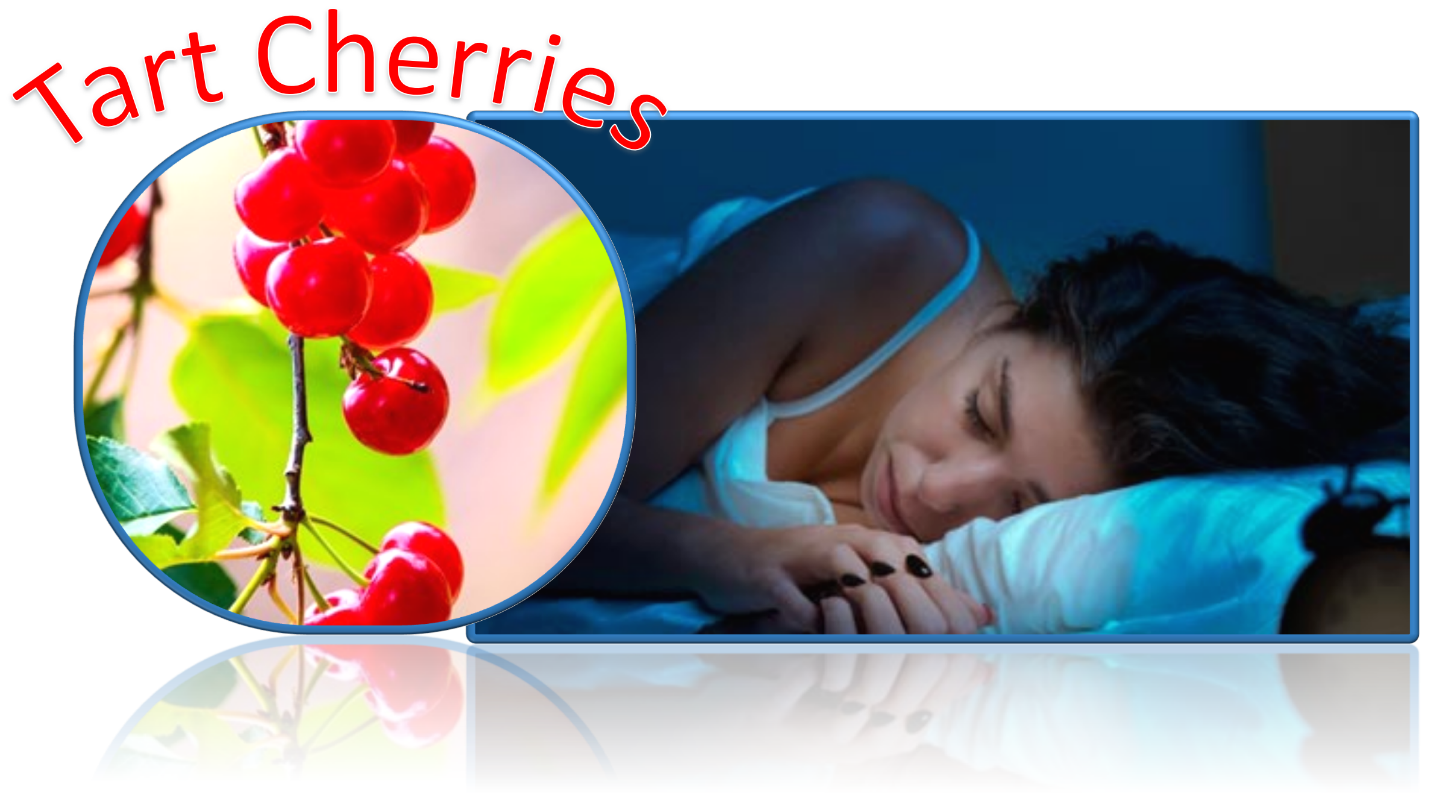
There are almost 300 varieties of tart or sour cherries (prunus cerasus). Montmorency cherries are probably the most well-known to US residents.
SNAPSHOT ON CHERRY

- Cherries are an amazing superfood, loaded with health-promoting anthocyanins and polyphenols.
- Evidence from cherry studies increasingly shows benefits for sleep. Tart cherries may improve sleep and reduce insomnia, some studies show. Tart cherries extended total sleep time, with benefits rivaling that of sleeping pills like Ambien, one small study found.
- Tart cherries contain the sleep-promoting hormone melatonin. But that’s not the only way they might work to promote sleep. Constituents in tart cherries act on the body to boost the melatonin-precursor tryptophan and alter sleep-regulating biochemicals called cytokines.
- One study showed tart cherries extending total sleep time more than most sleep medications. Sleeping pills like Ambien can be associated with serious adverse effects. But tart cherries are not linked to serious adverse effects.
- Cognitive Behavioral Therapy for Insomnia (CBT-I) should be the initial treatment for insomnia (not medications), a 2016 press release from the American College of Physicians said.
- Combining cherry with CBT-I might be helpful, especially for people over 50. And cherry has a host of other potential health benefits beyond possible improvements in sleep.
- Certain cherry products are more potent than others.
- Safety of supplements that contain cherry is largely unknown, but there are very few reported adverse effects or side-effects in the scientific literature.
Research on cherries is ongoing. There are over 29 clinical studies looking at the health benefits of cherries and their products. Studies on cherries—some animal and some clinical studies in humans—suggest that cherries may lower risk factors for arthritis, diabetes, cardiovascular disease and have beneficial affects including for lowering stress hormones, improving anxiety, mood, memory and reducing exercise-induced muscle soreness and loss of strength. 1
There are clinical studies showing that cherries, cherry juice or other cherry products improve sleep quality and quantity.
Effect on sleep manifests “within 3 days of consuming sweet cherries (141 g or 25 cherries/day) and within 5 days of consuming tart cherries (240 mL of tart cherry juice; approximately 100 cherries/day),” according to a 2018 peer-review analysis in the journal Nutrients. 2
In some small, clinical studies, sweet cherries 3, 4 and tart cherries 5, 6 improved both sleep quality and quantity.
Taking a sweet cherry product twice daily increased actual sleep time and significantly increased antioxidant capacity in small groups of healthy young, middle-aged, and elderly participants in a 2009 study. 7
Researchers in a 2013 study examined the effects of drinking a sweet cherry dessert beverage on the sleep of healthy young, middle-aged, and elderly people. Study participants showed improvements in sleep efficiency (the amount of time they are sleeping rather than being awake in bed), number of awakenings, sleep latency (the time it takes to fall asleep), subjective experience of time asleep, actual sleep time and potentially sleep-interfering body movements compared to control subjects drinking a Kool-Aid® placebo drink which contained no cherry. 8 “Generally, better results were obtained with advancing age,” researchers in this randomized, placebo-controlled study said.
Intake of the nutraceutical sweet cherry dessert “may contribute to establishing high-quality sleep and be used as a potential nutraceutical tool to prevent sleep disorders with the advance of age” was the conclusion of the 2013 study. 9
Fifteen adults aged 65 years and older with chronic insomnia who drank an 8-ounce glass of a specific juice blend containing 90% tart cherry juice twice a day for two weeks showed modest improvement in insomnia severity, according to a 2010 study. 10 When compared to placebo, the study beverage produced significant reductions in the number of minutes the older insomniacs were awake after falling sleep, but it did not help them fall asleep faster, researchers from this randomized, controlled study found.
The researchers concluded that the cherry juice blend “has modest beneficial effects on sleep in older adults with insomnia with effect sizes equal to or exceeding those observed in studies of valerian and in some, but not all, studies of melatonin (sleep-hormone), the two most studied natural products for insomnia. These effects, however, were considerably less than those for evidence-based treatments like cognitive-behavioral therapies for insomnia,” the researchers said. 11
Because we can have more problems sleeping as we age, it is especially encouraging to see promising study results for healthful sleep aids like cherry that can be taken long-term by elders with sleep problems.
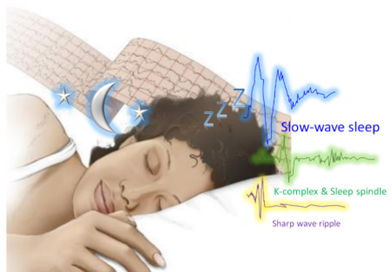
Production of the natural sleep-hormone melatonin declines with age. By 20 to 30, we have two thirds of the melatonin we had as young children. And by age 40, our melatonin levels are only half of what they were when we were kids. By our mid- to late 60’s, melatonin production declines to about 20% of the melatonin we had as children. Declining melatonin levels combined with other factors such as shifts in the body’s sleep clock and in the stages of sleep that occur with aging contribute to sleep problems in seniors.
Combining cherry with cognitive behavioral therapy for insomnia (CBT-I), might provide added benefit. Cherry will not unseat CBT-I as the leading treatment for insomnia, but it is certainly more healthful than taking sleeping pills.
In a 2016 press release, the American College of Physicians (ACP) recommending CBT-I as the initial treatment for insomnia, asserting that “CBT-I is likely to have fewer harms” compared to sleeping pills and that “sleep medications can be associated with serious adverse effects,” according to ACP President Wayne J. Riley, MD, MPH, MBA, MACP. 12
Not all studies show benefits. In a 2022 study, tart cherry juice or capsules of a powered form of cherry did not improved sleep quality or total sleep time. 13 This might be because of the timing of when they took cherry or problems with the potency of cherries used in the study. We don’t know if the cherries in this study had lower melatonin, anthocyanin or polyphenol content than those used in other studies. The study found that the blood levels of melatonin in the study participants who took cherry were not different than that of the study participants on a placebo drink that contained no cherry juice.
F.Y.I. — Cherries Beneficial Components

Most plants contain melatonin. Cherry not only contains melatonin, but also a melatonin precursor called tryptophan. Cherries are rich in anthocyanins, procyanidin and other polyphenols. The melatonin, tryptophan, anthocyanins, procyanidin and various polyphenols are postulated as driving the sleep-promoting benefits of this amazing superfood. For example, procyanidins are antioxidants. Certain procyanidins may boost the body levels of melatonin via their effect on the key melatonin-precursor tryptophan. Not all cherries have equal potency. Plants in the same species and genus can differ in the percentages of constituents they contain. It can be thought of like this; not all carrots are equally sweet even when you plant the same variety in your garden from one year to the next. Variations are due to the amount of sunlight, soil and other factors. Produce that sits on store shelves contains reduced amounts of certain nutrients like the ones in cherries.
A 2012 study of tart cherry measured melatonin content. Twenty healthy adults less than 40 years of age who took about two tablespoons of a tart cherry juice concentrate with a specific amount of melatonin twice a day for a week had modest increases total sleep time and sleep efficiency when compared with those who took a concentrate which contained no cherry juice, this randomized, double-blind, placebo-controlled study found. 14
Blood levels of melatonin in the participants’ bodies was “significantly elevated in the cherry juice group,” the 2012 study said. 15 “There were significant increases in total sleep time and sleep efficiency” (less time spent awake in bed trying to sleep) in those who took the cherry juice, the study found.
F.Y.I. — Melatonin Peaks & Valleys


Our circadian sleep clock helps us to fall asleep at night and maintain alertness during the day. A key player in this process is the melatonin our bodies make. We make increasing amounts of melatonin at night, which helps us fall asleep.
Melatonin reaches a peak around bedtime and then drops before we awaken in the morning to keep us from sleeping during the day.
The 2012 study found that cherry juice didn’t change the timing of the melatonin peaks and valleys. But the researchers found a trend towards higher melatonin peaks.
The researchers in the 2012 study concluded that the melatonin in cherry juice “is beneficial in improving sleep duration and quality in healthy men and women and might be of benefit in managing disturbed sleep.” 16
But cherry seems to be more than just a vehicle to deliver melatonin, the dramatic results of a randomized, controlled study show. Adults over 50 years of age with insomnia who drank just over a cup of cherry juice twice daily for two weeks showed increased their total sleep time and sleep efficiency (the percentage of time asleep while in bed), a small 2018 study found. 17 These older cherry juice drinkers had a remarkable 84-minute increase in their total sleep time—as measure by polysomnography. A polysomnograph records brain waves, blood oxygen levels, heart rate, breathing, eye and leg movements during sleep and is used to diagnose sleep disorders.

The whopping 84-minute increase in their total sleep time is more than with most sleeping pills.
Most sleeping pills are not capable of extending total sleep time past one hour and frequently may only extend sleep time less than 30 minutes. In general, pharmaceutical sleep drugs have been found to extend sleep time by only between 10 and 30 minutes of extra sleep. For example, one study found that Ambien (zolpidem) yields only a 58 minute increase in total sleep time compared to patient’s baseline before taking the drug and 36 minute increase compared to taking a placebo pill that contains no Ambien. 18
Researchers found that a constituent in cherry juice, a procyanidin, has the ability to inhibit an enzyme found in the liver called IDO, yet another remarkable finding of this 2018 study.19 IDO degrades the melatonin-precursor tryptophan and stimulates inflammation. This means that cherries stop IDO from lowering tryptophan levels. More tryptophan is left to travel to the brain and get converted into melatonin.
F.Y.I.— Tryptophan Converts to Melatonin

Tryptophan is an amino acid we get from food. It travels from the gut to the brain where it can can be converted into melatonin. The conversion of tryptophan into melatonin is mainly controlled by daytime light exposure.
The 2018 study measured the blood of the participants and found that cherry juice increased tryptophan availability and reduced inflammation and they concluded that this may be partially responsible for improvement in insomnia, as opposed to the melatonin content of the juice.
These finding suggest that cherries do more for sleep than would just taking a melatonin supplement.
Though tart cherries juice contains both tryptophan and melatonin, it is the fact that a procyanidin component in cherry makes tryptophan more bioavailable. This is what is likely behind cherry’s effects on sleep. Neither tryptophan nor melatonin supplements have not been reliably found to extend sleep time by 84 minutes.
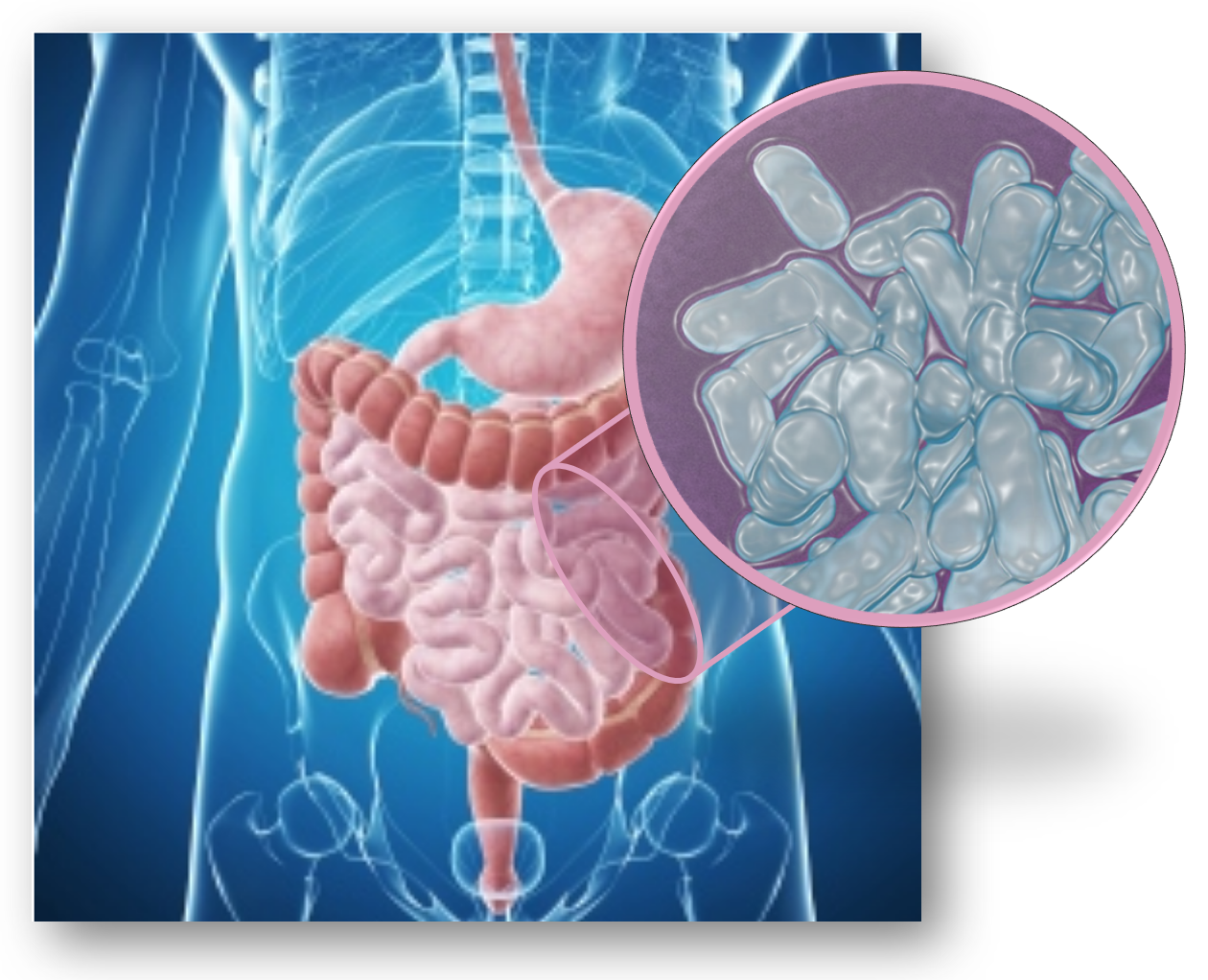
In the article entitled “Tryptophan for Sleep: Not as Simple as Popping a Pill,” we learn that a key factor in optimizing levels of the melatonin-precursor tryptophan from food is optimizing the richness, robustness and diversity of our gut bacteria as well as that of other nutrients. As well as boosting tryptophan levels, cherries provide the body with indigestible fibers that can promote a the health of the bacteria that colonize our GI tracts. (See “Nutrition for Making the Most of Natural Melatonin”)

Thus, it seems that cherry not only provides an external source of melatonin, it also boosts its precursor, tryptophan. 20 This can help us make more natural melatonin from the foods we eat.
This may be why the researchers in the 2012 study 21 found that cherry didn’t change the timing of the study participant’s nighttime melatonin peak but did find a trend towards higher peaks.
If the melatonin in the cherries was responsible for the 84-minutes of extra sleep found by the researchers, we might see differences in the timing of the melatonin peaks. But it’s likely that the extra melatonin our bodies are able to make naturally due to taking cherries that is what’s in play.
But there’s more to cherries than their effect on melatonin.
The anti-inflammatory properties of tart cherry related to their anthocyanin and polyphenol constituents could influence pro-inflammatory cytokines involved in sleep regulation. Cytokines are signaling proteins that help regulate inflammation and other bodily processes. Scientist say that their data confirms that pro-inflammatory cytokine genes are activated in animals fed high fat diets and that the anti-inflammatory effects of the tart cherries reduced levels of certain pro-inflammatory cytokines in their research. 22
F.Y.I. — Inflammation & Sleep
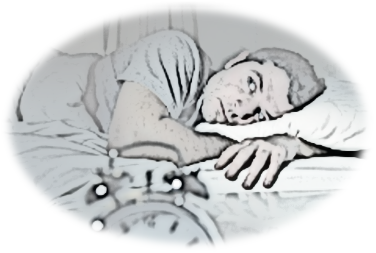
Many of the symptoms we get when we don’t sleep—feelings of sleepiness, fatigue, poor cognition, enhanced sensitivity to pain—can be triggered by injecting pro-inflammatory biochemicals called cytokines such as IL1 or TNF. 23 Sleep clears out cytokines and other biochemicals from the brain. Certain pro-inflammatory cytokines are elevated in chronic insomniacs. Several non-inflammatory cytokines have the capacity to promote sleep. For example, cytokines facilitate immune and brain responses, through their ability to modulate the expression of brain-derived neurotrophic factor (BDNF). BDNF has been found to promote sleep. 24 BDNF a neurotrophin. Neurotrophins are a family of neuronal growth factors that we use to rewire our brains, learn new skills. BDNF is a neurotrophin that has been found to be depleted in people with clinical depression and it rises when people recover from depression. More than a dozen cytokines may be involved in the regulation of sleep. 25
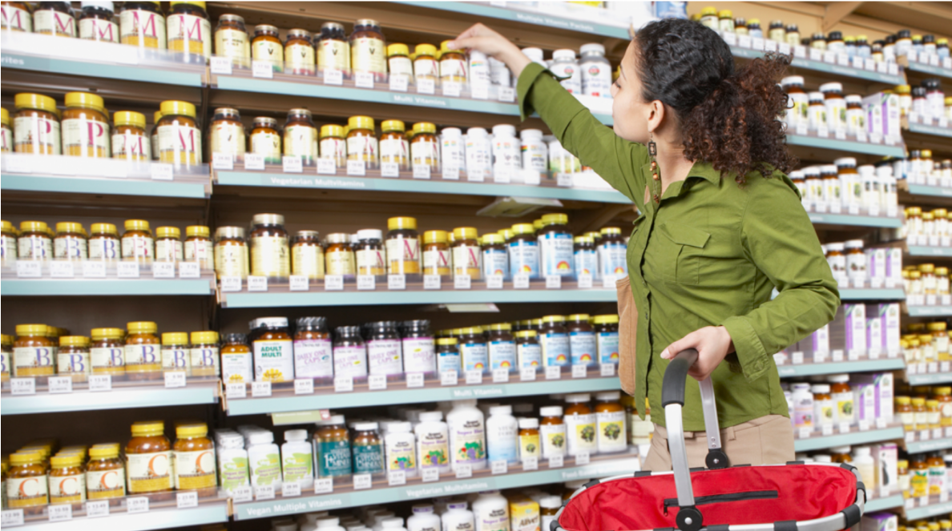
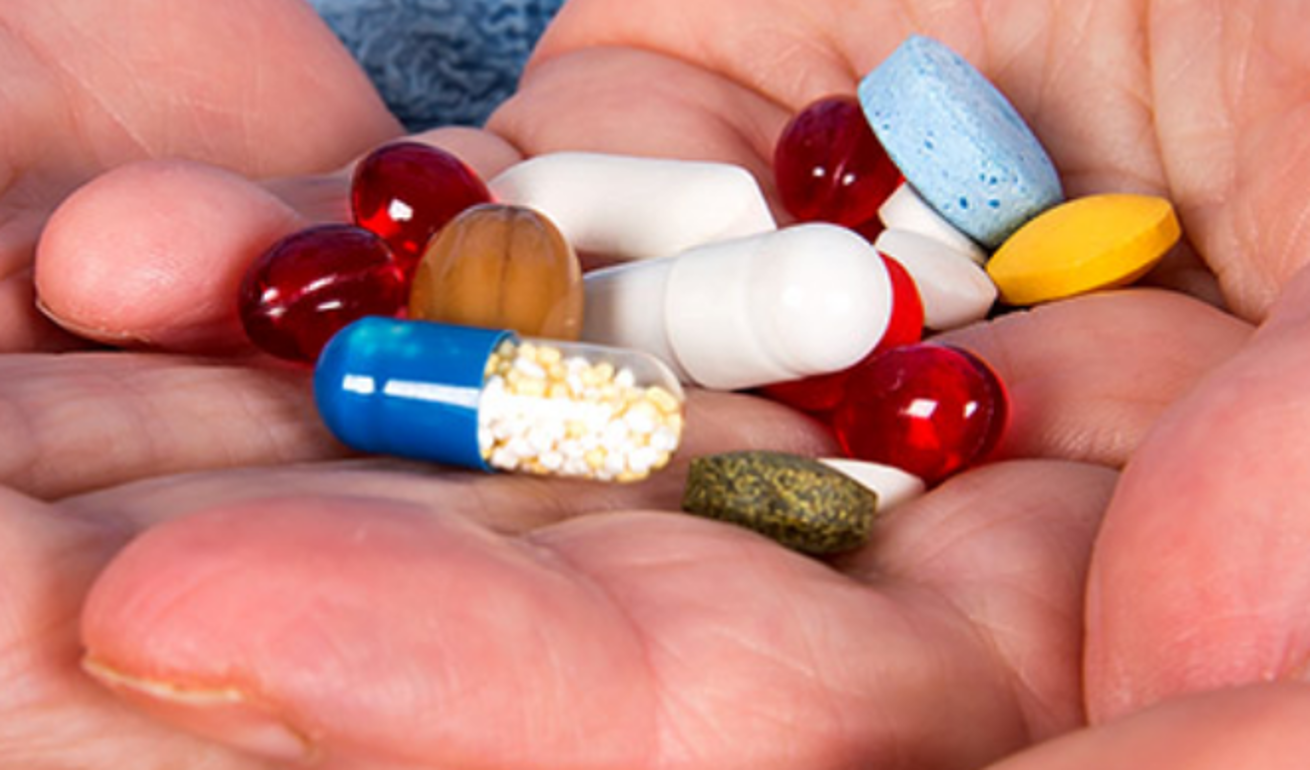
With the emerging evidence for cherry and improved sleep, supplement manufactures have begun to make natural sleep aid combination products with tart cherry.
Healthy study participants who took a combination product containing tart cherry powder, tryptophan, glycine, magnesium and L-theanine two hours before bedtime for three nights fell asleep faster, had increased total sleep time, better sleep efficiency (less time in bed not sleeping) and less morning sleepiness compared to those taking a placebo that contained only inactive ingredients, a randomized, controlled study showed. 26 On average, the cherry-combination supplement decreased the time it took to fall asleep by about 24 minutes and increased total sleep duration by about 22 minutes when compared with the placebo, the 2023 study found. 27

Because tryptophan, glycine, magnesium and L-theanine also might improve sleep, the study cannot prove that it was the cherry alone that was responsible for the sleep benefits found in the 2023 study.
See “Are Tryptophan Supplements Effective for Insomnia?” and “Tryptophan for Sleep: Not as Simple as Popping a Pill”
While people will likely need more than cherry to defeat their insomnia, it provides a much safer alternative to sleeping pills.
(See “Dietary Supplements vs. Sleeping Pills: The Pros & Cons”)
The most effective insomnia treatment doesn’t come out of a pill bottle or even a food. Overwhelming evidence shows that Cognitive Behavioral Therapy for Insomnia (CBT-I) is the most effective treatment for insomnia where the benefits last even after the treatment stops. This website’s FAQ page includes a brief description of how CBT-I works.
Click link and scroll down to learn about CBT-I
Mind-Blowing Benefits of Cherries
Cherries have outstanding health promoting benefits beyond their effects on sleep. Replete with bioactive food components including fiber and anti-oxidants like polyphenols, vitamin C, beta-carotene and potassium, cherries provide superlative nutrition. Tart cherries also contain carbohydrates; protein; the vitamins A and E; alpha-linolenic acid (an anti-inflammatory omega-3 fat found in plants); the minerals phosphorus and calcium; and the B vitamins folic acid and thiamine. Not only do they offer mind-blowing nutrition, they also are good sources of tryptophan, serotonin, and melatonin. And they contain the anti-inflammatory, anti-oxidant quercetin. 28
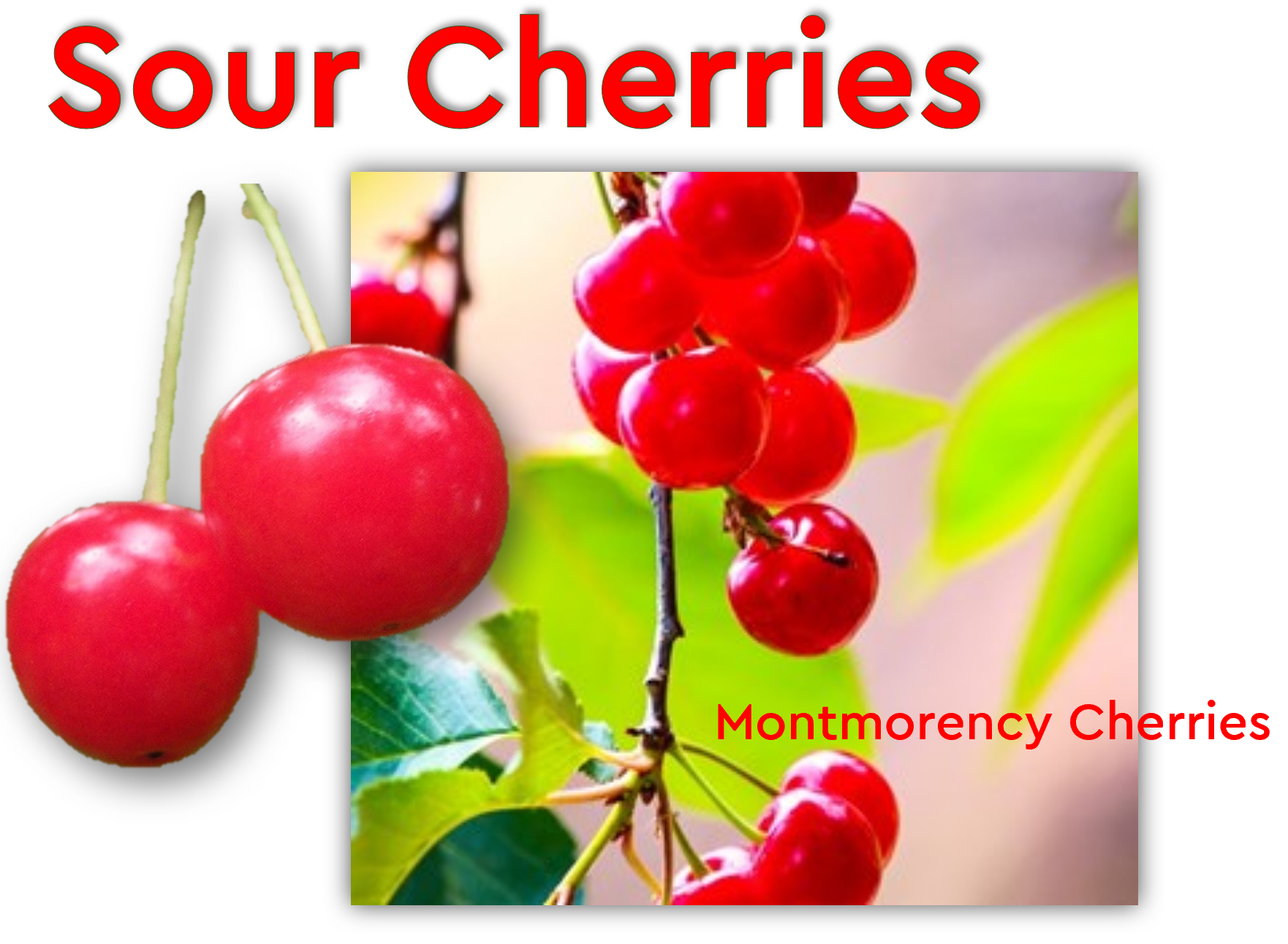
Like sweet cherries, tart or sour cherries—Montmorency cherries—offer many health benefits and they contain less sugar, than sweet cherries. Tart cherries have more vitamin A, beta-carotene, anthocyanins and antioxidant compounds—polyphenols—than sweet cherries. Some studies suggest polyphenols mitigate sun damage 29 and negative health effects of pollution. Diets rich in cherry constituents like polyphenols may offer protection against development of certain cancers,30 cardiovascular diseases,31, 32, 33 diabetes, 34, 35 memory 36 and cognitive decline,37 clinical and animal studies show. 38 Tart cherries, also called sour or pie cherries, are not as tart as cranberries but they are often used in baking because their increased tartness is maintained when cooked.
Cherries of all kinds have awesome flavor and are rich in anthocyanins. These are a group of the red, blue and purple pigments we see in plants, especially in berries. These highly pigmented compounds have powerful antioxidant and anti-inflammatory properties. These plant constituents have been shown to provide numerous health benefits including lowering blood pressure, reducing the risk of heart disease, preventing neurological diseases, and slowing cancer growth. In animal studies there is evidence of protecting the retina of the eyes, ameliorating obesity, improving blood sugar control, fighting bacterial infections and more. 39
Eating 45 to 270 cherries provides 55–720 mg of these health-promoting anthocyanins. 40
Cherries may improve mental and physical performance in clinical studies.
Tart cherries modestly improve athletic performance. For example, cherries can boost muscular strength and endurance, a number of studies show. 41, 42
Montmorency cherries, a tart/sour variety, may have an “anti-fatiguing effect as well as the ability to improve sustained attention during times of high cognitive demand” like when taking tests or doing tasks that require sustained attention, some data suggest. 43
Tart cherry fiber might help with weight loss by increasing the feeling of fullness, one study found. 44
Tart cherry juice might help slightly lower blood pressure, one small 2016 study found. 45
Cancer patients on anti-cancer drugs who took tart cherry juice concentrate for six weeks had a 35% reduction in pain. 46 In animal studies, tart cherries reduced pain levels as much as a strong pain-relieving medication, indomethacin. 47
Tart Cherry Safety
As may be obvious after reviewing the healthfulness of cherries, adding tart cherries to the diet is not only safe, it might even lower the risk of certain health problems. Though potential risks exist for diabetics and those allergic to cherries, some experts assert that cherries may be the ideal fruit for people with diabetes.
“Tart cherry has a low glycemic index and might be a good dietary choice in diabetes,” according to expert panel of physicians and pharmacists at NatMed Pro. 48
Some studies suggest that tart cherries may help lower blood sugar.
Diabetic women who took 40 mL a day of concentrated tart cherry juice for 6 weeks significantly decreased hemoglobin A1C (HbA1C) when compared with the levels before the supplementation, one study found.49 Hemoglobin A1C is a common blood test that measures the cumulative effects of blood sugar being elevated over a period of time. Blood sugar regulation by tart cherries has also been shown in animal and test tube studies. 50, 51
Tart cherries, like most fruits, contain carbohydrate sugars which can raise blood sugar. People with type 1 and type 2 diabetes must monitor their blood sugar and many take medication so that blood sugar doesn’t get too high and cause damage to the body.
Low glycemic index foods like whole tart cherries, celery and carrots are less likely to raise blood sugar levels than other foods like apples, rice cakes, corn flakes, pretzels, watermelon and white bread. Glycemic index is a measure of the ability of a food to raise blood sugar. But glycemic load is another way to measure how foods impact blood sugar that is a bit more accurate.
Eating whole cherries is less likely to raise blood sugar than drinking their juice. Juicing removes fibers that slow the rise in blood sugar from food that contain sugar. But the fiber also might prevent one from getting in as many of the active constituents in cherries as we can with a juice. That’s because fibers in whole cherries tend to limit the number of cherries we can eat before becoming too full to eat more.
Because tart cherries are tart, juice makers may add sweeteners or other high glycemic index fruit juices with high sugar content such as apple or white grape juice. Consumers wishing to avoid added sugars are best served by reading product labels. Eating cherries or drinking their juice with other foods that contain protein, fiber and fats helps prevent spikes in blood sugar.
Though tart cherries have less sugar than many fruits and though they may even lower blood sugar, diabetics or people with prediabetes need to work with a qualified healthcare provider to determine how to manage their diets including their intake of fruits and fruit juices including that of tart cherries.
Though some people may have gastrointestinal upset or loose stools from cherries, the main “side effect” of adding cherries to the diet appears to be better health.
Some people may wish to take cherry supplements instead of eating tart cherries or drinking their juice. Taking a cherry powder or supplement, is not the same as eating cherries or drinking cherry juice. It might implicate different safety considerations.
Tart Cherry Supplement Safety
There really haven’t been any safety studies on many food-based supplements including those made out of cherries.
“Cherry fruit extract or freeze-dried cherry powder up to 500 mg daily for up 7 days has been used with apparent safety,” according to a peer-reviewed report by experts at NatMed Pro. 52
There are no known drug or supplement interactions, interactions with lab tests or health conditions that could be negatively impacted by tart cherry supplementation, according to the expert peer-review report. 53 But these experts report that the effects of taking medicinal amounts of tart cherry such as in supplement-form during pregnancy are unknown and they recommend against it. 54
Products containing tart cherry powders or extracts that are combined with other ingredients like tryptophan, glycine, magnesium and L-theanine carry the potential risks associated with each of the ingredients as well as that of the potential risk of possible interactions between each of the specific combinations. For example, L-theanine may cause headaches and may interact with blood pressure medications and glycine might decrease the effectiveness of Clozaril (clozapine), a medication used to treat schizophrenia.

Possible side effects of tryptophan include heartburn, stomach pain, belching and flatulence, nausea, vomiting, diarrhea, dry mouth, and decreased appetite.
For more details on tryptophan see “How Safe are Tryptophan Supplements?” and “Tryptophan: Interactions with Drugs & Supplements”
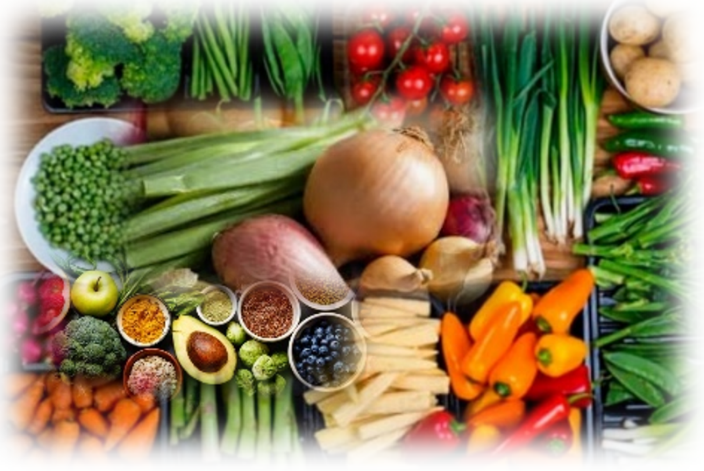
Adequate levels of nutrients that are needed for conversion of tryptophan to melatonin include vitamin B6 and folic acid, Vitamin C, Vitamin D, iron, magnesium, calcium, zinc and the omega-3 fatty acids. Click link below:
“Tryptophan for Sleep: Not as Simple as Popping a Pill”
Doses of magnesium greater than the tolerable upper intake level (UL) of about 350 mg/day frequently cause loose stools and diarrhea. People who take a combination tart cherry supplement which also contains magnesium together with a multi-mineral or vitamin or common over-the-counter antacids can end up exceeding the upper intake level (UL) for magnesium. High doses of magnesium during pregnancy can increase risk of neonatal mortality and neurological defects. Magnesium can interact with a number of health conditions, drugs and supplements. Magnesium competes with calcium for absorption in the GI tract. Depending on the doses taken, combining magnesium supplements with those containing calcium can lower the absorption of calcium and vice versa.
Tart Cherry Potency
Tart cherry juice is commonly consumed in ‘doses’ of one to two cups a day.
Depending on the product, an eight to twelve-ounce glass of juice might contain the polyphenol and anthocyanin—therapeutic components in cherry—equivalent to 50-60 tart cherries. Some tart cherry juice concentrates contain the therapeutic equivalent of about 90-100 tart cherries per 30 mL serving (30 mL is a little over 2 tablespoons).
Tart cherry processing can dramatically degrade the amount of one of cherry’s main therapeutic constituents—the anthocyanin content—by up to 90%. 55 Frozen, freeze-dried and tart cherry juice concentrates are likely more potent than canned or dried cherries.
As cherry juice sits on store shelves, it can also lose potency, with some research suggesting up to a 75% reduction in the original anthocyanin concentration after 6 months. 56
To find out how Mood Change Medicine helps people with both insomnia, click link below:
The information contained on this website is not a substitute for medical advice. Always consult a qualified health care provider before starting or stopping any medications or supplements and for diet advice.
Care informed by the understanding that emotional and physical wellbeing are deeply connected
________________________________________________________________________________________________________________
By using MoodChangeMedicine.com, you agree to accept this website’s terms of use, which can be viewed here.
Citations
- Kelley DS, Adkins Y, Laugero KD. “A Review of the Health Benefits of Cherries.” Nutrients. 2018 Mar 17;10(3):368. doi: 10.3390/nu10030368. PMID: 29562604; PMCID: PMC5872786. ↩︎
- Kelley DS, Adkins Y, Laugero KD. “A Review of the Health Benefits of Cherries.” Nutrients. 2018 Mar 17;10(3):368. doi: 10.3390/nu10030368. PMID: 29562604; PMCID: PMC5872786. ↩︎
- Garrido M., Espino J., Gonzalez-Gomej D., Lozano M., Cubero J., Toribio-Delgado A.F., et al. “A Nutraceutical Product Based on Jerte Valley Cherries Improves Sleep and Augments the Antioxidant Status in Humans.” e-SPEN Eur. e-J. Clin. Nutr. Metab. 2009;4:e321–e323. doi: 10.1016/j.eclnm.2009.09.003. [CrossRef] [Google Scholar] ↩︎
- Garrido M., Gonzalez-Gomez D., Lozano M., Barriga C., Paredes S.D., Rodriguez A.B. “A Jerte valley cherry product provides beneficial effects on sleep quality.” Influence on aging. J. Nutr. Health Aging. 2013;17:553–560. doi: 10.1007/s12603-013-0029-4. [PubMed] [CrossRef] [Google Scholar] ↩︎
- Pigeon W.R., Carr M., Gorman C., Perlis M.L. “Effects of a tart cherry juice beverage on the sleep of older adults with insomnia: A pilot study.” J. Med. Food. 2010;13:579–583. doi: 10.1089/jmf.2009.0096. [PMC free article] [PubMed] [CrossRef] [Google Scholar] ↩︎
- Howatson G., Bell P.G., Tallent J., Middleton B., McHugh M.P., Ellis J. “Effect of tart cherry juice (Prunus cerasus) on melatonin levels and enhanced sleep quality.” Eur. J. Nutr. 2012;51:909–916. doi: 10.1007/s00394-011-0263-7. [PubMed] [CrossRef] [Google Scholar] ↩︎
- Garrido M., Espino J., Gonzalez-Gomej D., Lozano M., Cubero J., Toribio-Delgado A.F., et al. “A Nutraceutical Product Based on Jerte Valley Cherries Improves Sleep and Augments the Antioxidant Status in Humans.” e-SPEN Eur. e-J. Clin. Nutr. Metab. 2009;4:e321–e323. doi: 10.1016/j.eclnm.2009.09.003. [CrossRef] [Google Scholar] ↩︎
- Garrido M., Gonzalez-Gomez D., Lozano M., Barriga C., Paredes S.D., Rodriguez A.B. “A Jerte valley cherry product provides beneficial effects on sleep quality.” Influence on aging. J. Nutr. Health Aging. 2013;17:553–560. doi: 10.1007/s12603-013-0029-4. [PubMed] [CrossRef] [Google Scholar] ↩︎
- Garrido M., Gonzalez-Gomez D., Lozano M., Barriga C., Paredes S.D., Rodriguez A.B. “A Jerte valley cherry product provides beneficial effects on sleep quality.” Influence on aging. J. Nutr. Health Aging. 2013;17:553–560. doi: 10.1007/s12603-013-0029-4. [PubMed] [CrossRef] [Google Scholar] ↩︎
- Pigeon W.R., Carr M., Gorman C., Perlis M.L. “Effects of a tart cherry juice beverage on the sleep of older adults with insomnia: A pilot study.” J. Med. Food. 2010;13:579–583. doi: 10.1089/jmf.2009.0096. [PMC free article] [PubMed] [CrossRef] [Google Scholar] ↩︎
- Pigeon W.R., Carr M., Gorman C., Perlis M.L. “Effects of a tart cherry juice beverage on the sleep of older adults with insomnia: A pilot study.” J. Med. Food. 2010;13:579–583. doi: 10.1089/jmf.2009.0096. [PMC free article] [PubMed] [CrossRef] [Google Scholar] ↩︎
- “ACP Recommends Cognitive Behavioral Therapy as Initial Treatment forChronic Insomnia.” ACP Newsroom. May 3, 2016. Accessed July 2024. ↩︎
- Hillman AR, Trickett O, Brodsky C, Chrismas B. “Montmorency tart cherry supplementation does not impact sleep, body composition, cellular health, or blood pressure in healthy adults.” Nutr Health. 2022. View abstract. ↩︎
- Howatson G., Bell P.G., Tallent J., Middleton B., McHugh M.P., Ellis J. “Effect of tart cherry juice (Prunus cerasus) on melatonin levels and enhanced sleep quality.” Eur. J. Nutr. 2012;51:909–916. doi: 10.1007/s00394-011-0263-7. [PubMed] [CrossRef] [Google Scholar] ↩︎
- Howatson G., Bell P.G., Tallent J., Middleton B., McHugh M.P., Ellis J. “Effect of tart cherry juice (Prunus cerasus) on melatonin levels and enhanced sleep quality.” Eur. J. Nutr. 2012;51:909–916. doi: 10.1007/s00394-011-0263-7. [PubMed] [CrossRef] [Google Scholar] ↩︎
- Howatson G., Bell P.G., Tallent J., Middleton B., McHugh M.P., Ellis J. “Effect of tart cherry juice (Prunus cerasus) on melatonin levels and enhanced sleep quality.” Eur. J. Nutr. 2012;51:909–916. doi: 10.1007/s00394-011-0263-7. [PubMed] [CrossRef] [Google Scholar] ↩︎
- Losso, J. N., Finley, J. W., Karki, N., Liu, A. G., Prudente, A., Tipton, R., Yu, Y., & Greenway, F. L. “Pilot study of the tart cherry juice for the treatment of insomnia and investigation of mechanisms.” Am J Ther. 2018. Mar/Apr;25(2):e194-e201. doi: 10.1097/MJT.0000000000000584.
PMID: 28901958 PMCID: PMC5617749. ↩︎ - Randall S, Roehrs TA, Roth T. “Efficacy of eight months of nightly zolpidem: a prospective placebo-controlled study.” Sleep. 2012 Nov 1;35(11):1551-7. doi: 10.5665/sleep.2208. PMID: 23115404; PMCID: PMC3466802. ↩︎
- Losso, J. N., Finley, J. W., Karki, N., Liu, A. G., Prudente, A., Tipton, R., Yu, Y., & Greenway, F. L. “Pilot study of the tart cherry juice for the treatment of insomnia and investigation of mechanisms.” Am J Ther. 2018. Mar/Apr;25(2):e194-e201. doi: 10.1097/MJT.0000000000000584.
PMID: 28901958 PMCID: PMC5617749. ↩︎ - Losso, J. N., Finley, J. W., Karki, N., Liu, A. G., Prudente, A., Tipton, R., Yu, Y., & Greenway, F. L. “Pilot study of the tart cherry juice for the treatment of insomnia and investigation of mechanisms.” Am J Ther. 2018. Mar/Apr;25(2):e194-e201. doi: 10.1097/MJT.0000000000000584.
PMID: 28901958 PMCID: PMC5617749. ↩︎ - Howatson G., Bell P.G., Tallent J., Middleton B., McHugh M.P., Ellis J. “Effect of tart cherry juice (Prunus cerasus) on melatonin levels and enhanced sleep quality.” Eur. J. Nutr. 2012;51:909–916. doi: 10.1007/s00394-011-0263-7. [PubMed] [CrossRef] [Google Scholar] ↩︎
- Moruzzi M, Klöting N, Blüher M, Martinelli I, Tayebati SK, Gabrielli MG, Roy P, Micioni Di Bonaventura MV, Cifani C, Lupidi G, Amenta F, Tomassoni D. “Tart Cherry Juice and Seeds Affect Pro-Inflammatory Markers in Visceral Adipose Tissue of High-Fat Diet Obese Rats.” Molecules. 2021 Mar 5;26(5):1403. doi: 10.3390/molecules26051403. PMID: 33807712; PMCID: PMC7961347. ↩︎
- Krueger JM. “The role of cytokines in sleep regulation.” Curr Pharm Des. 2008;14(32):3408-16. doi: 10.2174/138161208786549281. PMID: 19075717; PMCID: PMC2692603.“ ↩︎
- Krueger JM. “The role of cytokines in sleep regulation.” Curr Pharm Des. 2008;14(32):3408-16. doi: 10.2174/138161208786549281. PMID: 19075717; PMCID: PMC2692603. ↩︎
- Krueger JM. “The role of cytokines in sleep regulation.” Curr Pharm Des. 2008;14(32):3408-16. doi: 10.2174/138161208786549281. PMID: 19075717; PMCID: PMC2692603. ↩︎
- Langan-Evans C, Hearris MA, Gallagher C, et al. “Nutritional Modulation of Sleep Latency, Duration, and Efficiency: A Randomized, Repeated-Measures, Double-Blind Deception Study.” Med Sci Sports Exerc. 2023;55(2):289-300. View abstract. ↩︎
- Langan-Evans C, Hearris MA, Gallagher C, et al. “Nutritional Modulation of Sleep Latency, Duration, and Efficiency: A Randomized, Repeated-Measures, Double-Blind Deception Study.” Med Sci Sports Exerc. 2023;55(2):289-300. View abstract. ↩︎
- Kelley DS, Adkins Y, Laugero KD. “A Review of the Health Benefits of Cherries.” Nutrients. 2018 Mar 17;10(3):368. doi: 10.3390/nu10030368. PMID: 29562604; PMCID: PMC5872786. ↩︎
- Bak I, Czompa A, Czepanyi E, et al. “Evaluation of systemic and dermal toxicity and dermal photoprotection by sour cherry kernels.” Phytother Res. 2011;25(11):1714-20. View abstract. ↩︎
- Kang SY, Seeram NP, Nair MG, Bourquin LD. “Tart cherry anthocyanins inhibit tumor development in Apc(Min) mice and reduce proliferation of human colonic cancer cells.” Cancer Lett. 2003;194(1):13-9. View abstract. ↩︎
- Bak I, Lekli I, Juhasz B, et al. “Cardioprotective mechanisms of Prunus cerasus (sour cherry) seed extract against ischemia-reperfusion-induced damage in isolated rat hearts.” Am J Physiol Heart Circ Physiol. 2006;291(3):H1329-36. View abstract. ↩︎
- Eslami O, Khorramrouz F, Ghavami A, Hajebi Khaniki S, Shidfar F. “Effect of cherry consumption on blood pressure: a systematic review and meta-analysis of randomized controlled trials.” Diabetes Metab Syndr. 2022 Feb;16(2):102409. View abstract. ↩︎
- Seymour EM, Singer AA, Kirakosyan A, et al. “Altered hyperlipidemia, hepatic steatosis, and hepatic peroxisome proliferator-activated receptors in rats with intake of tart cherry.” J Med Food. 2008;11(2):252-9. View abstract. ↩︎
- Bajerska J, Mildner-Szkudlarz S, Gornas P, Seglina D. “The effects of muffins enriched with sour cherry pomace on acceptability, glycemic response, satiety and energy intake: a randomized crossover trial.” J Sci Food Agric. 2016;96(7):2486-93. View abstract. ↩︎
- Amini MR, Payandeh N, Sheikhhossein F, Shahinfar H, Pourreza S, Hekmatdoost A. “Effect of Tart Cherry Juice Consumption on Body Composition and Anthropometric Measures: A Systematic Review and Meta-Analysis of Randomized Controlled Trials.” Clin Nutr Res. 2023;12(1):65-76. View abstract. ↩︎
- Chai SC, Jerusik J, Davis K, Wright RS, Zhang Z. “Effect of Montmorency tart cherry juice on cognitive performance in older adults: a randomized controlled trial.” Food Funct. 2019;10(7):4423-31. doi: 10.1039/c9fo00913b. View abstract. ↩︎
- Chai SC, Jerusik J, Davis K, Wright RS, Zhang Z. “Effect of Montmorency tart cherry juice on cognitive performance in older adults: a randomized controlled trial.” Food Funct. 2019;10(7):4423-31. doi: 10.1039/c9fo00913b. View abstract. ↩︎
- Kelley DS, Adkins Y, Laugero KD. “A Review of the Health Benefits of Cherries.” Nutrients. 2018 Mar 17;10(3):368. doi: 10.3390/nu10030368. PMID: 29562604; PMCID: PMC5872786. ↩︎
- Khoo HE, Azlan A, Tang ST, Lim SM. “Anthocyanidins and anthocyanins: colored pigments as food, pharmaceutical ingredients, and the potential health benefits.” Food Nutr Res. 2017 Aug 13;61(1):1361779. doi: 10.1080/16546628.2017.1361779. PMID: 28970777; PMCID: PMC5613902. ↩︎
- Kelley DS, Adkins Y, Laugero KD. “A Review of the Health Benefits of Cherries.” Nutrients. 2018 Mar 17;10(3):368. doi: 10.3390/nu10030368. PMID: 29562604; PMCID: PMC5872786. ↩︎
- Hill JA, Keane KM, Quinlan R, Howatson G. “Tart Cherry Supplementation and Recovery From Strenuous Exercise: A Systematic Review and Meta-Analysis.” Int J Sport Nutr Exerc Metab. 2021;31(2):154-167. View abstract. ↩︎
- Gao R, Chilibeck PD. “Effect of tart cherry concentrate on endurance exercise performance: a meta-analysis.” J Am Coll Nutr. 2020:1-8. doi: 10.1080/07315724.2020.1713246. View abstract. ↩︎
- Kimble R, Keane KM, Lodge JK, Cheung W, Haskell-Ramsay CF, Howatson G. “Polyphenol-rich tart cherries (Prunus Cerasus, cv Montmorency) improve sustained attention, feelings of alertness and mental fatigue and influence the plasma metabolome in middle-aged adults: a randomised, placebo-controlled trial.” Br J Nutr. 2022 Feb 3:1-12. View abstract. ↩︎
- Bajerska J, Mildner-Szkudlarz S, Gornas P, Seglina D. “The effects of muffins enriched with sour cherry pomace on acceptability, glycemic response, satiety and energy intake: a randomized crossover trial.” J Sci Food Agric. 2016;96(7):2486-93. View abstract. ↩︎
- Keane KM, George TW, Constantinou CL, et al. “Effects of Montmorency tart cherry (Prunus cerasus L.) consumption on vascular function in men with early hypertension.” Am J Clin Nutr. 2016;103(6):1531-9. View abstract. ↩︎
- Shenouda M, Copley R, Pacioles T, et al. “Effect of tart cherry on aromatase inhibitor-induced arthralgia (AIA) in nonmetastatic hormone-positive breast cancer patients: A randomized double-blind placebo-controlled trial.” Clin Breast Cancer. 2022;22(1):e30-e36. View abstract. ↩︎
- Tall JM, Seeram EM, Zhao C, et al. “Tart cherry anthocyanins suppress inflammation-induced pain behavior in rat.” Behav Brain Res. 2004;153(1):181-8. View abstract. ↩︎
- “Tart Cherry”. NatMed Pro Therapeutic Research Center database. Current through 8/26/2023. Last modified on 5/2/2024. Accessed July, 2024. ↩︎
- Ataie-Jafari A., Hosseini S., Karimi A., Pajouhi M. “Effects of Sour Cherry Juic on Blood Glucose and Some Cardiovascular Risk Factors Improvements in Diabetic Women.” Nutr. Food Sci. 2008;38:355–360. doi: 10.1108/00346650810891414. [CrossRef] [Google Scholar] ↩︎
- Lachin T. “Effect of antioxidant extract from cherries on diabetes. Recent Pat.” Endocr. Metab. Immune Drug Discov. 2014;8:67–74. doi: 10.2174/1872214808666140121151334. [PubMed] [CrossRef] [Google Scholar] ↩︎
- Saleh F.A., El-Darra N., Raafat K. “Hypoglycemic effects of Prunus cerasus L. pulp and seed extracts on Alloxan-Induced Diabetic Mice with histopathological evaluation.” Biomed. Pharmacother. 2017;88:870–877. doi: 10.1016/j.biopha.2017.01.155. [PubMed] [CrossRef] [Google Scholar] ↩︎
- “Tart Cherry”. NatMed Pro Therapeutic Research Center database. Current through 8/26/2023. Last modified on 5/2/2024. Accessed July, 2024. ↩︎
- “Tart Cherry”. NatMed Pro Therapeutic Research Center database. Current through 8/26/2023. Last modified on 5/2/2024. Accessed July, 2024. ↩︎
- “Tart Cherry”. NatMed Pro Therapeutic Research Center database. Current through 8/26/2023. Last modified on 5/2/2024. Accessed July, 2024. ↩︎
- Ou B, Bosak KN, Bricker PR, et al. “Processed tart cherry products-comparative phytochemical content, in vitro antioxidant capacity and in vitro anti-inflammatory activity.” J Food Sci. 2012;77(5):H105-12. View abstract. ↩︎
- Bonerz D, Wurth K, Dietrich H, et al. “Analytical characterization and the impact of ageing on anthocyanin composition and degradation in juices from five sour cherry cultivars.” Eur Food Res Technol. 2007;224(3):355-64. ↩︎

 Mood Change Medicine
Discussion
No comments yet.