DEFEATING INSOMNIA: Integrative Therapies at Mood Change Medicine
Insomnia is the essence of a mind-body malady that encompasses physiology, emotions, and thinking. Also in play is behavioral conditioning, which can unconsciously prime a person to be in a state of stress in bed. Different aspects of the problem can collude to create vicious cycles.

Mood Change Medicine offers the American Academy of Sleep Medicine’s #1 Recommended Treatment for Insomnia
Gold-Standard Treatment for Insomnia
Mood Change Medicine’s integrative sleep program is based on Cognitive Behavioral Therapy for Insomnia (CBT-I), a behavior-based treatment for insomnia that addresses each element of the conspiracy to keep you tossing and turning in bed. CBT-I has a number of different components, each designed to target the various problems that contribute to insomnia including irregular sleep schedules and problematic nighttime routines that interfere with the natural regulation of sleep-wake cycles.
The sleep program also includes a stress-resilience component designed to not only improve sleep, but also physical and mental health. Unlike many sleep programs, Mood Change Medicine extensively addresses the harmful impact of stress on sleep by incorporating therapies like biofeedback-assisted relaxation training.
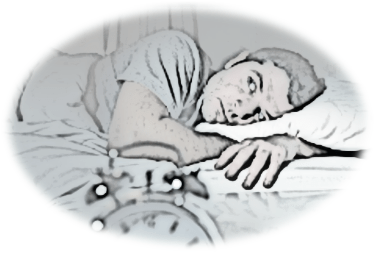
If you’re struggling with how to calm a keyed-up mind and body before hitting the sack, we’ve got you covered. We’ll teach you relaxation techniques that can take your physiology into a relaxed state conducive for sleep and use advanced technology to help determine which relaxation technique works the best for you.
Along with CBT-I, we have a variety of other evidence-based treatments for sleep to offer patients including numerous Transdiagnostic Sleep & Circadian Interventions (TranS-C) for anxiety as well as stress reducing techniques such as hypnosis and autogenics. We will help you develop ways to manage thinking patterns that promote wakefulness using mindfulness-based cognitive therapies.
All these treatments combined with seemingly simple things like fine-tuning the time you wake up, how long you spend in bed, irregular sleep schedules and the timing, type and amount of light you are exposed to can make a huge difference on whether you sleep like a baby or stare wide eyed at the ceiling.
How effective is it?
Chronic insomnia is defined as insomnia that occurs at least 3 nights per week and has lasted for at least 3 months.
The foundation of Mood Change Medicine’s sleep program is Cognitive Behavioral Therapy for Insomnia (CBT-I), which has been considered the most appropriate treatment for patients with primary insomnia since 1999. 1, 2, 3 That’s because it works, according to numerous studies.4, 5
“Almost all patients should receive” CBT-I, the American Academy of Sleep Medicine declared in its clinical practice guideline for chronic insomnia published in 2021.6
Research has shown CBT-I to be superior to sleeping pills for treating chronic insomnia.7, 8, 9, 10 And it doesn’t have all the potentially serious side effects of the sleep meds. But more to the point, CBT-I can cure insomnia. Drugs cannot. That’s why sleep and drug experts alike, give hands down recommendations for CBT-I over drugs.
An American Academy of Sleep Medicine (AASM) clinical guideline paper said CBT-I should be the standard of care, encouraging its use as the initial treatment for chronic insomnia.11 No such recommendations were given to sleep medications.
AASM’s Clinical Practice Guideline for the Pharmacologic Treatment of Chronic Insomnia concluded that the evidence for sleep medications is weak.12 And a consensus statement from the British Association for Psychopharmacology weighing the evidence for drugs and CBT-I treatments for chronic insomnia also recommended CBT-I interventions as first-line treatments. The British pharmacology experts, citing limited evidence for effectiveness and concerns over the toxicity of sleep medications, did not give a first-line endorsement to any pharmaceutical drugs.13
The use of sleeping pills such a prescription drugs like Ambien “is associated with an increased risk of mortality and shortened life expectancy,” according to a 2023 study. The risk escalates as the dose goes up, according to another study published in the British Medical Journal. 14 Another study, a scientific review called a meta-analysis, found that while one of every six people treated were harmed by such drugs, only one of every thirteen were helped. 15 “Sleep medications can be associated with serious adverse effects,” American College of Physicians former President, Wayne J. Riley, MD, MPH warned as early as 2016. 16
Since then, the American College of Physicians has recommended that all adult patients with chronic insomnia should receive Cognitive Behavioral Therapy for Insomnia (CBT-I) as initial treatment and not medication, according to an October 2024 American Medical Association (AMA) Journal of Ethics article. Regarding the benefits of CBT-I, the AMA article states: “Significant improvement occurs within weeks, and long-term skills are provided that yield ongoing benefits even years beyond the training. CBT-I has no side effects.”
“Before trying sleeping pills, chronic insomnia should be treated with cognitive behavioral therapy,” is the guidance that AMA is giving doctors. 17 This physician training article also cites a large-scale study in the United Kingdom showing a 3-fold increase the all-cause mortality associated with the use of sleeping pills over a 7.6 year period. 18
Addiction, next-day impairment and frequent awakenings during the night are just some of the potential adverse effects of these drugs. Upon stopping these drugs, people can get anxious, restless and worsened insomnia. Sleeping pills do not treat the causes of insomnia and offer no long-term effectiveness. It’s very common for people getting off sleeping pills to experience rebound insomnia. It can be even worse than the original insomnia or anxiety that led you to begin taking these pills in the first place.
Lifetime Benefits without the Risks
In contrast, Mood Change Medicine treats the causes and does not have these risks. While most people who conscientiously follow our program can expect insomnia to substantially improve if not completely resolve, in the middle phases of treatment you will likely have increased daytime sleepiness. That’s because you will be shortening your time in bed to reduce periods of fragmented sleep including prolonged wakefulness where you find yourself staring at the ceiling. This phase of the treatment typically only lasts a week or two.
Taking Action——The Path to Better Sleep

We know that the most effective way to heal insomnia is to practice new sleep-related behaviors between sessions. Behavior change is the foundation of evidence-based sleep therapies. This includes things like relaxation exercises, learning about sleep, modifying your sleep schedule, maintaining an on-line sleep diary and doing between-session experiments that help you learn how to deal with repetitive thoughts that keep you awake at night.
In order to vanquish insomnia, people need to do a number of new things both before you go to bed, when you’re in the bed and even during the day. For example, having a consistent wake-time is critical to getting the sleep you want at night. That’s why we work collaboratively with you to jointly create a weekly action plan that will achieve your sleep goals. Having a weekly action plan gives you the skills that enable you to enjoy a lifetime of better sleep as well as improved mental and physical health. And if you hit a rough patch in the future where your sleep is compromised, you’ll know what to do.
Fringe Benefits for Anxiety and Depression

The sleep program is based on CBT-I not only because of how effective it is in resolving insomnia, but also because of burgeoning research showing how beneficial it is for people with anxiety and depression. The CBT-I as a whole—as well as many of its specific components—have been found to ameliorate anxiety and depression. 19, 20, 21, 22 CBT-I and a number of its components have also been shown to be effective treatments for chronic pain. 23
CBT-I as a whole has been shown to reduce the severity of insomnia and depression, according to a 2023 analysis of seven studies spanning 3,597 in adults diagnosed with both. The researchers concluded that it was “effective in alleviating insomnia and depression and might be considered as a viable treatment option for depression.” 24
CBT-I was found to be effective at helping people with insomnia and clinically significant anxiety symptoms by another 2023 study analyzing data from two clinical trials spanning 2,172 people. 25
Mood Change Medicine’s sleep program also makes extensive use of light therapy which is effective not only for sleep problems, but also has been found to improve anxiety and depression.26, 27, 28, 29 And there’s increasing evidence that mindfulness-based interventions using the same principles as those used in our program are effective for both anxiety and depression.30
We also added other evidence-based treatments like Transdiagnostic Sleep & Circadian Interventions and biofeedback to not only boost the program’s effectiveness for sleep, but also to improve mood. Another component in our program is heart rate variability (HRV) biofeedback. HRV biofeedback reduced measures of depression as much as 78%, a 2016 review of research found.31 “HRV biofeedback training is associated with a large reduction in self-reported stress and anxiety,” a 2017 meta-analysis of 24 studies concluded.32
The Goal: to Help You become a Good Sleeper
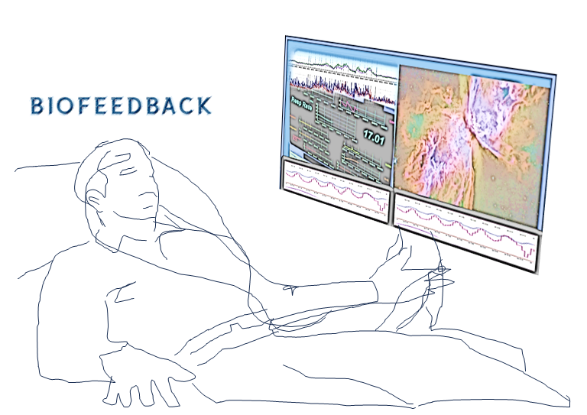
Mood Change Medicine uses all the components of traditional Cognitive Behavioral Therapy for Insomnia (CBT-I) plus Biofeedback-Assisted Relaxation Therapy (BART), a treatment modality used in sleep treatment programs of prestigious health care systems like the Cleveland Clinic’s CBT-I program, and the Mayo Clinic’s program “Insomnia treatment: Cognitive behavioral therapy instead of sleeping pills.”
The Mood Change Medicine program goes further than simply aiming to move you out of a diagnostic category—“insomnia.” Our goal is to help you become a good sleeper.
The Mood Change Medicine program adds TranS-C interventions designed to promote comprehensive improvements across six sleep health dimensions: sleep satisfaction—the quality of your sleep; daytime alertness—how you feel during the day; sleep timing—targeting the consistency and timing of your sleep within the 24-hour day; sleep efficiency— the relative amount of time spent in bed compared to that spent asleep; sleep duration—the total amount of sleep you get in a 24-hour period; and circadian sleep timing consistency—your ability to go to bed at regular times each night and wake up at regular times each day.
Treatment is Individualized, Collaborative and Holistic

Mood Change Medicine doesn’t use a cookie-cutter approach like most sleep programs. Patients move through the sleep program at their own pace. You are much more than your sleep problem and what you may need to become a good sleeper may not be the same as what another person may want or need.
Mood Change Medicine uses many different treatment modalities to target the different problems people have with sleep. Some people have trouble winding down at the end of the day. Others have problems waking up in the middle of the night and can’t get back to sleep. Some people wake up too early and others can’t fall asleep until the wee hours of the morning. For some people, worry and anxiety interferes with sleep. For others, nightmares cause trouble sleeping. Many people have to negotiate sleep in challenging circumstances such as noise, lighting and temperature issues or a partner who sleeps with the TV on in the bedroom. We have ways to address these problems.
Because everyone’s sleep problem is unique, patients move through the program at their own pace, taking whatever time is needed to get the results they want. Some people may see a lot of improvement in their sleep within 8 sessions. But to get maximum benefit, others may need 12 or more sessions. Whether it’s 8 or 12 sessions, you will get skills to maximize physical and mental health by increasing resilience to stress.
Because stress is a prime driver of sleep problems, Mood Change Medicine’s integrative sleep program takes a more comprehensive approach than typically found in most other CBT-I programs by encompassing a robust stress-resilience component.
The program is designed to help patients become good sleepers for the rest of their lives as well as to maximize resilience to stress by providing tools to help reduce the release of stress hormones and defuse stressed thinking patterns.
The base program is 12 sessions, which includes the stress-resilience component as well as a free biofeedback assessment to determine which relaxation techniques work best for you. For patients who grapple with anxiety that leaves them staring at the ceiling at night, the program offers an anxiety component of 3 additional sessions using evidence-based therapies for a total of 15 sessions.
We at Mood Change Medicine believe that spending the time to make our patients more stress resilient will further optimize sleep, physical health and mental well-being. That’s why we incentivize completing the base program by offering the option of additional free sessions including two biofeedback-assisted relaxation training sessions, one hypnosis for relaxation session, a sleep-environment assessment session, as well as a diet & exercise counseling session to optimize sleep health. Patients who complete the base program can get up to 17 sessions for the price of 11. Those who also complete the anxiety component also get the option of the additional free sessions for a total of up to 20 sessions for the price of 14.
But even if you need to leave the program before achieving all of your sleep goals, you will have gained resources to help you get good sleep for the rest of your life.
Mood Change Medicine offers integrative therapies for insomnia & stress and adjunctive therapies for anxiety & depression.
To find out more about Mood Change Medicine’s integrative approach to treating insomnia and how it helps people with both insomnia and anxiety or depression, click link below:
Learn more about nutritional supplements for depression by clicking links below:

Citations
- Chesson AL Jr, Anderson WM, Littner M, Davila D, Hartse K, Johnson S, et al. “Practice parameters for the nonpharmacologic treatment of chronic insomnia”. An American Academy of Sleep Medicine report. Standards of Practice Committee of the American Academy of Sleep Medicine.” Sleep. 1999 Dec 15. 22(8):1128-33. ↩︎
- Edinger JD, Means MK. “Cognitive-behavioral therapy for primary insomnia.” Clin Psychol Rev. 2005 Jul. 25(5):539-58. ↩︎
- Morgenthaler T, Kramer M, Alessi C, Friedman L, Boehlecke B, Brown T, et al. “Practice parameters for the psychological and behavioral treatment of insomnia: an update. An american academy of sleep medicine report.” [sic] Sleep. 2006 Nov 1. 29(11):1415-9. ↩︎
- Lin, Wenyao. Li, Na. Yang, Lili. Zhang, Yuqing. “The efficacy of digital cognitive behavioral therapy for insomnia and depression: a systematic review and meta-analysis of randomized controlled trials” PeerJ. 2023; 11: e16137. Published online 2023 Oct 31. doi: 10.7717/peerj.16137
PMID: 37927792 PMCID: PMC10624170 ↩︎ - van der Zweerde, Tanja, et al. “Cognitive behavioral therapy for insomnia: A meta-analysis of long-term effects in controlled studies.” Sleep Medicine Reviews, Volume 48, 2019, doi.org/10.1016/j.smrv.2019.08.002 . ↩︎
- Edinger, Jack D. et al. “Behavioral and psychological treatments for chronic insomnia disorder in adults: an American Academy of Sleep Medicine clinical practice guideline.” J Clin Sleep Med. 2021 Feb 1; 17(2): 255–262. Published online 2021 Feb 1. doi: 10.5664/jcsm.8986 doi: 10.5664/jcsm.8986 PMCID: PMC7853203 PMID: 33164742 ↩︎
- Morin CM, Hauri PJ, Espie CA, Spielman AJ, Buysse DJ, Bootzin RR. “Nonpharmacologic treatment of chronic insomnia. An American Academy of Sleep Medicine review.” Sleep. 1999 Dec 15. 22(8):1134-56. ↩︎
- Jacobs GD, Pace-Schott EF, Stickgold R, Otto MW. “Cognitive behavior therapy and pharmacotherapy for insomnia: a randomized controlled trial and direct comparison.” Arch Intern Med. 2004 Sep 27. 164(17):1888-96. ↩︎
- Irwin MR, Cole JC, Nicassio PM. “Comparative meta-analysis of behavioral interventions for insomnia and their efficacy in middle-aged adults and in older adults 55+ years of age.” Health Psychol. 2006 Jan. 25(1):3-14. ↩︎
- Sivertsen B, Omvik S, Pallesen S, Bjorvatn B, Havik OE, Kvale G, et al. “Cognitive behavioral therapy vs zopiclone for treatment of chronic primary insomnia in older adults: a randomized controlled trial.” JAMA. 2006 Jun 28. 295(24):2851-8. ↩︎
- Schutte-Rodin S, Broch L, Buysse D, Dorsey C, Sateia M. “Clinical guideline for the evaluation and management of chronic insomnia in adults.” J Clin Sleep Med. 2008;4(5):487–504. [PMC free article] [PubMed] [Google Scholar] ↩︎
- Sateia MJ, Buysse DJ, Krystal AD, Neubauer DN, Heald JL. Clinical Practice Guideline for the Pharmacologic Treatment of Chronic Insomnia in Adults: An American Academy of Sleep Medicine Clinical Practice Guideline. J Clin Sleep Med. 2017 Feb 15. 13 (2):307-349. PubMed 27998379 ↩︎
- Wilson SJ, Nutt DJ, Alford C, et al. “British Association for Psychopharmacology consensus statement on evidence-based treatment of insomnia, parasomnias and circadian rhythm disorders.” J Psychopharmacol. 2010;24(11):1577–1601. [PubMed] [Google Scholar] ↩︎
- Kripke DF, Langer RD, Kline LE, “Hypnotics’ association with mortality or cancer: a matched cohort study” BMJ Open. 2012;2:e000850. doi: 10.1136/bmjopen-2012-000850 ↩︎
- J Glass, KL Lanctot, N Herrmann, BA Sproule, and UE Busto. “Sedative hypnotics in older people with insomnia: meta-analysis of risks and benefits.” Database of Abstracts of Reviews of Effects (DARE): Quality-assessed Reviews. 2005. ↩︎
- “ACP Recommends Cognitive Behavioral Therapy as Initial Treatment forChronic Insomnia.” ACP Newsroom. May 3, 2016. Accessed July 2024. ↩︎
- Peters, Brandon MD, Sarver, Maxwell MD “When Should Pharmacological Interventions for Insomnia Be Recommended?”AMA Journal of Ethics. Published Online: October 1, 2024 ↩︎
- Weich S, Pearce HL, Croft P, et al. Effect of anxiolytic and hypnotic drug prescriptions on mortality hazards: retrospective cohort study. BMJ. 2014;348:g1996.Google Scholar Crossref ↩︎
- Alasdair L. Henry, Christopher B. Miller, Richard Emsley, Bryony Sheaves, Daniel Freeman, Annemarie I. Luik, Colin A. Espie. “Does treating insomnia with digital cognitive behavioural therapy (Sleepio) mediate improvements in anxiety for those with insomnia and comorbid anxiety? An analysis using individual participant data from two large randomised controlled trials.” Journal of Affective Disorders. 2023. Vol. 339; 58-63. sciencedirect. ↩︎
- Lin, Wenyao. Li, Na. Yang, Lili. Zhang, Yuqing. “The efficacy of digital cognitive behavioral therapy for insomnia and depression: a systematic review and meta-analysis of randomized controlled trials” PeerJ. 2023; 11: e16137. Published online 2023 Oct 31. doi: 10.7717/peerj.16137
PMID: 37927792 PMCID: PMC10624170. ↩︎ - Bhattacharya, Shalini. Hofmann, Stefan G. “Mindfulness-based interventions for anxiety and depression” Clinics in Integrated Care. Vol 16, February 2023, 100138 https://www.sciencedirect.com/science/article/abs/pii/S2666869623000015. ↩︎
- Blase K. L., van Dijke A., Cluitmans P. J., Vermetten E. Efficacy of HRV-biofeedback as additional treatment of depression and PTSD. Tijdschrift voor Psychiatrie. 2016;58(4):292–300. [PubMed] ↩︎
- Selvanathan J et al. “Cognitive behavioral therapy for insomnia in patients with chronic pain – A systematic review and meta-analysis of randomized controlled trials.” Sleep Med Rev. 2021 Dec;60:101460. doi: 10.1016/j.smrv.2021.101460. Epub 2021 Feb 2. PMID: 33610967. ↩︎
- (Ibid 4.) Lin, Wenyao. Li, Na. Yang, Lili. Zhang, Yuqing. “The efficacy of digital cognitive behavioral therapy for insomnia and depression: a systematic review and meta-analysis of randomized controlled trials” PeerJ. 2023; 11: e16137. Published online 2023 Oct 31. doi: 10.7717/peerj.16137
PMID: 37927792 PMCID: PMC10624170 ↩︎ - Alasdair L. Henry, Christopher B. Miller, Richard Emsley, Bryony Sheaves, Daniel Freeman, Annemarie I. Luik, Colin A. Espie. “Does treating insomnia with digital cognitive behavioural therapy (Sleepio) mediate improvements in anxiety for those with insomnia and comorbid anxiety? An analysis using individual participant data from two large randomised controlled trials.” Journal of Affective Disorders. 2023. Vol. 339; 58-63. sciencedirect. ↩︎
- Fisher, Patrick M. et al. “Three-Week Bright-Light Intervention Has Dose-Related Effects on Threat-Related Corticolimbic Reactivity and Functional Coupling” Epub 2013 Dec 19. Biol Psychiatry. 2014 Aug 15;76(4):332-9. ↩︎
- Al-Karawi D, Jubair L. “Bright light therapy for nonseasonal depression: Meta-analysis of clinical trials.” J Affect Disord. 2016;198:64-71. View abstract. ↩︎
- Golden, R. N., Gaynes, B. N., Ekstrom, R. D., Hamer, R. M., Jacobsen, F. M., Suppes, T., Wisner, K. L., and Nemeroff, C. B. “The efficacy of light therapy in the treatment of mood disorders: a review and meta-analysis of the evidence.” Am J Psychiatry 2005;162(4):656-662. View abstract. ↩︎
- Golden, R. N., Gaynes, B. N., Ekstrom, R. D., Hamer, R. M., Jacobsen, F. M., Suppes, T., Wisner, K. L., and Nemeroff, C. B. “The efficacy of light therapy in the treatment of mood disorders: a review and meta-analysis of the evidence.” Am J Psychiatry. 2005;162(4):656-662. View abstract. ↩︎
- Bhattacharya, Shalini. Hofmann, Stefan G. “Mindfulness-based interventions for anxiety and depression” Clinics in Integrated Care. Vol 16, February 2023, 100138 sciencedirect.com.S2666869623000015 ↩︎
- Blase K. L., van Dijke A., Cluitmans P. J., Vermetten E. Efficacy of HRV-biofeedback as additional treatment of depression and PTSD. Tijdschrift voor Psychiatrie. 2016;58(4):292–300. [PubMed] ↩︎
- Goessl, V. C. et al. “The effect of heart rate variability biofeedback training on stress and anxiety: a meta-analysis.” Psychol Med. 2017 Nov;47(15):2578-2586. doi: 10.1017/S0033291717001003. Epub 2017 May 8. Published online by Cambridge University Press: 08 May 2017 ↩︎
By using this website, you agree to accept MoodChangeMedicine.com website’s terms of use, which can be viewed here.
 Mood Change Medicine
Discussion
No comments yet.