-
How to De-Stress Your Way Out of Anxiety and Depression
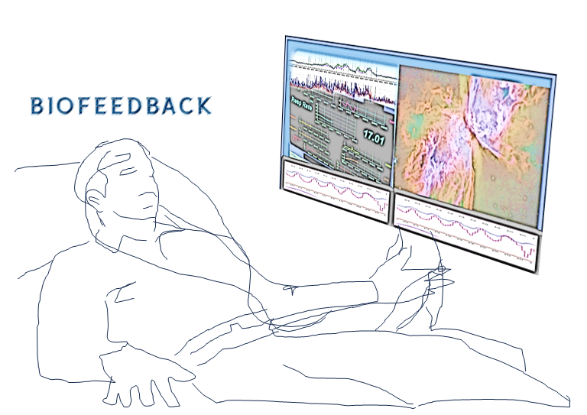
Biofeedback technology helps people shift out of the physiology of stress and anxiety into a calm state. It helps people slow speedy hearts, quiet anxious breathing and relax tense muscles. These new skills build a sense of empowerment and safety. It can avert anxiety before it can gain a foothold. Continue reading →
-

CBT First on List for Depression and Anxiety
The effectiveness of cognitive behavioral therapy for depression is nearly identical to that of pharmaceutical drugs. But when CBT and drugs are discontinued, the chances of depression returning are more than three times greater for people on drugs. For antidepressants, there’s a 54% chance of relapse. It’s 17% for CBT. Continue reading →
-

Talk Therapy Changes the Brain with Lasting Benefits
CBT was found to reduce the size of over-active amygdalas, in people with social anxiety. CBT was also found to reduce amygdala overactivation. The researchers postulated that reduction in both the size and overactivation of the amygdala resulted in decreased reactivity to anxiety-provoking situations, explaining how CBT reduces social anxiety. Continue reading →
-
Escaping the Vicious Cycle of Stress
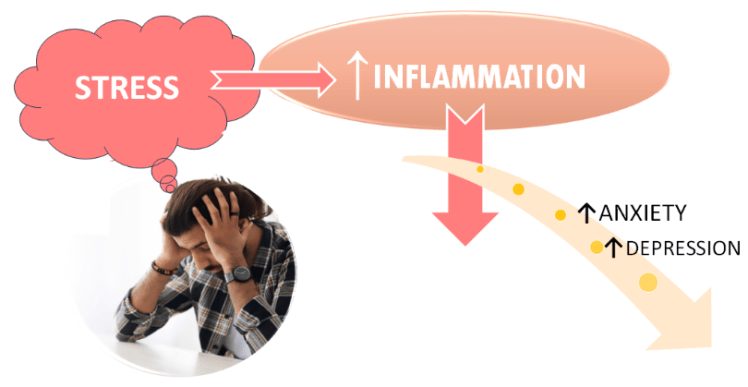
Chronic stress causes Inflammation and can be very damaging to mental and physical health. Stress does damage through repeated activation of the fight-or-flight mechanisms of the body. This causes a cascade of biochemical events leading to hyperactivation of inflammatory proteins linked to depression, anxiety and a host of other conditions. Continue reading →
-
Inflammation: Foe of Mental Health
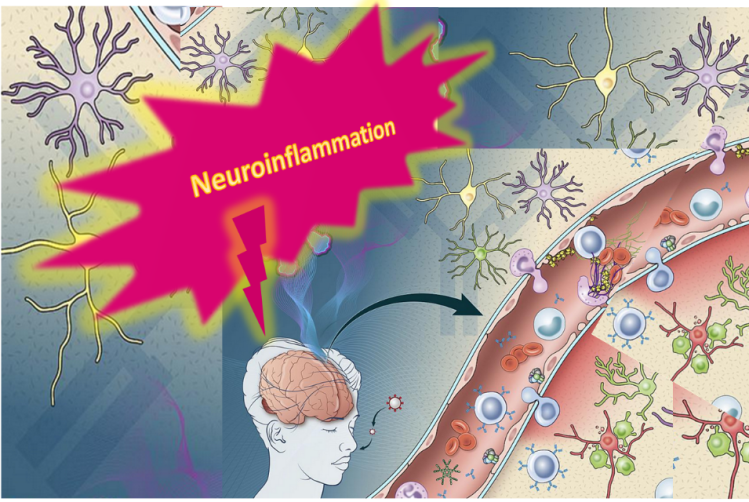
Depressed patients starting psychotherapy with higher levels of inflammation are less likely to be helped by it, a 2020 study showed. And for those who had somatic symptoms of depression—like appetite changes, fatigue, aches and pains and sleep disturbances—the worse the symptoms, the higher the levels of inflammation. Continue reading →
-
Subscribe
Subscribed
Already have a WordPress.com account? Log in now.
 Mood Change Medicine
Comments are closed.