-
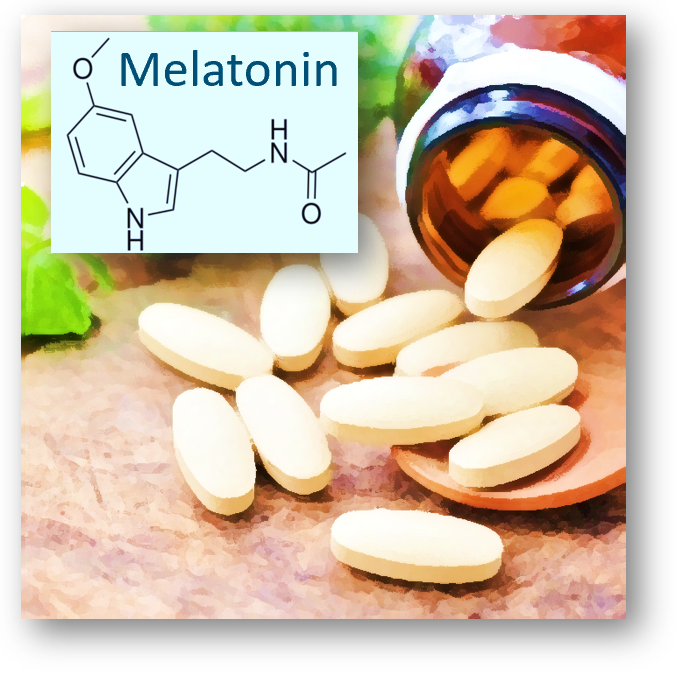
Short-term Melatonin Supplements Seem Safer than Pharmaceuticals
Unlike some of the pharmaceutical sleep meds, melatonin has no black-box warnings about serious side-effects such as sleep driving or an association with an increase in all-cause-mortality. And melatonin does not cause withdrawal symptoms like rebound insomnia, a common characteristic of the most frequently prescribed sleep drugs. Continue reading →
-
Who Benefits Most from Melatonin Supplements?
Melatonin supplementation can provide meaningful benefits for individuals with lowered natural melatonin levels such as night workers and the elderly. It is also beneficial for treating delayed sleep phase—shifting the sleep clock of night owls. Continue reading →
-
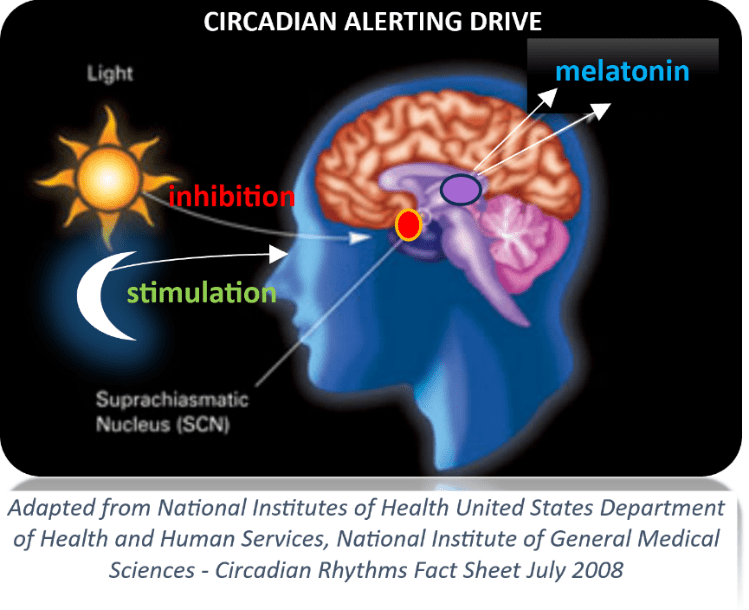
Natural Melatonin vs. Supplements: Which is Superior for Sleep?
Melatonin is a sleep-promoting hormone that is naturally produced and secreted by the pineal gland in the brain. The impact of naturally-occurring melatonin on our bodies is broad, profound, and not completely understood. Continue reading →
-
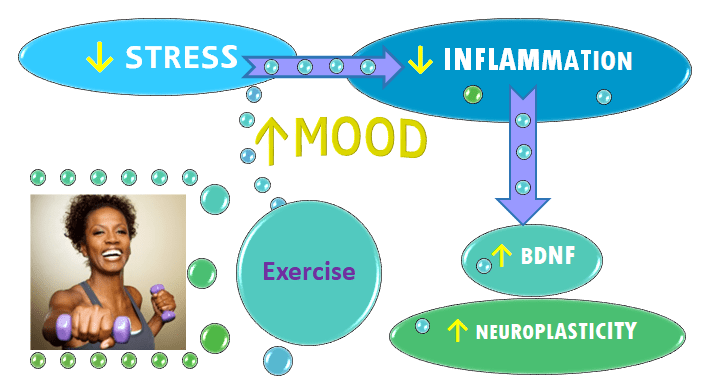
Exercise Better than Drugs for Lifting Mood
The most common antidepressant drugs got bottom-of-the barrel results in a landmark systematic review comparing the drugs’ effect on depression with that of the talk-therapy CBT and a range of exercise modalities, according to data published by the prestigious British Medical Journal in February 2024. Continue reading →
-
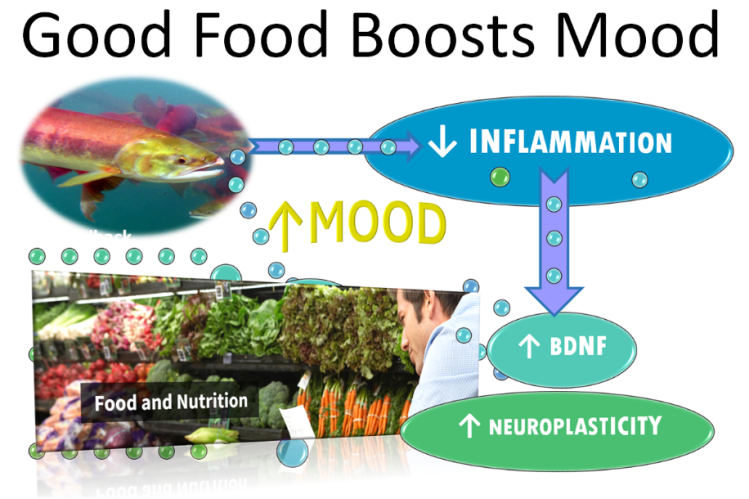
Foods that Stress and Depress—Foods that Promote Well-being
A 2017 randomized controlled trial of 67 depressed patients asked the question: “If I improve my diet, will my mental health improve?” Half of them received nutrition counseling, and for them the answer was yes. Not true for the other half, who got social support sessions instead of nutrition counseling. Continue reading →
-
Subscribe
Subscribed
Already have a WordPress.com account? Log in now.
 Mood Change Medicine
Comments are closed.