By using MoodChangeMedicine.com, you agree to accept this website’s terms of use, which can be viewed here.

April 26, 2024
By Joie Meissner ND, BCB-L
Mindfulness-based cognitive therapy involves focus on the present moment, cultivating curiosity, a non-judgmental attitude and openness to the full range of our experience. This form of psychotherapy emerged out of an amalgamation of cognitive behavioral therapy (CBT) with the highly successful techniques of mindfulness-based stress reduction (MBSR) originating at the University of Massachusetts Medical Center.
One of the key features of cognitive behavioral therapy (CBT) is the focus on challenging of negative, false self-beliefs that fuel anxious and depressed feelings. In contrast to challenging negative thinking, MBCT Is about changing how people respond to those thoughts such that the thoughts lose their power to cause psychological distress.
A key element of MBCT is to help people step away from self-judgment, allowing the experience of emotions as they happen—without trying to push away feelings or trying to hold on to certain feelings. By allowing feelings, it helps them fade.
MBCT directs people to focus on being in the present moment—not “living” in the future or in the past. This helps prevent people from getting stuck constantly chewing over past failures or excessive worry about the future.
Awareness of life as it arises does not necessarily mean acceptance of situations. It means acceptance of our own emotional responses to them. The goal is to be in the present and to accept our emotions, thoughts, bodily sensations without self-criticism or judgement.
Core Principles of Mindfulness-Based Cognitive Therapy include:
- Knowing what you’re experiencing while you’re experiencing it without trying to evaluate or change it.
- Observing –attending to your inner and outer experience
- Describing – labeling your experience with words
- Acting with awareness – choosing how you will act rather than doing actions on autopilot
- Non-judgmental stance – letting go of evaluation of yourself or your experience as good or bad, but just observing what is
- Non-reactivity – Allowing thoughts, feelings, and sensations to come and go without trying to change them
Like mindfulness-based stress reduction, mindfulness-based cognitive therapy is a potent technique for reducing stress.
The value of reducing stress is widely embraced. An analytic review of 39 studies including 1,140 people with a range of conditions including generalized anxiety disorder, depression, and other psychiatric or medical conditions found that mindfulness-based therapy, a widely-used stress-busting technique, was associated with significant improvement in anxiety disorders and depression. 1
Mindfulness-based cognitive therapy (MBCT) is particularly helpful in preventing relapse for patients whose depression has gone into remission after psychotherapy or discontinuation of pharmaceuticals. MBCT reduces the risk of relapsing into depression after finishing treatment by about 22% when compared to people receiving antidepressants, concluded a 2016 analysis of nine randomized controlled trials including 1258 patients. 2
Mindfulness-based cognitive therapy “was effective for treating GAD [generalized anxiety disorder],” concluded a 2020 systematic review and meta-analysis of six studies including 403 patients. 3
Mindfulness-based Cognitive Therapy helps people learn “that when they are anxious, their heart rate and respiration changes. By MBCT, participants focus their attention on their body and thus increase the awareness of the body, feelings, and thoughts associated with anxiety, which increases the sense of symptom controllability, leading to anxiety reduction,” the 2020 systematic review concluded. 4
But if mindfulness-based cognitive therapy reduces stress, how does reducing stress work to improve anxiety and depression?
Stress is a trigger of inflammation5 and mental disorders such as anxiety and depression. 6 Stress can be battles with your boss, being buried by bills or a pending a divorce.
Increased inflammation goes hand-in-hand with anxiety and depression. Increased levels of pro-inflammatory chemicals were found to accompany increased anxiety levels. 7 Inflammation of the nervous system affects almost a third of patients with major depression who have levels noticeably higher than the majority of nondepressed individuals. 8
Neuroinflammation is linked with more severe, chronic depression that can be difficult to heal with conventional treatments. 9
Inflammation has been implicated as an important part of the mechanism driving anxiety and depression. 10, 11, 12, 13 Hyperactivation of inflammatory proteins are linked to depression, anxiety and a host of other conditions. 14
Studies have shown an association between inflammation and how our brains process emotional information. 15
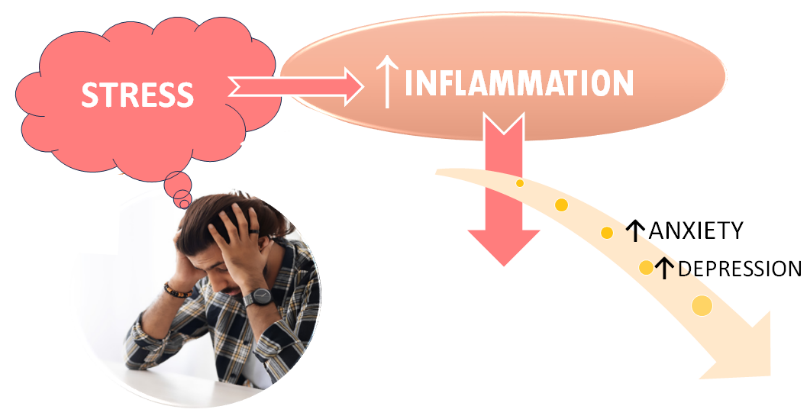
Chronic stress does damage through the repeated activation of the fight-or-flight mechanisms of the body called the HPA axis, or hypothalamic-pituitary-adrenal axis. This causes a cascade of biochemical events leading to hyperactivation of inflammatory proteins that are linked to depression, anxiety and a host of other conditions. 16
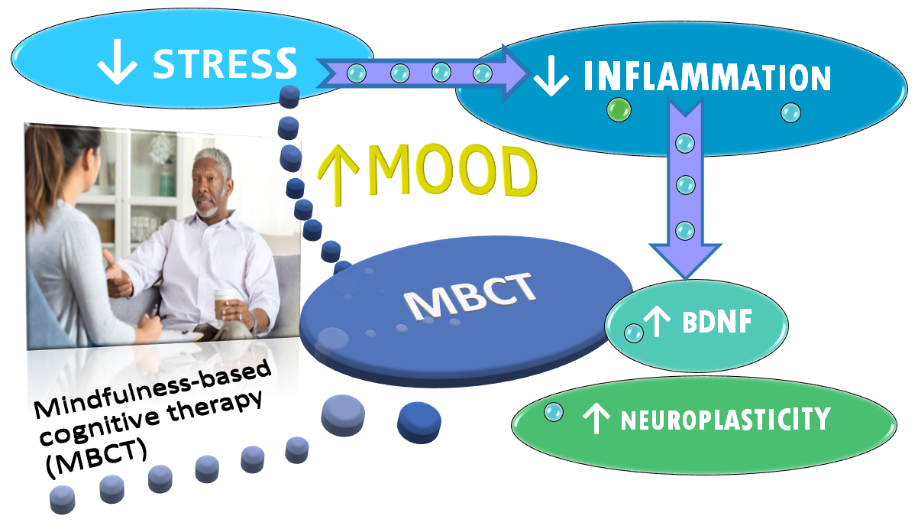
Another way that stress does its dirty work is by depressing levels of brain-derived neurotrophic factor (BDNF)—a biochemical force for good in our brains. A rise in BDNF levels stimulates the growth of new neuron cells. BDNF also stimulates nerves to make new connections with each other called synapses. The creation of new neurons and new connections between the neurons has been dubbed neuroplasticity and may play a key role in decreasing depression. BDNF-enhanced neuroplasticity has been found to rise after successful treatment of anxiety with talk therapy. 17
Inflammation significantly decreases the levels of BDNF. 18, 19 Changes in BDNF are implicated in the development of anxiety and depression via its effects on neuroplasticity of the brain. 20, 21 BDNF levels are reduced in people with major depressive disorder and increase after the depression remits. 22, 23

Scientists postulate that decreased production of BDNF contributes to depression by impairing regeneration of brain tissue. Increased production of BDNF plays a role in how the brain heals from depression by facilitating regeneration of these tissues. 24 Such regeneration is a crucial aspect of neuroplasticity, which is part of the amazing resilience of the brain.
Stress is a one-two punch to the brain. When stress sparks inflammation it has numerous ways to interfere with the brain’s regenerative capacity—its neuroplasticity. Inflammation leaks in between brain neurons throwing a monkey wrench into the brain’s neural circuitry and at the same time stress significantly decreases BDNF, which could help restore the damage done to neuroplasticity. 25, 26, 27

Mindfulness-based cognitive therapy—a stress-busting therapy—might act directly on the brain to help improve mood and reduce anxiety by boosting brain-derived neurotrophic factor (BDNF)—the brain substance linked to better mental health which helps restore inflammatory damage and enhance neuroplasticity.
Mindfulness-Based Cognitive Therapy Increases Levels of BDNF
Mindfulness-based interventions can significantly boost BDNF levels, according to a 2020 analysis of eleven randomized controlled trials including 479 patients with various conditions including depression. Mindfulness-based cognitive therapy increased the levels of BDNF, the study found. 28
A study using 8 weeks of mindfulness-based cognitive therapy (MBCT) that integrated the elements of mindfulness-based stress reduction into cognitive-behavioral therapy (CBT) found that MBCT decreased “anxiety and depression, improved mindfulness and resilience and increased the similarity of gut microbiota to that of healthy controls.” 29 The gut microbiota are the bacteria that live in our GI tract which play a key role in both mental and physical health.
Before getting MBCT treatment, study subjects with high levels of anxiety had markedly decreased diversity of bacterial species making up the gut microbiota compared to healthy control subjects. After MBCT, the anxiety got better and so did gut microbiota diversity with the anxious subjects’ gut bugs more closely resembled that of healthy controls, the study found. 30
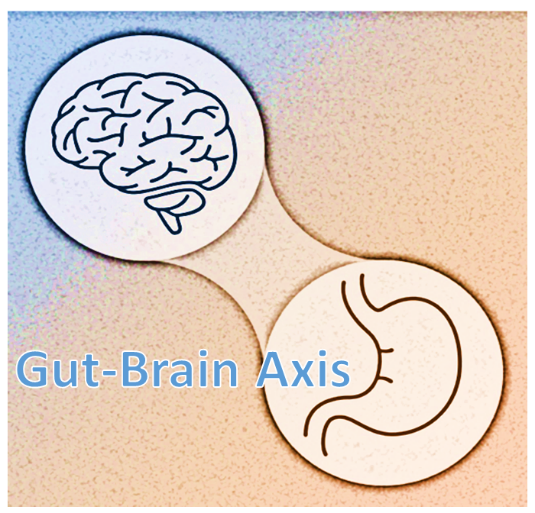
The researchers concluded that the significantly increased diversity of the microbiota following treatment with MBCT added to the evidence for how psychotherapy improves mental health through gut-brain biochemical communication. 31
The results of this study suggest the promise of focusing on microbiota health to promote the effectiveness of talk therapy treatments like MBCT for mental health. And it does this without all the side-effects of the pharmaceuticals.
Evidence suggests that our gut microbiota has an enormous influence over our mental/emotional state. 32, 33
Probiotics, antibiotics and diet can have a profound impact on the health of our microbiota.
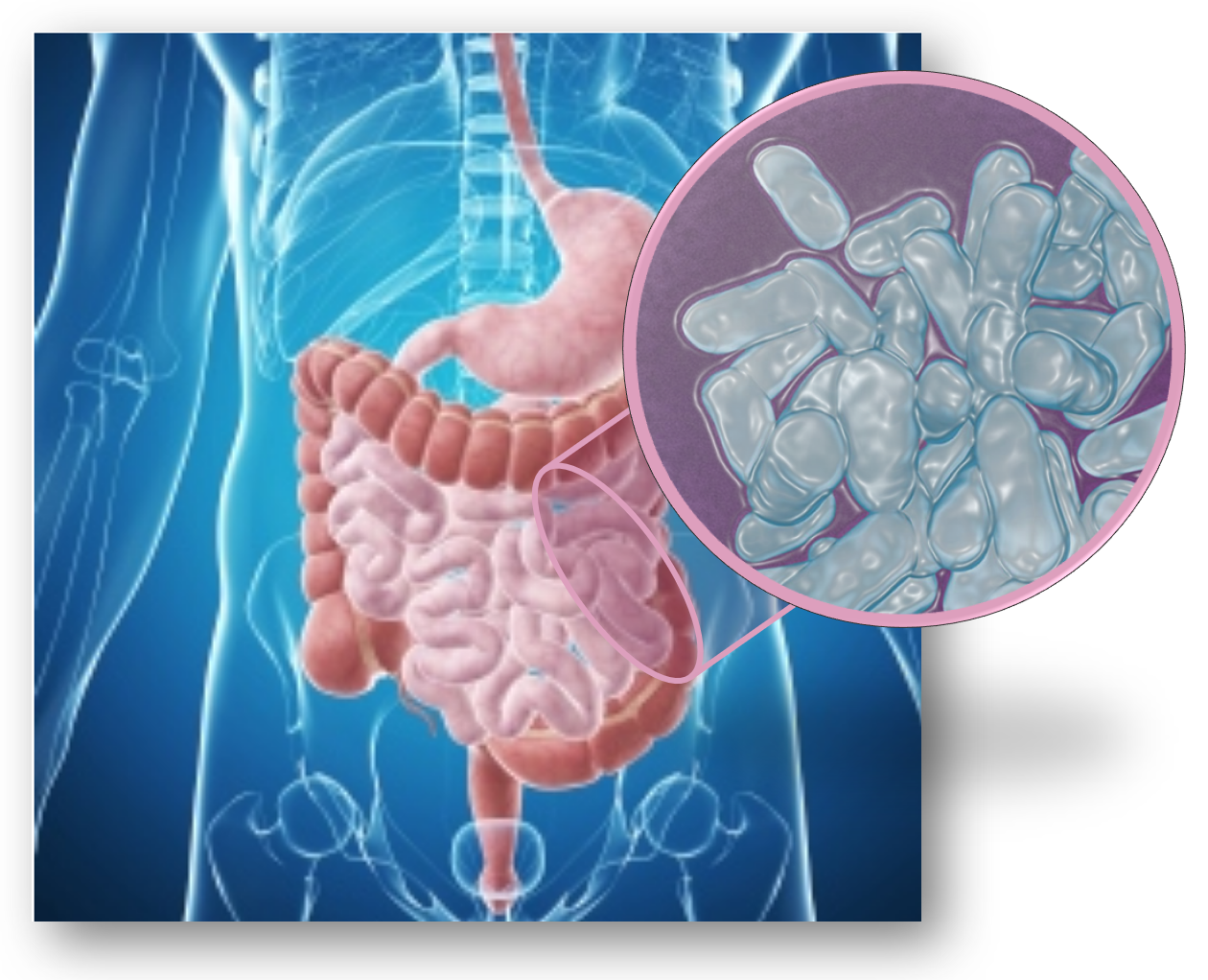
Changes in the balance of microbiota appear to affect a wide range of factors known to play a role in depression and anxiety. The microbiota regulates the release of the mood-hormone serotonin and changes levels of systemic inflammation and BDNF. It also impacts the function of the hypothalamic-pituitary-adrenal (HPA) axis—the fight-or-flight machinery the body uses to respond to stress. 34, 35
Read more on how our guts bugs can help or harm our mental health by clicking link below:
Care informed by the understanding that emotional and physical wellbeing are deeply connected
________________________________________________________________________________________________________________
By using MoodChangeMedicine.com, you agree to accept this website’s terms of use, which can be viewed here.
Citations
- Hofmann SG, Sawyer AT, Witt AA, Oh D. “The effect of mindfulness-based therapy on anxiety and depression: A meta-analytic review.” J Consult Clin Psychol. 2010 Apr;78(2):169-83. doi: 10.1037/a0018555. PMID: 20350028; PMCID: PMC2848393. ↩︎
- Kuyken W, Warren FC, Taylor RS, et al. “Efficacy of mindfulness-based cognitive therapy in prevention of depressive relapse: An individual patient data meta-analysis from randomized trials.” JAMA Psychiatry. 2016;73(6):565-74. View abstract. ↩︎
- Ghahari S, Mohammadi-Hasel K, Malakouti SK, Roshanpajouh M. “Mindfulness-based Cognitive Therapy for Generalised Anxiety Disorder: a Systematic Review and Meta-analysis.” East Asian Arch Psychiatry. 2020 Jun;30(2):52-56. doi: 10.12809/eaap1885. PMID: 32611828. ↩︎
- Ghahari S, Mohammadi-Hasel K, Malakouti SK, Roshanpajouh M. “Mindfulness-based Cognitive Therapy for Generalised Anxiety Disorder: a Systematic Review and Meta-analysis.” East Asian Arch Psychiatry. 2020 Jun;30(2):52-56. doi: 10.12809/eaap1885. PMID: 32611828. easap.asia/868-2006-v30n2-p52 ↩︎
- Hassamal, Sameer. “Chronic stress, neuroinflammation, and depression: an overview of pathophysiological mechanisms and emerging anti-inflammatories.” Front. Psychiatry. 10 May 2023. Sec. Molecular Psychiatry Volume 14 – 2023. frontiersin.psychiatry/10.3389. ↩︎
- Miao Z, Wang Y, Sun Z. “The Relationships Between Stress, Mental Disorders, and Epigenetic Regulation of BDNF.” Int J Mol Sci. 2020 Feb 18;21(4):1375. doi: 10.3390/ijms21041375. PMID: 32085670; PMCID: PMC7073021. ↩︎
- Pitsavos C, Panagiotakos DB, Papageorgiou C, Tsetsekou E, Soldatos C, Stefanadis C. “Anxiety in relation to inflammation and coagulation markers, among healthy adults: the ATTICA study.” Atherosclerosis. 2006 Apr;185(2):320-6. doi: 10.1016/j.atherosclerosis.2005.06.001. Epub 2005 Jul 11. PMID: 16005881 ↩︎
- Raison CL, Miller AH. “Is depression an inflammatory disorder?” Current Psychiatry Reports. 2011;13:467–475. [PMC free article] [PubMed] [Google Scholar] ↩︎
- Hassamal, Sameer. “Chronic stress, neuroinflammation, and depression: an overview of pathophysiological mechanisms and emerging anti-inflammatories.” Front. Psychiatry. 10 May 2023. Sec. Molecular Psychiatry Volume 14 – 2023. frontiersin.psychiatry/10.3389. ↩︎
- Cowen PJ, Browning M. “What has serotonin to do with depression?” World Psychiatry. 2015 Jun;14(2):158-60. doi: 10.1002/wps.20229. PMID: 26043325; PMCID: PMC4471964. ↩︎
- Berk M, Williams LJ, Jacka FN, O’Neil A, et al. “So depression is an inflammatory disease, but where does the inflammation come from?” BMC Med. 2013 Sep 12;11:200. doi: 10.1186/1741-7015-11-200. PMID: 24228900; PMCID: PMC3846682. ↩︎
- Pitsavos C, Panagiotakos DB, Papageorgiou C, Tsetsekou E, Soldatos C, Stefanadis C. “Anxiety in relation to inflammation and coagulation markers, among healthy adults: the ATTICA study.” Atherosclerosis. 2006 Apr;185(2):320-6. doi: 10.1016/j.atherosclerosis.2005.06.001. Epub 2005 Jul 11. PMID: 16005881 ↩︎
- Hu P, Lu Y, Pan BX, Zhang WH. “New Insights into the Pivotal Role of the Amygdala in Inflammation-Related Depression and Anxiety Disorder.” Int J Mol Sci. 2022 Sep 21;23(19):11076. doi: 10.3390/ijms231911076. PMID: 36232376; PMCID: PMC9570160. ↩︎
- Hassamal, Sameer. “Chronic stress, neuroinflammation, and depression: an overview of pathophysiological mechanisms and emerging anti-inflammatories.” Front. Psychiatry. 10 May 2023. Sec. Molecular Psychiatry Volume 14 – 2023. frontiersin.psychiatry/10.3389. ↩︎
- Maydych V. “The Interplay Between Stress, Inflammation, and Emotional Attention: Relevance for Depression.” Front Neurosci. 2019 Apr 24;13:384. doi: 10.3389/fnins.2019.00384. PMID: 31068783; PMCID: PMC6491771. ↩︎
- Hassamal, Sameer. “Chronic stress, neuroinflammation, and depression: an overview of pathophysiological mechanisms and emerging anti-inflammatories.” Front. Psychiatry. 10 May 2023. Sec. Molecular Psychiatry Volume 14 – 2023. frontiersin.psychiatry/10.3389. ↩︎
- Månsson KN, Salami A, Frick A, Carlbring P, Andersson G, Furmark T, Boraxbekk CJ. “Neuroplasticity in response to cognitive behavior therapy for social anxiety disorder.” Transl Psychiatry. 2016 Feb 2;6(2):e727. doi: 10.1038/tp.2015.218. PMID: 26836415; PMCID: PMC4872422 ↩︎
- Hassamal, Sameer. “Chronic stress, neuroinflammation, and depression: an overview of pathophysiological mechanisms and emerging anti-inflammatories.” Front. Psychiatry. 10 May 2023. Sec. Molecular Psychiatry Volume 14 – 2023. frontiersin.psychiatry/10.3389. ↩︎
- Miao Z, Wang Y, Sun Z. “The Relationships Between Stress, Mental Disorders, and Epigenetic Regulation of BDNF.” Int J Mol Sci. 2020 Feb 18;21(4):1375. doi: 10.3390/ijms21041375. PMID: 32085670; PMCID: PMC7073021. ↩︎
- Kurita M, Nishino S, Kato M, Numata Y, Sato T. “Plasma brain-derived neurotrophic factor levels predict the clinical outcome of depression treatment in a naturalistic study.” PLoS One. 2012;7(6):e39212. doi: 10.1371/journal.pone.0039212. Epub 2012 Jun 27. PMID: 22761741; PMCID: PMC3384668 ↩︎
- Miao Z, Wang Y, Sun Z. “The Relationships Between Stress, Mental Disorders, and Epigenetic Regulation of BDNF.” Int J Mol Sci. 2020 Feb 18;21(4):1375. doi: 10.3390/ijms21041375. PMID: 32085670; PMCID: PMC7073021. ↩︎
- Meng F., Liu J., Dai J., Wu M., Wang W., Liu C., et al.. (2020). “Brain-derived neurotrophic factor in 5-HT neurons regulates susceptibility to depression-related behaviors induced by subchronic unpredictable stress.” J. Psychiatr. Res. 126, 55–66. 10.1016/j.jpsychires.2020.05.003 [PubMed] [CrossRef] [Google Scholar] ↩︎
- Zelada MI, Garrido V, Liberona A, Jones N, Zúñiga K, Silva H, Nieto RR. “Brain-Derived Neurotrophic Factor (BDNF) as a Predictor of Treatment Response in Major Depressive Disorder (MDD): A Systematic Review.” Int J Mol Sci. 2023 Sep 30;24(19):14810. doi: 10.3390/ijms241914810. PMID: 37834258; PMCID: PMC10572866. ↩︎
- Duman RS, Monteggia LM. “A neurotrophic model for stress-related mood disorders.” Biol Psychiatry. 2006 Jun 15;59(12):1116-27. doi: 10.1016/j.biopsych.2006.02.013. Epub 2006 Apr 21. PMID: 16631126. ↩︎
- Miao Z, Wang Y, Sun Z. “The Relationships Between Stress, Mental Disorders, and Epigenetic Regulation of BDNF.” Int J Mol Sci. 2020 Feb 18;21(4):1375. doi: 10.3390/ijms21041375. PMID: 32085670; PMCID: PMC7073021. ↩︎
- Kurita M, Nishino S, Kato M, Numata Y, Sato T. “Plasma brain-derived neurotrophic factor levels predict the clinical outcome of depression treatment in a naturalistic study.” PLoS One. 2012;7(6):e39212. doi: 10.1371/journal.pone.0039212. Epub 2012 Jun 27. PMID: 22761741; PMCID: PMC3384668 ↩︎
- Hassamal, Sameer. “Chronic stress, neuroinflammation, and depression: an overview of pathophysiological mechanisms and emerging anti-inflammatories.” Front. Psychiatry. 10 May 2023. Sec. Molecular Psychiatry Volume 14 – 2023. frontiersin.psychiatry/10.3389. ↩︎
- Gomutbutra P, Yingchankul N, Chattipakorn N, Chattipakorn S, Srisurapanont M. “The Effect of Mindfulness-Based Intervention on Brain-Derived Neurotrophic Factor (BDNF): A Systematic Review and Meta-Analysis of Controlled Trials.” Front Psychol. 2020 Sep 15;11:2209. doi: 10.3389/fpsyg.2020.02209. PMID: 33041891; PMCID: PMC7522212. ↩︎
- Wang Z, Liu S, Xu X, Xiao Y, Yang M, Zhao X, Jin C, Hu F, Yang S, Tang B, Song C, Wang T. “Gut Microbiota Associated With Effectiveness And Responsiveness to Mindfulness-Based Cognitive Therapy in Improving Trait Anxiety.” Front Cell Infect Microbiol. 2022 Feb 24;12:719829. doi: 10.3389/fcimb.2022.719829. PMID: 35281444; PMCID: PMC8908961. ↩︎
- Wang Z, Liu S, Xu X, Xiao Y, Yang M, Zhao X, Jin C, Hu F, Yang S, Tang B, Song C, Wang T. “Gut Microbiota Associated With Effectiveness And Responsiveness to Mindfulness-Based Cognitive Therapy in Improving Trait Anxiety.” Front Cell Infect Microbiol. 2022 Feb 24;12:719829. doi: 10.3389/fcimb.2022.719829. PMID: 35281444; PMCID: PMC8908961. ↩︎
- Wang Z, Liu S, Xu X, Xiao Y, Yang M, Zhao X, Jin C, Hu F, Yang S, Tang B, Song C, Wang T. “Gut Microbiota Associated With Effectiveness And Responsiveness to Mindfulness-Based Cognitive Therapy in Improving Trait Anxiety.” Front Cell Infect Microbiol. 2022 Feb 24;12:719829. doi: 10.3389/fcimb.2022.719829. PMID: 35281444; PMCID: PMC8908961. ↩︎
- Carabotti M, Scirocco A, Maselli MA, Severi C. “The gut-brain axis: Interactions between enteric microbiota, central and enteric nervous systems.” Ann Gastroenterol. 2015;28(2):203-209. [PMC free article] [PubMed] [Google Scholar] ↩︎
- Mayer EA, Savidge T, Shulman RJ. “Brain-gut microbiota interactions and functional bowel disorders.” Gastroenterol. 2014;146:1500-1512. [PMC free article] [PubMed] [Google Scholar] ↩︎
- Du Y., Gao X.R., Peng L., Ge J.F. “Crosstalk between the Microbiota-Gut-Brain Axis and Depression.” Heliyon. 2020;6:e04097. doi: 10.1016/j.heliyon.2020.e04097. [PMC free article] [PubMed] [CrossRef] [Google Scholar] quoted in PMC10146621/#B81-pharmaceuticals-16-00565 ↩︎
- Ran L, Wu Y, Liang M, Zeng J, Ke F, Wang F, Yang J, Lao X, Liu L, Wang Q, Gao X. “Oral Administration of 5-Hydroxytryptophan Restores Gut Microbiota Dysbiosis in a Mouse Model of Depression.” Front Microbiol. 2022 Apr 28;13:864571. doi: 10.3389/fmicb.2022.864571. PMID: 35572711; PMCID: PMC9096562. ↩︎

 Mood Change Medicine
Discussion
No comments yet.